- What is Copywriting?
- What is Content Writing?
- Key Differences Between Copywriting and Content Writing
- When to Use Copywriting vs Content Writing?
- What is Content Copywriting?
- Creating WordPress-Specific Landing Pages: The Intersection of Copywriting and Content Writing
- Skills Needed for Copywriting and Content Writing
- Common Misconceptions about Copywriting and Content Writing
- How to Choose the Right Writer for Your Needs
- Final Words
- FAQs
For the digital marketing landscape, written content is the backbone of effective communication. Whether you are engaging audiences on social media, educating potential customers through blogs, or crafting compelling landing pages, written content drives your message.
However, many marketers and business owners often find themselves confused about copywriting vs content writing. While these two writing types may seem interchangeable, they serve distinct purposes and are crucial for achieving different goals. Understanding what is content writing and what is copywriting will help you choose the right approach for your marketing strategy and ensure your content aligns with your business objectives.
In this blog, we will explore the role of written content in digital marketing, acknowledge the confusion between copywriting vs content writing, and highlight the importance of choosing the right type.
What is Copywriting?
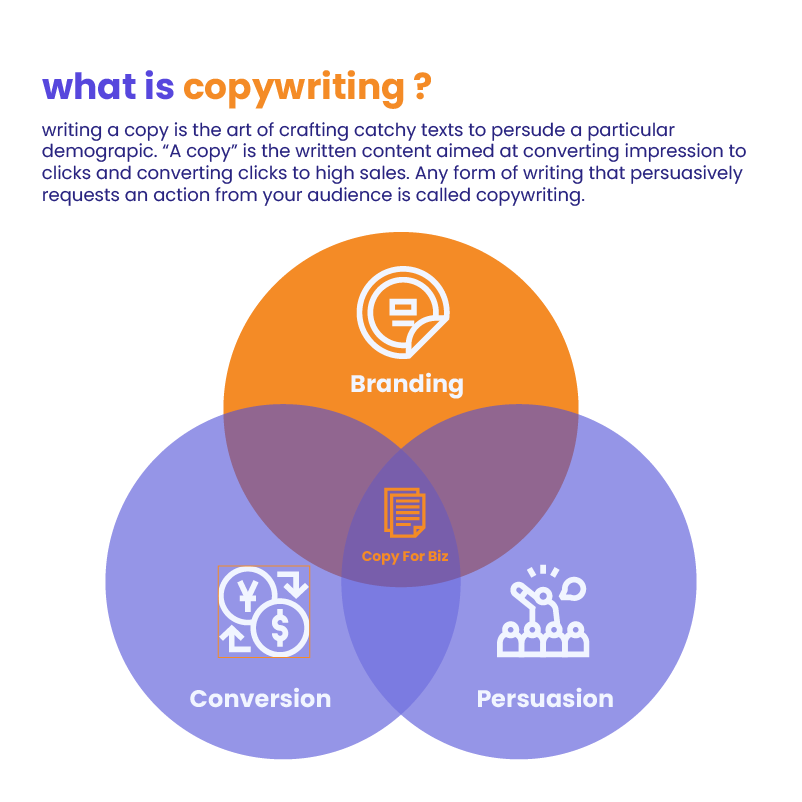
Copywriting is a form of writing that focuses on persuasion. The goal of content copywriting is to encourage readers to take immediate action, such as making a purchase, signing up for a newsletter, or clicking on a call-to-action (CTA) button. Unlike longer-form content, copywriting is typically short, concise, and laser-focused on driving a specific result.
Main Characteristics
- Short and action-driven: Every word in copywriting is carefully chosen to prompt a reaction.
- Concise and clear: There’s no room for fluff – only the essentials are included.
- Persuasive tone: Copywriting uses emotional triggers, clear benefits, and powerful CTAs.
Common Formats of Copywriting
- Ads: Think of the headlines you see in Google Ads or Facebook Ads, urging you to click.
- Landing pages: Copywriting for landing pages highlights the benefits of a product or service, encouraging visitors to act quickly.
- CTAs: Phrases like “Buy Now”, “Get Started”, or “Sign Up Today” are prime examples.
- Product descriptions: These are often concise blurbs that emphasize why a product is worth buying.
- Email campaigns: Whether it’s a promotional or a sales email, the copy is designed to generate clicks and conversions.
Examples of Copywriting
Ad Copy: “Save 50% on your first purchase! Offer ends soon – shop now!”
CTA: “Subscribe today and get your free e-book!”
When comparing a content writer vs copywriter, copywriters focus on driving immediate action, while content writers typically aim to educate or inform. Both approaches can include SEO content writing, but the intent behind the content differs significantly.

What is Content Writing?
Content writing focuses on delivering valuable information to engage, educate, or inform readers. Unlike copywriting, which is aimed at driving immediate action, content writing is about building relationships and trust with your audience over time. It’s a long-term content strategy used to position a brand as an authority, generate organic traffic, and foster customer loyalty.
Main Characteristics
- Informational and value-driven: Content writing provides insights, answers questions, and offers value to the reader.
- Long-form and detailed: It often covers topics in-depth, providing comprehensive information.
- Engagement-focused: The goal is to keep readers interested, encouraging them to explore more content or interact with the brand.
Common Formats of Content Writing
- Blog posts: Detailed articles that provide solutions to problems or insights into specific topics.
- Articles: Long-form content published on websites or platforms, typically designed to educate or inform.
- Newsletters: Regular emails that share valuable updates, tips, or insights with subscribers.
- Whitepapers: In-depth reports or guides on complex topics, offering authoritative perspectives.
- Social media posts: Informative or engaging content shared on social media platforms to build a connection with followers.
Examples of Content Writing
Educational blog post: “10 Tips for Improving Your SEO Strategy.”
Informative article: “A Comprehensive Guide to WordPress Security for Small Business Owners.”
In the debate between copywriting vs content writing, the key distinction lies in the purpose: copywriting is geared toward immediate action, while content writing nurtures relationships by offering value and fostering engagement. Knowing what is content writing versus what is copywriting is crucial when planning your marketing strategy, as both play essential roles in achieving different objectives.

Key Differences Between Copywriting and Content Writing
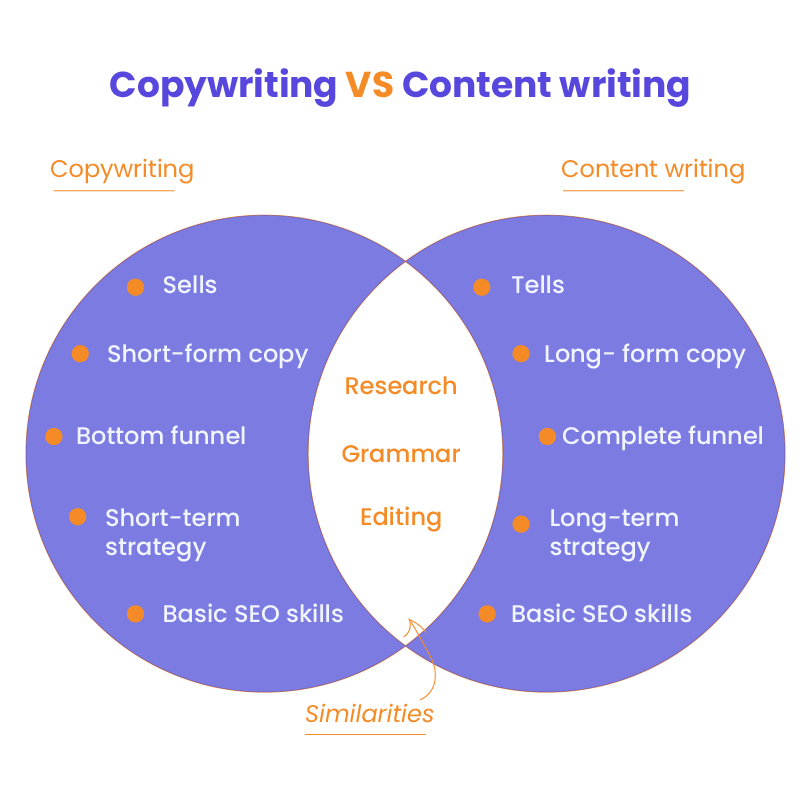
When comparing copywriting vs content writing, the key distinctions lie in their objectives, tone, style, and length. Both are essential for a successful marketing strategy but serve different purposes.
- Objective
The primary goal of copywriting is to sell a product, service, or idea and drive the reader to take immediate action, such as making a purchase, signing up for a service, or clicking on a link. In contrast, content writing is more about providing valuable information that educates or informs the audience. It aims to build trust and engagement over time rather than prompt an immediate response.
- Tone and Style
Copywriting is often direct, persuasive, and urgent. It uses a strong call-to-action to push the reader toward making a decision. On the other hand, content writing tends to adopt a more relaxed, educational, and informative tone. It focuses on providing detailed information that encourages the reader to explore more, without pressure to act right away.
- Length
Copywriting is typically shorter and to the point, as seen in ads, product descriptions, or CTAs, where brevity is key. Content writing, however, is often longer and more detailed, such as blog posts, articles, or whitepapers, where there is room to explore topics thoroughly and provide deep insights.
- SEO considerations
Both copywriting and content writing play a vital role in SEO, but in different ways. Copywriting is optimized for conversion, using keywords strategically to drive immediate actions like clicks or purchases. Meanwhile, content writing is essential for long-term SEO success, as it helps with ranking by providing valuable, keyword-rich content that search engines recognize as authoritative.
When to Use Copywriting vs Content Writing?
Understanding when to use copywriting vs content writing is crucial for executing an effective marketing strategy. Each type serves distinct purposes, and knowing which one to use can help you achieve the desired outcome.
Copywriting Use Cases
Copywriting is ideal when the objective is to drive immediate action. Its direct and persuasive nature makes it perfect for situations where you want the reader to take a specific step quickly.
- Product pages: Highlight features and benefits in a way that pushes users toward making a purchase.
- Ads: Concise and compelling messages that grab attention and encourage clicks or conversions.
- Email newsletters: Short, targeted emails with strong CTAs aimed at getting readers to act, such as clicking a link or making a purchase.
Content Writing Use Cases
Content writing is best suited for fostering long-term engagement and building relationships with your audience. It is particularly effective when the goal is to provide valuable information, establish authority, or educate readers.
- Blogs: Educational or informative articles that provide in-depth insights and solutions to your audience’s problems.
- eBooks: Long-term content that offers valuable knowledge or industry insights, helping to build trust with potential customers.
- Social media content: Engaging posts that keep your followers informed and connected with your brand over time.
Combining Both
For a comprehensive marketing strategy, businesses should leverage both content writing and copywriting. For instance, a well-written blog post can educate the audience, followed by a compelling CTA at the end to guide them toward the next step, like signing up for a newsletter or purchasing a product. Using a mix of both writing types allows businesses to capture immediate actions while also nurturing long-term relationships.

What is Content Copywriting?
Content copywriting is a hybrid approach that blends the persuasive elements of copywriting with the informative nature of content writing. It is designed to both engage readers and drive conversions, making it a versatile tool in digital marketing. By combining the value-driven approach of content writing with the action-oriented focus of copywriting, content copywriting ensures that your audience is both informed and motivated to take action.
Examples of Content Copywriting
- How-to guides: Step-by-step guides that provide valuable information while subtly leading readers toward purchasing a product or service.
- Case studies: Detailed examples of how a product or service solved a problem, paired with a strong CTA at the end, encouraging readers to explore offerings further.
Benefits of Content Copywriting
The hybrid nature of content copywriting allows businesses to achieve two key goals: engagement and conversions. It builds trust by delivering valuable insights and educational content, while also incorporating persuasive elements that encourage immediate action. This approach is ideal for businesses that want to foster long-term relationships with their audience while also driving tangible results.
By knowing what content writing and copywriting are, businesses can see the value of blending both techniques to create content that not only educates but also converts. When comparing copywriting vs content writing, content copywriting emerges as a powerful tool for achieving both engagement and sales.
Creating WordPress-Specific Landing Pages: The Intersection of Copywriting and Content Writing
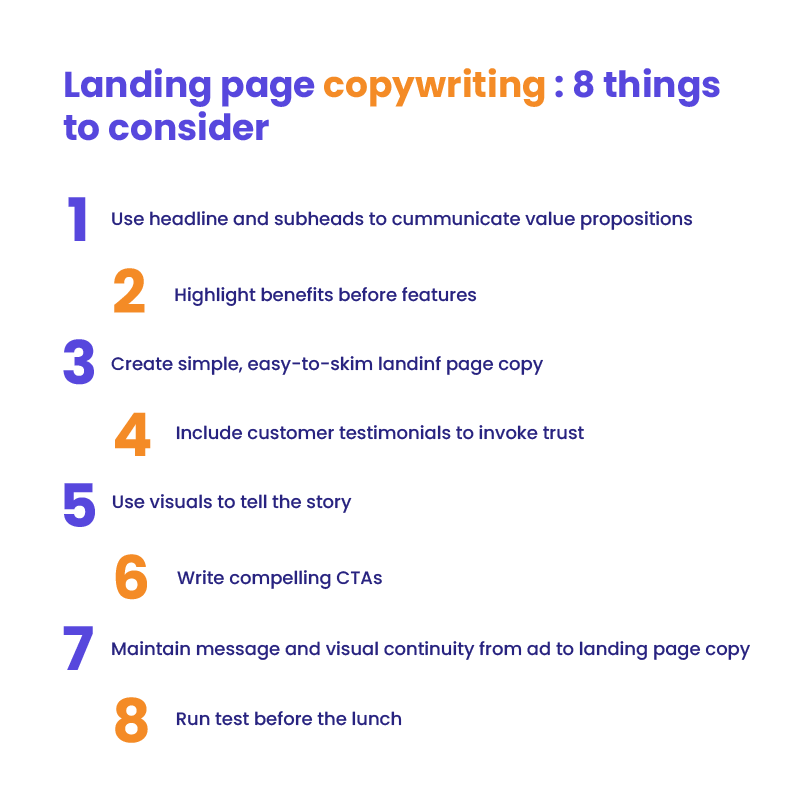
Landing pages are often the most critical aspect of WordPress sites, especially for agencies, eCommerce, and SaaS companies. Combining copywriting and content writing effectively for WordPress landing pages can lead to better user experience and higher conversion rates.
Copywriting for High-Converting WordPress Landing Pages
- Action-Oriented Copy: Copywriters can use action verbs and persuasive language to guide users toward conversion, whether that’s filling out a form, purchasing a product, or signing up for a newsletter.
- Mobile-First Copywriting: Discuss the importance of mobile optimization, especially with mobile-responsive WordPress themes like GeneratePress or OceanWP. Copy should be short, scannable, and impactful on mobile screens.
- Utilizing Page Builders: Copywriters can work directly within Elementor or WPBakery Page Builder to ensure that every CTA and headline is visually optimized for conversions.
Content Writing for Engaging Landing Page Content
- Long-Form Content for Landing Pages: Content writers can develop long-form content for landing pages that require more detailed explanations, such as product tutorials, service breakdowns, or FAQ sections. This can help to improve trust and increase time-on-page.
- Using Lead Magnets: Content writers should create valuable lead magnets (eBooks, guides, templates) to offer on WordPress landing pages, providing useful content that encourages users to exchange their contact information.
- Case Studies and Testimonials: Show how content writers can craft case studies and testimonials that align with the design of WordPress landing pages, using real client examples to increase credibility.
Skills Needed for Copywriting and Content Writing
While copywriting vs content writing serve different purposes, each requires a unique set of skills to be effective. Whether you’re driving immediate action or fostering long-term engagement, understanding the skills involved can help ensure your writing meets the needs of your audience.
Copywriting Skills
- Persuasion: The ability to influence the reader’s emotions and decision-making process is at the core of what is copywriting.
- Brevity: Copywriters must convey a compelling message in as few words as possible, making every word count.
- Emotional appeal: Engaging the reader’s emotions through powerful language helps create a sense of urgency or desire.
- Understanding the target audience: Copywriters need to know exactly who they are speaking to in order to craft a message that resonates.
- Effective CTAs: Crafting clear and persuasive calls to action that encourage readers to take immediate steps is a must for successful copywriting.
Content Writing Skills
- Research: The ability to gather and synthesize information is essential for producing valuable, fast-based content.
- Storytelling: What is content writing without the ability to tell a story? Content writers must weave information into engaging narratives that hold the reader’s attention.
- SEO optimization: Content writers must understand search engine optimization to help their content rank well in search results and drive organic traffic.
- Simplifying complex topics: Breaking down complex subjects into understandable language is a key skill in content writing, especially when targeting a broad audience.
Overlapping Skills
Both copywriting and content writing share several core skills:
- Grammar and editing: Regardless of the writing type, strong grammar and attention to detail are critical.
- Understanding of brand voice: Both copywriters and content writers need to maintain consistency with the brand’s tone and message.
- Adaptability: The ability to switch between the concise nature of copywriting and the long-form approach of content writing is essential for anyone juggling both styles.
Common Misconceptions about Copywriting and Content Writing
There are several misconceptions when it comes to copywriting vs content writing. These misunderstandings can prevent businesses from fully utilizing the power of both writing types in their marketing strategy. Let’s clear up a few of the most common myths.
- Misconception 1: Copywriting is Just About Selling
While copywriting is often associated with sales, it’s more than just pushing a product. Effective copywriting is about connecting with your audience emotionally and guiding them toward a specific action – whether that’s making a purchase, or learning more about your brand. What is copywriting if not a strategic blend of persuasion and brand messaging?
- Misconception 2: Content Writing is Only About Blogging
Many people assume that content writing is limited to blog posts. However, what is content writing if not a diverse range of formats? It includes everything from whitepapers to social media posts, eBooks, and case studies. The primary goal of content writing is to provide valuable information that builds trust with your audience over time, not just to fill up a blog.
- Misconception 3: Copywriters Don’t Need to Consider SEO
Some believe that copywriting is all about catchy taglines and direct CTAs, with no regard for SEO. This couldn’t be further from the truth. In reality, copywriting often plays a critical role in SEO strategies. Well-optimized landing pages, ads, and product descriptions that feature targeted keywords can drive significant organic traffic while also converting visitors into customers.
- Misconception 4: Content Writing Doesn’t Drive Conversions
Another myth is that content writing doesn’t contribute to conversions. While copywriting may directly prompt immediate action, content writing can also lead to sales – just in a more subtle way. Educational blog posts or detailed articles can build trust with readers, helping them make informed decisions that ultimately result in conversions. A well-structured content strategy nurtures leads over time, showing that content writing is just as important for driving long-term sales.
By understanding the difference and avoiding these misconceptions, businesses can better leverage both copywriting and content writing for a comprehensive marketing strategy.

How to Choose the Right Writer for Your Needs
Knowing when to hire a copywriter versus a content writer depends on your specific marketing goals. Each writing style serves a distinct purpose, and sometimes, you may need a combination of both to achieve the best results.
- When to Hire a Copywriter
If you focus on launching a product, running ad campaigns, or creating high-conversion landing pages, hiring a copywriter is the way to go. What is copywriting if not the art of persuasion? Copywriters specialize in crafting short, impactful messages that drive immediate action – whether it’s a click, a purchase, or a sign-up. For businesses looking to boost sales or improve their conversion rates, a skilled copywriter is essential.
- When to Hire a Content Writer
When building an ongoing content strategy, such as publishing blog posts, whitepapers, or informative articles, a content writer is your best choice. What is content writing without the ability to inform, engage, and nurture your audience over time? Content writers help establish authority and trust, making them crucial for businesses that aim to educate their audience and grow their online presence through valuable, long-term content.
- Why You May Need Both
In many cases, businesses will find that a combination of both is necessary for a balanced marketing strategy. While copywriting can generate quick wins by driving conversions, content writing supports long-term growth by building relationships with your audience. To fully optimize your marketing efforts, having both skill sets available can ensure you’re reaching your goals from multiple angles.
WordPress maintenance plans
WordPress Maintenance Plans ensure site security, performance, and uptime. Choose custom plans with backups, monitoring, and unlimited content edits.
Final Words
Understanding the difference between copywriting vs content writing allows agencies to strategically apply the right approach to achieve their marketing goals. Copywriting is designed to persuade and drive immediate action, making it ideal for ads, landing pages, and CTAs. In contrast, content writing focuses on educating and engaging your audience over time, perfect for blogs, whitepapers, and social media posts.
When assessing your business objectives, it’s essential to determine whether your focus is on short-term conversions or long-term engagement. For many businesses, a balanced combination of both is the key to a successful marketing strategy.
FAQs
Can a content writer be a copywriter?
Can a Content Writer Be a Copywriter?
Yes, a content writer can be a copywriter, but it depends on their skill set and experience. While the roles of content writers and copywriters overlap in some areas, they have distinct focuses:
Content Writers specialize in creating informative, long-form content like blog posts, articles, eBooks, and whitepapers. Their primary goal is to educate, inform, or entertain the audience, often with a focus on SEO and thought leadership.
Copywriters focus on persuasive, short-form content like advertisements, product descriptions, landing pages, and email campaigns. Their goal is to drive actions, such as making a purchase, signing up, or clicking a link.
A content writer with strong persuasive writing skills and an understanding of audience psychology can transition into copywriting. Similarly, a copywriter who enjoys writing long-form content can also work as a content writer. Many professionals in the industry develop skills in both areas to expand their versatility and job opportunities.
Do Copywriters Make More Than Content Writers?
In general, copywriters tend to make more than content writers, but this can vary depending on factors like experience, industry, location, and the type of work involved.
Why Copywriters Often Earn More:
Direct Impact on Revenue: Copywriters create content designed to drive sales, such as advertisements, product pages, and landing pages. Since their work directly influences a company’s bottom line, businesses are often willing to pay a premium for skilled copywriters.
Specialized Skills: Copywriting requires expertise in persuasive techniques, psychology, and crafting compelling calls to action, which are in high demand.
Frequent Project-Based Work: Copywriters often work on shorter, high-value projects that command higher rates.
Content Writers’ Earning Potential:
Content writers create longer-form, educational, or SEO-focused content, such as blog posts or articles. While their work is crucial for building long-term brand trust and traffic, its immediate financial impact is less tangible, so it typically earns lower rates.
However, experienced content writers specializing in technical writing, ghostwriting, or niche industries (like finance or healthcare) can command competitive rates.
Salary Comparison (General Estimates):
Copywriters: $50,000–$100,000+ per year, or $0.20–$1 per word for freelancers, depending on expertise.
Content Writers: $40,000–$80,000 per year, or $0.05–$0.50 per word for freelancers, depending on the complexity of the content.
What does a content copywriter do?
A content copywriter blends the skills of both content writing and copywriting. Their role is to create content that is both engaging and persuasive, often striking a balance between educating the audience and driving specific actions.
Can I do both copywriting and content writing?
Absolutely! Many writers successfully handle both copywriting and content writing, as the two roles share overlapping skills like strong writing abilities, understanding of the audience, and adaptability. However, excelling at both requires mastering their unique objectives and techniques.