- WordPress as an eCommerce Platform
- 5 Advantages of Using WordPress for eCommerce
- 4 Challenges of Using WordPress for eCommerce
- WooCommerce: The Backbone of WordPress eCommerce
- Comparison: WordPress vs. Other eCommerce Platforms
- Real-World Examples and Case Studies
- When Should You Consider WordPress for eCommerce?
- Conclusion
- FAQs
Choosing the right platform for your online store is one of the most critical decisions for any business owner venturing into eCommerce. With so many options available, finding the perfect fit for your specific needs can feel overwhelming. Among the popular choices, WordPress stands out—not just as a blogging platform but as a versatile, powerful tool for building fully functional eCommerce websites.
But is WordPress good for ecommerce? That’s the question we’re diving into today. Whether you’re starting a new online store or thinking about migrating from another platform, this guide will help you explore WordPress’s capabilities, advantages, and potential drawbacks for running an eCommerce business.
WordPress as an eCommerce Platform
To truly understand whether WordPress for ecommerce is the right choice for your business, it’s important to recognize what makes this platform so powerful. Originally launched as a content management system (CMS) for bloggers, WordPress has evolved into a dynamic, open-source platform that now powers over 40% of all websites worldwide.
When it comes to eCommerce, WordPress truly shines thanks to its flexibility and scalability. This potential is unlocked primarily through WooCommerce, a free plugin specifically designed to transform WordPress into a full-fledged online store. WooCommerce dominates the eCommerce plugin market and is trusted by millions of businesses globally—offering everything from simple product listings to advanced inventory management, integrated payment gateways, and customizable shipping options.
What makes WordPress even more appealing for online sellers is its robust set of features, including:
- Open-source flexibility: You can fully customize your WordPress ecommerce websites’ functionality and design without restrictions.
- Scalability: Suitable for small startups to growing businesses with thousands of products.
- Third-party integrations: A vast library of plugins allows seamless connections with payment processors, marketing tools, CRMs, and more.
As you can see, WordPress doesn’t just offer basic online selling capabilities—it provides a customizable framework for creating a unique shopping experience tailored to your brand.
Recommendation
Find out what is white label ecommerce and how this model can help your business grow.
5 Advantages of Using WordPress for eCommerce
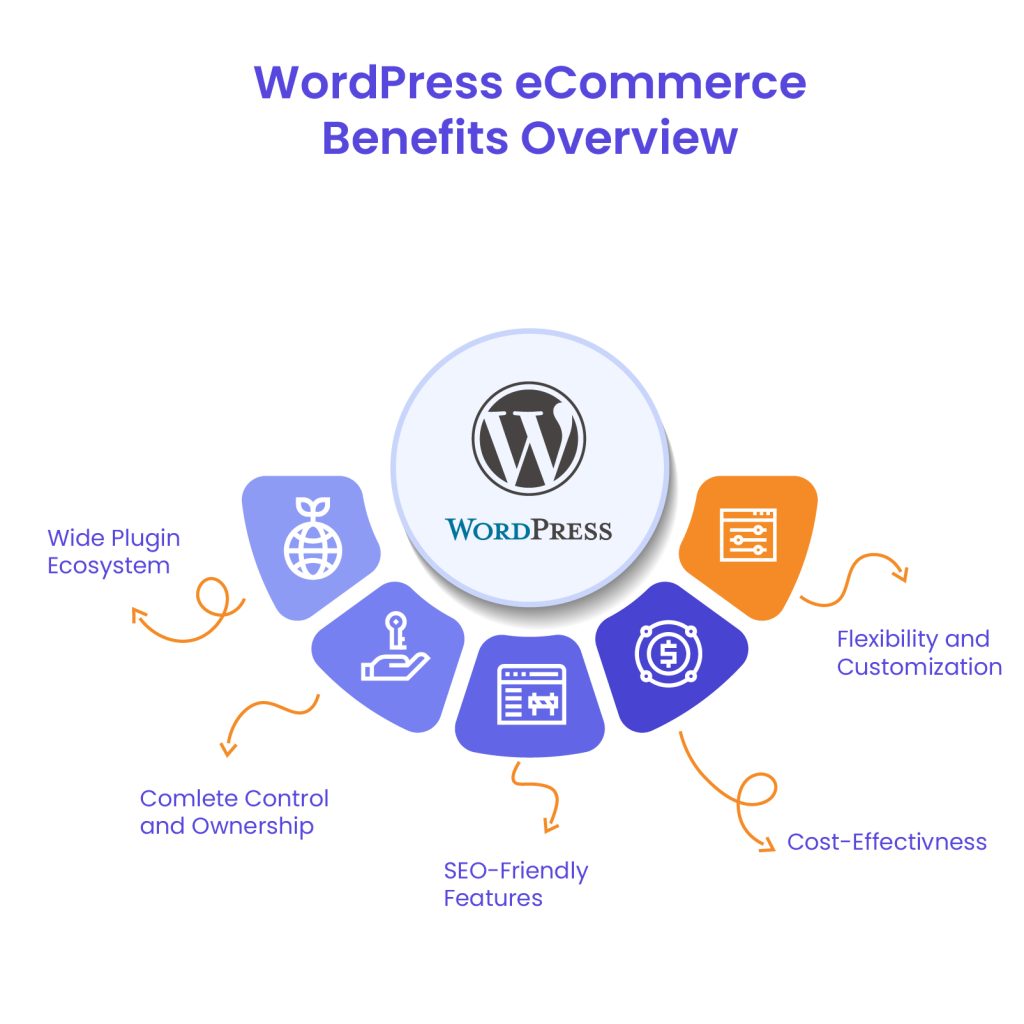
Now that we’ve established how WordPress can function as an eCommerce platform, let’s explore why many businesses choose it over dedicated eCommerce platforms like Shopify or BigCommerce. There are several compelling reasons why WordPress could be the ideal solution for your online store.
1. Flexibility and Customization
One of the most significant advantages of using WordPress for ecommerce is its unparalleled flexibility. With thousands of themes and templates available, you can design a storefront that aligns with your brand’s identity. For those with coding experience—or access to skilled developers—WordPress offers the freedom to create custom designs and functionalities that go far beyond what pre-built themes offer.
2. Cost-Effectiveness
If you’re working with a limited budget, WordPress is an attractive option. Unlike platforms such as Shopify or Magento, WordPress itself is free to use. While you’ll still need to pay for hosting, premium themes, and certain plugins, the overall initial investment tends to be lower. This allows startups and small businesses to launch their stores without significant upfront costs.
3. SEO-Friendly Features
Getting your products seen online is just as important as having a great-looking store. WordPress has built-in blogging capabilities, making it an SEO-friendly platform right out of the box. Additionally, there are powerful plugins like Yoast SEO or All in One SEO that help optimize your site for search engines, improve product visibility, and drive organic traffic.
4. Complete Control and Ownership
Unlike proprietary platforms where you’re restricted by terms of service, WordPress offers complete control over your site. You own your content, data, and design. This level of autonomy allows businesses to grow without being tied down by platform limitations.
5. Wide Plugin Ecosystem
Another standout advantage is WordPress’s extensive plugin library. Need to set up payment gateways, manage shipping, or offer customer rewards? There’s likely a plugin for that. The sheer variety of options ensures you can tailor your online store to meet your specific needs without relying heavily on custom development.
WordPress website building
Enhance your agency’s offerings with expert WordPress website building services. We design, develop, and maintain fast and responsive WordPress sites.
4 Challenges of Using WordPress for eCommerce
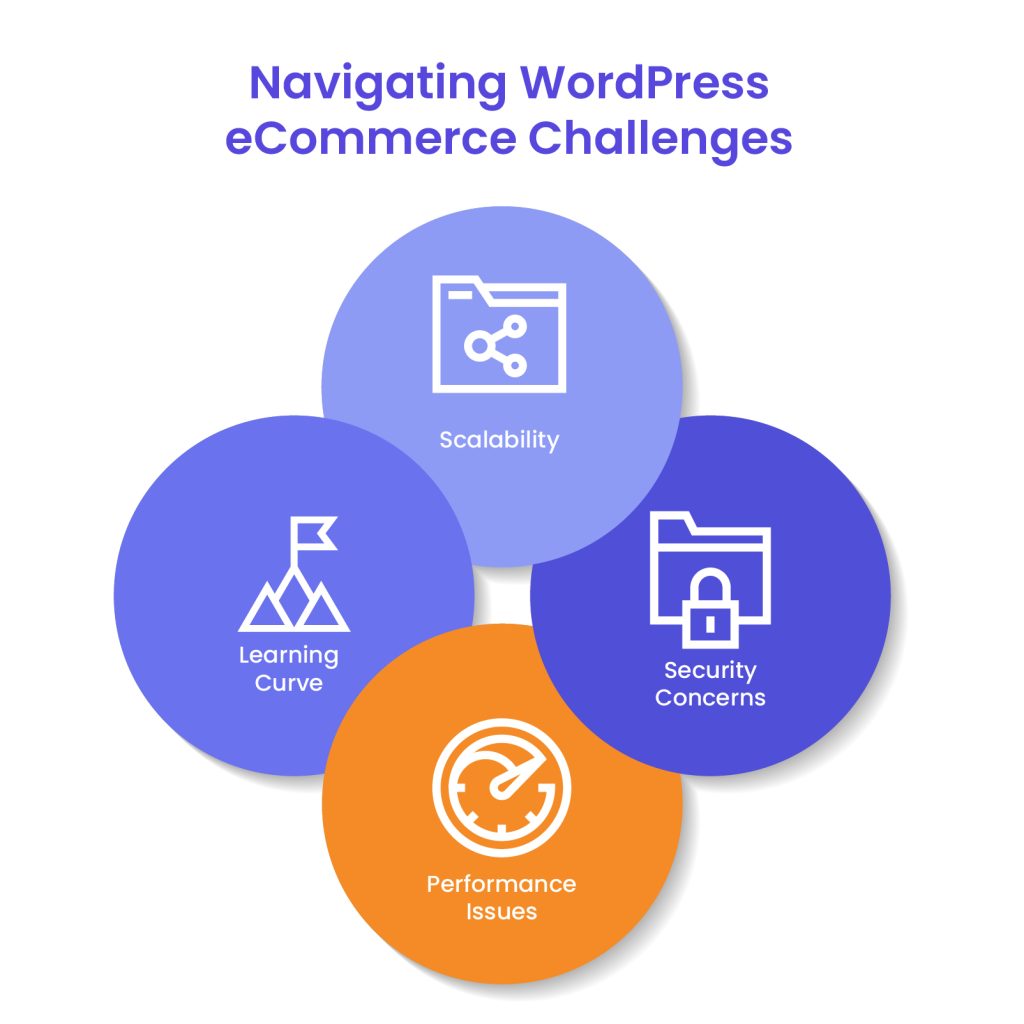
While WordPress offers impressive flexibility and power, it’s not without its challenges. Before you dive in, it’s important to weigh these potential drawbacks to determine if WordPress is the right fit for your eCommerce goals.
1. Security Concerns
Because WordPress is an open-source platform and heavily reliant on third-party plugins, it can be more vulnerable to security threats if not properly maintained. Regular updates for themes, plugins, and the core WordPress software are essential to keep your site secure. Business owners must also implement security measures such as SSL certificates, firewalls, and reliable backup systems.
2. Performance Issues
Running a successful eCommerce store requires fast load times and reliable performance—especially as your product catalog and customer base grow. An ecommerce website on WordPress can slow down if not optimized correctly. You’ll need to invest in high-quality hosting, use performance-boosting plugins, and optimize images and code to ensure smooth operation.
3. Steeper Learning Curve
Unlike all-in-one platforms such as Shopify, WordPress requires a higher level of technical know-how. Setting up your store might involve tweaking code, managing plugins, or handling custom configurations. If you’re not tech-savvy, you may need to hire a developer to assist with setup and maintenance.
4. Scalability for Larger Stores
While WordPress is scalable, handling a large inventory or high traffic can be challenging. Large eCommerce operations might encounter issues with database management and slower performance without proper optimization and a robust hosting solution.
WooCommerce: The Backbone of WordPress eCommerce

After exploring the strengths and challenges of using WordPress for ecommerce, it’s impossible to overlook the true engine that powers most WordPress-based online stores: WooCommerce. If you’re wondering, can WordPress be used for ecommerce? The answer is a resounding yes—thanks largely to WooCommerce.
WooCommerce is a free, open-source plugin that transforms a basic WordPress site into a fully functional online store. It’s one of the most popular eCommerce solutions worldwide, powering over 28% of all online stores. But what makes WooCommerce so dominant in the WordPress ecosystem?
3 Key Features and Benefits of WooCommerce
- Free Core Plugin with Premium Extensions: WooCommerce offers a robust core experience at no cost, providing essential features like product listings, payment integration, and basic shipping options. If you need advanced functionality, there’s an extensive library of premium add-ons for things like subscriptions, bookings, and advanced shipping rules.
- Seamless Integration with Payment Gateways: WooCommerce integrates effortlessly with popular payment gateways, including Stripe, PayPal, and Square. You can also set up local payment methods and offline payments if necessary.
- Customizability: Much like WordPress itself, WooCommerce is highly customizable. With access to various themes, plugins, and code-editing capabilities, you can craft a store experience that’s entirely unique to your brand.
Woocommerce Developer
Streamline your Woocommerce projects by hiring a Woocommerce developer from our team. We’ve got you covered for your ecommerce projects.
Comparison: WordPress vs. Other eCommerce Platforms
When determining whether WordPress for ecommerce is the right choice for your business, it’s essential to evaluate how it stacks up against other leading eCommerce platforms. Every platform brings its own strengths and weaknesses, and comparing them side by side can help you make a more informed decision.
Let’s break down how WordPress compares to Shopify, Magento, and BigCommerce—three of the most popular eCommerce solutions available today. To make these differences clearer, we’ve provided easy-to-follow comparison tables.
WordPress vs. Shopify
Shopify is often hailed for its simplicity and ease of use, making it an appealing choice for beginners. However, while Shopify offers a streamlined, user-friendly experience, it doesn’t provide the same level of flexibility as WordPress.
Here’s how the two platforms compare:
| Feature | WordPress | Shopify |
| Customization | Endless customization through themes, plugins, and custom coding | Limited customization unless upgrading to more expensive plans or using complex custom coding |
| Pricing | More cost-effective initially but may require investment in hosting, themes, and plugins | Predictable subscription model but additional fees for certain payment gateways |
| Scalability | Scales effectively with the right hosting and optimization | Great choice for growing businesses with easy scalability |
If customization and control are top priorities for your online store, WordPress offers far greater flexibility. However, if simplicity and quick setup are your main goals, Shopify may be a better fit.
WordPress vs. Magento
Magento, now known as Adobe Commerce, is renowned for its powerful capabilities and scalability. It’s an excellent choice for large enterprises managing complex online stores with extensive product catalogs. However, the platform comes with a steep learning curve and higher costs.
Here’s a detailed comparison:
| Feature | WordPress | Magento |
| Advanced Features | Robust features with plugins and custom development | Superior scalability and robust features for complex stores |
| Technical Requirements | More accessible for small to medium-sized businesses | Requires advanced technical skills to set up and manage |
| Cost | Budget-friendly compared to Magento’s enterprise-level costs | High costs associated with enterprise-level solutions |
WordPress vs. BigCommerce
BigCommerce is another popular hosted platform known for its built-in performance optimization and ease of use. It’s a solid choice for those looking for a managed solution that takes care of hosting, security, and performance.
Let’s see how WordPress measures up:
| Feature | WordPress | BigCommerce |
| Hosting and Performance | Requires self-management of hosting, performance, and security | Hosted platform that manages performance, security, and maintenance |
| Customization | Unmatched design and functional flexibility | Robust features but limited compared to WordPress flexibility |
While BigCommerce is convenient for those who prefer a hassle-free, managed solution, it lacks the design and functional freedom that WordPress offers. If flexibility and creative control are essential for your store, WordPress will likely be the better fit.
Recommendation
Thinking about launching your client’s platform on Woocommerce? Find out everything about Woocommerce price in our detailed blog.
Real-World Examples and Case Studies
To truly answer the question is WordPress good for ecommerce?, it’s important to look at real-world success stories. Businesses of all sizes have leveraged the flexibility and power of WordPress for ecommerce to build thriving online stores.
Here are some notable examples of WordPress ecommerce sites that showcase how different brands have used this platform to meet their unique eCommerce needs.
1. Porter & York – Premium Meat Delivery

Porter & York, a high-end meat delivery service, uses WooCommerce to craft a streamlined, customer-friendly online shopping experience. Their website features a clean design, intuitive navigation, and detailed product descriptions that highlight their commitment to quality.
What sets Porter & York apart is how they handle the logistics of selling perishable goods. The platform supports custom delivery scheduling, allowing customers to choose their preferred delivery date to ensure freshness. Additionally, the use of high-resolution images and descriptive content builds trust and highlights the premium nature of their offerings.
Key Takeaway
WordPress enables niche brands to build a seamless, high-quality shopping experience while effectively handling specialized business needs, like perishable inventory management.
2. All Blacks Shop – Official New Zealand Rugby Store

The All Blacks Shop, the official merchandise store of New Zealand’s iconic rugby team, is an excellent example of how WooCommerce can handle high-traffic eCommerce operations. Their website offers a wide selection of products, from jerseys and memorabilia to exclusive fan gear.
To meet the demands of a global audience, the store supports international shipping and is optimized for mobile use, ensuring a smooth shopping experience on any device. The platform also handles high traffic during peak events, such as major rugby tournaments, without compromising performance.
Key Takeaway
WordPress, when paired with strong hosting and optimization, can support large-scale, high-traffic eCommerce sites while delivering a consistent and engaging user experience worldwide.
3. Airstream – Iconic Travel Trailers

Airstream, known for its sleek aluminum travel trailers, extends its luxury brand experience into the eCommerce space through WooCommerce. Their online store features a range of branded merchandise, including travel gear, home goods, and apparel.
The site reflects Airstream’s commitment to craftsmanship and adventure through minimalist design and high-quality visuals. Integrated storytelling elements, such as lifestyle images and product descriptions, help create an emotional connection with customers, reinforcing the brand’s identity as a symbol of exploration and freedom.
Key Takeaway
WordPress allows lifestyle brands to create a cohesive and immersive shopping experience that complements their core identity, extending brand loyalty beyond their main products.
When Should You Consider WordPress for eCommerce?
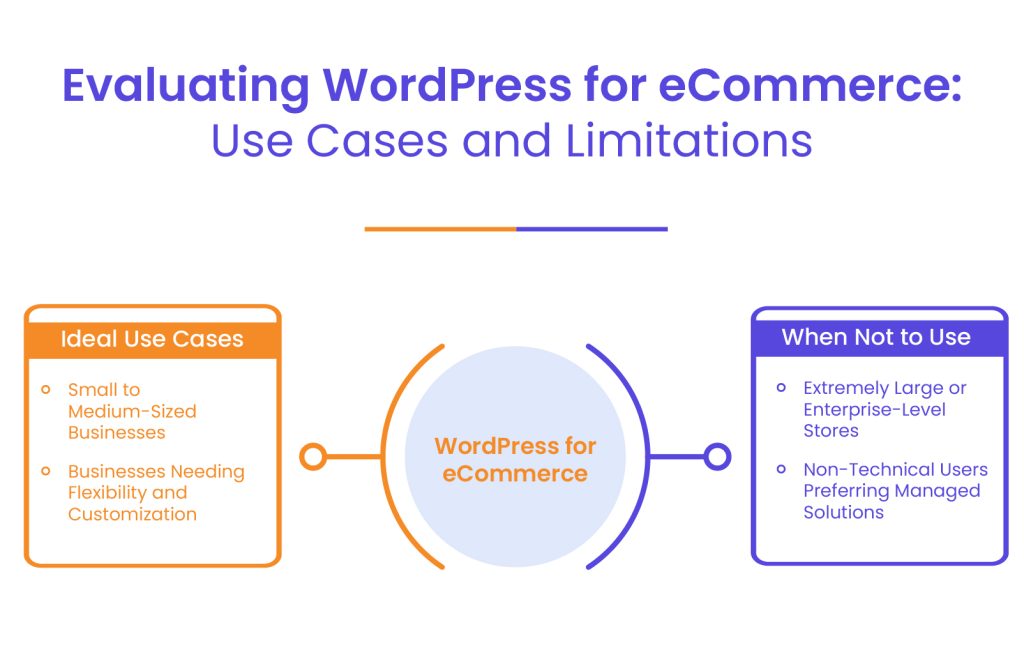
Now that we’ve explored the capabilities, advantages, and challenges of using WordPress for ecommerce, the next logical question is: Is it the right fit for your business? While WordPress offers tremendous flexibility and power, it’s not a one-size-fits-all solution. Your decision should be based on your business’s size, technical expertise, and growth goals.
Ideal Use Cases for WordPress
There are specific scenarios where choosing WordPress makes perfect sense, especially if flexibility and customization are high on your priority list:
- Small to Medium-Sized Businesses: If you’re running a boutique store, an online service platform, or a growing retail business, WordPress offers everything you need. Its cost-effective setup and vast plugin ecosystem allow you to build a fully functional online store without breaking the bank.
- Businesses Needing Flexibility and Customization: If your brand relies on a unique shopping experience, custom product pages, or specialized features, WordPress is the perfect canvas. With its open-source nature and extensive theme library, you can create a store that truly reflects your brand’s identity.
When WordPress May Not Be the Best Fit
While WordPress can handle various eCommerce needs, it isn’t always the ideal solution—especially in these cases:
- Extremely Large or Enterprise-Level Stores: If you’re running a massive eCommerce operation with tens of thousands of products and high traffic, platforms like Magento or custom-built solutions may offer more scalability and performance out of the box.
- Non-Technical Users Preferring Managed Solutions: If you’re looking for an all-in-one, hassle-free experience with built-in hosting, security, and updates, platforms like Shopify or BigCommerce might be a better match. WordPress requires a level of technical management that may be overwhelming for those without technical expertise or access to developer support.
In the end, the decision comes down to your specific business needs and long-term goals.
Conclusion
So, is WordPress good for ecommerce? The answer largely depends on what you need from your online store.
WordPress offers unmatched flexibility, cost-effectiveness, and scalability, making it an excellent choice for small to medium-sized businesses and brands that want full control over their website’s design and functionality. With powerful tools like WooCommerce and an extensive ecosystem of plugins, it allows businesses to create customized, high-performing eCommerce stores tailored to their specific needs.
However, it’s not without its challenges. Managing security, performance, and technical updates requires a certain level of expertise. For businesses seeking simplicity or managing massive product inventories, other platforms might offer a more straightforward solution.
Partner with White Label Agency for Expert WordPress Development
If you’re a digital agency looking to harness the power of WordPress for your clients, why not partner with the experts? At White Label Agency (WLA), we’ve worked with over 600 agencies, producing more than 10,000 websites and maintaining over 800 sites to ensure peak performance and security.
Whether you need custom WordPress development, ongoing maintenance, or full-scale eCommerce solutions, our team is here to help you deliver exceptional results. With a track record of collaborating with over 180 agencies and handling more than 3,000 websites annually, we have the expertise and resources to support your growth.
Ready to elevate your WordPress projects? Team up with WLA today and let’s build something extraordinary together.
FAQs
Is WordPress better or Shopify?
The answer depends on your needs. WordPress offers more flexibility and customization, making it ideal for businesses that want complete control over design and functionality. Shopify, on the other hand, is a fully hosted solution that’s easier to set up and manage, making it better suited for those who prefer a hassle-free, all-in-one platform.
Is WordPress eCommerce free?
The core WordPress platform and the WooCommerce plugin are free to use. However, running an eCommerce store on WordPress typically involves additional costs for hosting, premium themes, plugins, and potential developer assistance for advanced customizations.
Is WordPress good for small business?
Absolutely! WordPress is a cost-effective and flexible solution for small businesses. It allows for easy customization, offers SEO-friendly tools, and gives you full ownership of your website, making it an ideal choice for small to medium-sized businesses looking to grow their online presence.