

Key takeaways
- OpenSpec provides a structured, spec-driven framework that replaces long, scattered chat logs with a single source of truth.
- A dedicated WordPress developer can eliminate repetitive explanations, lower token usage, and prevent costly code rewrites.
- At White Label Agency, we incorporate modern AI frameworks into our workflows to deliver faster, highly reliable custom WordPress projects.
What is OpenSpec and why modern developers use it
OpenSpec is an open-source, spec-driven framework that structures requirements, technical mechanics, and planned changes into persistent specification files. Instead of relying on short-lived chat histories with AI coding tools, web developers maintain clear specifications directly inside the code repository.
To keep project context clear across development cycles, OpenSpec structures technical knowledge into key specification artifacts stored alongside the code:
| Artifact | Primary purpose | What it stores |
| proposal.md | Feature rationale and scope | Architectural guidelines, coding standards, and tech stack choices. |
| design.md | Technical mechanics | Technical design choices, database updates, and system dependencies. |
| tasks.md | Implementation checklist | Step-by-step micro-tasks for the AI assistant to execute systematically. |
| spec.md | Living behavior contract | Active system capabilities, requirement rules, and behavioral change descriptions. |
| config.yaml | Project workflow and rules | Project workflows, shared context, schemas, and custom operational rules that guide OpenSpec. |
At White Label Agency, we continuously seek smarter ways to integrate AI into our daily workflows. One of our dedicated WordPress developers, Dmytro Shliakhovyi, actively uses OpenSpec to manage complex client builds. Working on large existing custom projects often presents a challenge when using AI assistants, as context gets lost between sessions. By locking down decisions in structured specifications, we provide the AI with exact instructions before a single line of code changes.
This approach transforms AI tools from unpredictable code generators into disciplined assistants. The specification acts as a binding contract between the web developer and the AI. As a result, we maintain full control over project architecture while leveraging AI speed.
Key benefits of spec-driven AI development
Spec-driven development brings structure, predictability, and efficiency to AI-assisted custom website development. It bridges the gap between high-level business goals and precise technical execution.
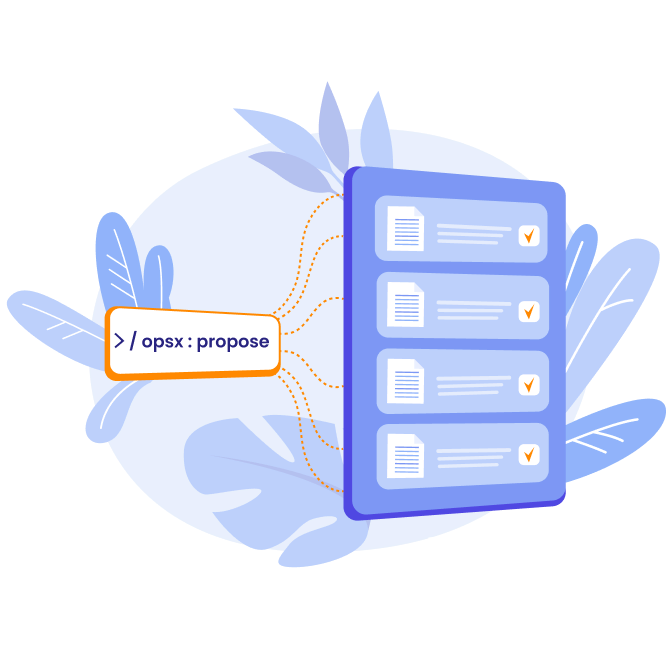
- Propose: Define changes clearly before writing code.
- Design: Plan technical mechanics and dependencies.
- Apply: Implement tasks systematically with AI assistance.
- Archive: Lock completed deltas permanently into project specifications.
Here are the primary advantages our developers experience when using OpenSpec:
- Less repeated explanation: Web developers do not need to describe project rules, coding standards, and past architectural decisions every time a new AI session begins.
- Lower token usage: Storing structured requirements allows the AI to work with a concise context window, significantly reducing repetitive context overhead and API costs on large projects.
- Fewer misunderstandings: Defining expectations before writing code prevents the AI from making incorrect assumptions or altering unassociated legacy code.
- Better code consistency: Multiple team members or different AI platforms reference the exact same underlying specification file.
- Easier brownfield development: We document existing systems gradually, focusing documentation only on areas affected by the current update.
- Pre-implementation reviews: Features and logical flows are reviewed and approved before implementation begins, avoiding major code rewrites.
How our developer Dmytro applies OpenSpec in practice
The core workflow of OpenSpec relies on a clear lifecycle: explore, propose, implement, verify, and archive. This structured progression ensures every feature addition remains fully documented and verifiable.
When building or updating custom features, Dmytro uses this process to keep production smooth and error-free:
- Exploring the scope: He uses the framework to analyze the existing code structure and map out dependencies before planning modifications.
- Drafting the proposal: The AI generates a change proposal, technical design notes, and a checklist of micro-tasks for review.
- Executing the tasks: Once approved, the AI executes the task list step by step, staying strictly within agreed boundaries.
- Verifying the work: Dmytro tests the generated code against the initial spec criteria to verify complete alignment.
- Archiving for long-term memory: Completed specs are archived into the main project documentation, building a permanent memory bank for future development cycles.
At White Label Agency, we rely on these habits to deliver high-quality custom WordPress sites for marketing agency clients across the US.
Why marketing agency clients benefit from standardized workflows
Standardized technical frameworks like OpenSpec directly protect project timelines, budgets, and deliverable quality. For a busy marketing agency, rework and miscommunication are leading causes of project delays and budget overruns.
By adopting structured frameworks, we provide marketing agency clients with predictable website development capacity. Our team members operate with clear documentation standards, allowing us to hit a guaranteed ready-for-review date consistently. Whether you hire a dedicated WordPress developer on a monthly retainer or order fixed-price project packages, our standardized workflows keep production reliable.
Ultimately, turning project context into reusable documentation allows our team members to spend less time re-explaining requirements and more time delivering exceptional custom websites for your clients.
FAQs
Does spec-driven development work on existing legacy WordPress sites?
Yes, spec-driven frameworks excel on existing projects because web developers do not need to document the entire site upfront. We document only the specific components affected by the immediate update, building long-term project memory incrementally over time.
How does OpenSpec prevent specification files from becoming stale?
OpenSpec treats documentation as an active part of the code lifecycle rather than static background text. Once a feature is implemented and verified, the framework merges the completed updates into core specifications and archives the task. Because our web developers and AI assistants reference these updated files at the start of every new task, outdated documentation is identified and refreshed automatically as the codebase evolves.


