- Historical Context and Evolution
- Types of White Label Partnerships
- 8 Key Benefits of White Label Partnerships
- Challenges and Potential Drawbacks of White Label Partnerships
- Best Practices for Successful White Label Partnerships
- 4 Advanced Partnership Models
- Hidden Costs of Partnerships
- Legal and Ethical Considerations
- Future Trends in Business Partnerships
- Unlock Growth with the Right White Label Partnership
A white label partnership is a business collaboration where one company produces a product or service, and another company rebrands and sells it as its own. This model allows businesses to expand their offerings without the costs and complexities of in-house development. Essentially, the white label partner provides the infrastructure, while the reseller focuses on branding, marketing, and customer relations.
For example, many digital agencies offer SEO services under their own brand, even though the actual work is fulfilled by a partner specializing in SEO. This arrangement benefits both parties: the service provider gets more clients, and the reseller strengthens its brand without operational overhead.
In this comprehensive blog, we will explore what is a white label partner and agreement, and how you can leverage this model for your business needs. Let’s get started.
Historical Context and Evolution
The concept of white label partnerships originated in the manufacturing industry, where retailers sold generic products under their own branding. Over time, this model extended to various sectors, including software development, marketing, financial services, and eCommerce.
In the early 2000s, white labeling became especially prominent in digital services, with companies outsourcing everything from web development to SaaS solutions. Today, businesses across industries rely on white label partners to scale quickly, improve profitability, and stay competitive.
Why White Label Partnerships Matter Today
In an era where speed and scalability define success,partnerships are more relevant than ever. Startups, agencies, and enterprises use this model to offer high-quality services without the time-consuming process of building expertise from scratch.
The advantages include:
- Faster time to market – Businesses can launch new services almost instantly.
- Lower operational costs – No need to hire in-house teams for every service.
- Brand expansion – Companies can offer a wider range of solutions under their own brand.
As demand for flexible business models grows, white label agreements will continue to shape the future of commerce.
Types of White Label Partnerships
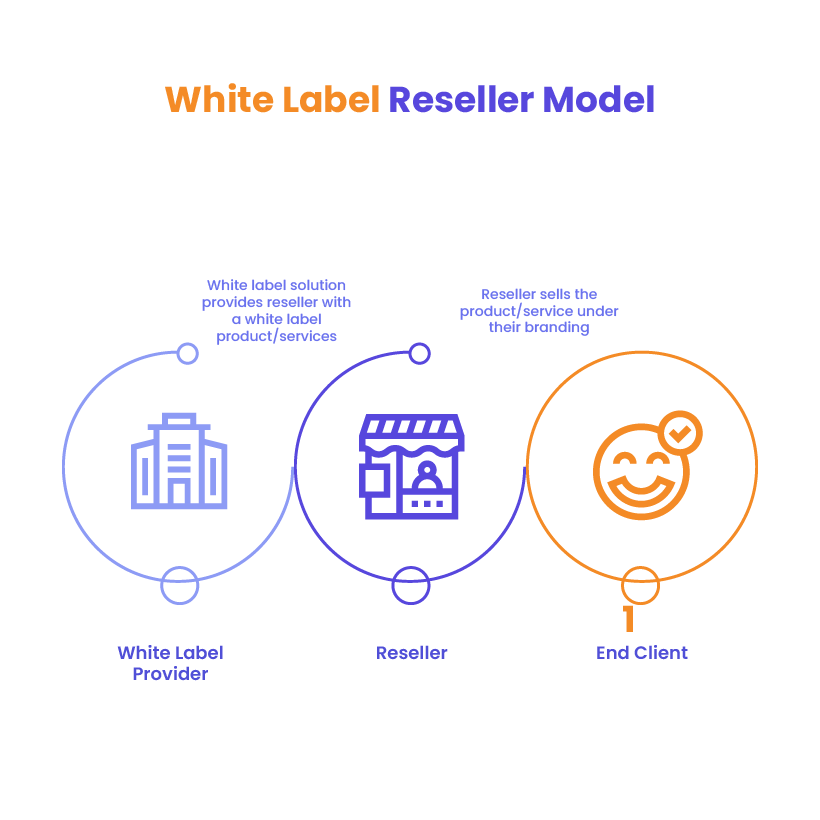
White label partnerships come in various forms, depending on the business model, product or service type, partnership structure, and level of transparency. Understanding these distinctions helps businesses choose the right approach based on their goals and operational capabilities. Below are the main types of partnerships categorized under different frameworks.
Based on Business Models
1. Reseller Model
In this model, a partner creates a product or service, and another company purchases it, rebrands it, and resells it as its own. The reseller focuses on sales, marketing, and customer service, while the provider handles production and fulfillment.
Example: A marketing agency reselling white label web design services without an in-house design team.
2. Product Co-Creation
Unlike the reseller model, product co-creation involves collaboration between both parties in developing a customized solution. The partner provides the core functionality, while the reseller adds unique features, branding elements, or integrations tailored to its market.
Example: A SaaS company working with a partner to co-develop a custom CRM solution with exclusive features for its niche audience.
Based on Product/Service Type
1. Product White Labeling
A company purchases a ready-made product, applies its branding, and sells it under its name. This is common in industries like cosmetics, electronics, and food manufacturing.
Example: A retail brand selling private-label coffee made by a third-party supplier.
2. Service White Labeling
Instead of physical products, service-based companies use white labeling to expand their offerings. The partner delivers services under the reseller’s brand, allowing businesses to provide expertise they don’t have in-house.
Example: An IT firm offering website maintenance services through a partner specializing in white label WordPress maintenance solutions.
Based on Partnership Structure
1. Exclusive White Labeling
An exclusive white label agreement ensures that the reseller has sole rights to sell the product or service under its brand. The provider cannot offer the same white-labeled solution to other companies.
Example: A software development company signs an exclusive white label agreement with a marketing agency to provide customized automation tools available only through that agency.
2. Non-Exclusive White Labeling
Here, the white label partner can offer the same product or service to multiple businesses. This model is more common and allows the provider to scale while enabling multiple companies to rebrand and resell the same offering.
Example: Multiple hosting companies reselling the same white-labeled cloud storage service under different brand names.
Based on Level of Transparency and Involvement
1. Closed White Label
In this model, customers are unaware of the white label partner behind the product or service. The reseller takes full ownership of branding, marketing, and customer support.
Example: A web design agency offering white label content creation services while presenting them as in-house solutions.
2. Open White Label
Here, the partner is acknowledged as the original provider, but the reseller still markets and sells the product or service under its brand. This model builds trust while allowing customers to benefit from the credibility of the partner.
Example: A financial advisory firm offering investment tools developed by a well-known partner and branding them as “Powered by [Partner Name].”
3. Endorsed Providers
An endorsed white label model blends white labeling with co-branding. The reseller promotes the product under its name while also crediting the partner for credibility.
Example: A telecom company reselling cloud communication services with an “Endorsed by [Partner Company]” tag.
By selecting the right white label agreement and model, businesses can expand their service offerings, increase revenue, and improve customer satisfaction without developing new products from scratch. The key is to align the white label partner strategy with business goals and target market expectations.
8 Key Benefits of White Label Partnerships

White label partnerships offer numerous advantages for businesses looking to scale quickly, enhance their service offerings, and improve profitability. By leveraging the expertise of a white label partner, companies can expand their market presence while minimizing risks and operational burdens. Below are the key benefits of partnerships and why they have become a strategic choice for businesses across industries.
1. Access to Expertise
Partnering with a white label provider allows businesses to offer high-quality products and services without the need for in-house development. Instead of spending time and resources building expertise, companies can tap into the skills and technology of an established provider.
Example: A marketing agency offering PPC services through a partner that specializes in paid advertising, ensuring better results for clients.
2. Faster Time to Market
Launching new products or services from scratch requires extensive research, development, and testing. With partnerships, businesses can introduce new offerings almost instantly, allowing them to stay ahead of competitors.
Example: A startup wanting to offer AI-powered analytics can partner with a white label provider and launch the solution under its brand within weeks instead of months.
3. Reduced Risks
Developing a product or service in-house comes with risks, including high investment costs, uncertain market demand, and operational challenges. White label partnerships mitigate these risks by offering pre-tested solutions that have already been validated in the market.
Example: A SaaS company outsourcing cybersecurity services to a partner instead of hiring a dedicated team and investing in infrastructure.
4. Access to New Customer Bases
By integrating white label solutions, businesses can attract new customer segments they previously couldn’t serve. This diversification leads to increased revenue streams and a broader market reach.
Example: A web hosting company adding white label website development services, attracting customers who need both hosting and web development.
5. Brand Recognition
Companies using partnerships can enhance their brand credibility by offering premium solutions without the need for product development. Customers associate these high-quality services with the reseller’s brand, strengthening trust and loyalty.
Example: A financial services company offering branded fintech tools developed by a white label provider, positioning itself as an industry leader.
6. Increased Potential for Growth
With partnerships, businesses can scale faster without being constrained by resource limitations. They can expand their offerings, enter new markets, and increase revenue without major capital investments.
Example: An eCommerce platform integrating white-labeled dropshipping services to grow its product catalog without managing inventory.
Recommendation
Want to learn more about white label solutions in ecommerce? Check out our comprehensive guide on white label ecommerce.
7. Avoidance of Unnecessary Overhead Costs
Building a new product or department involves hiring, training, infrastructure, and operational costs. A white label partner eliminates these expenses, allowing businesses to operate more efficiently and profitably.
Example: A digital agency providing SEO services via partnerships instead of hiring a full-time SEO team.
8. Appeal to a Larger Audience
By offering a wider range of services through partnerships, businesses can cater to a more diverse audience. This flexibility allows companies to serve different customer needs without major restructuring.
Example: A healthcare SaaS company integrating white-labeled telemedicine solutions, attracting both doctors and clinics looking for virtual consultation platforms.
Challenges and Potential Drawbacks of White Label Partnerships
While a white label partnership offers significant advantages, it also comes with challenges that businesses must navigate to ensure success. Understanding these potential drawbacks allows companies to mitigate risks and maintain strong relationships with their partners.
1. Quality Control Issues
One of the biggest risks in a partnership is maintaining consistent quality. Since the reseller does not directly control product development or service execution, there is always a risk that the final output may not meet expectations.
✅ How to Mitigate: Establish clear quality standards and service-level agreements (SLAs) with your partner to ensure consistency.
2. Increased Competition
In a white label partnership, the same product or service can be resold by multiple businesses. This means that competitors might offer identical solutions, leading to price wars and brand differentiation challenges.
✅ How to Mitigate: Differentiate through exceptional customer service, additional value-added features, or a strong brand reputation.
3. Dependence on Partners
A white label partnership requires relying on an external provider for product development, updates, and support. If the partner experiences delays or operational issues, the reseller’s business can suffer.
✅ How to Mitigate: Have contingency plans in place and consider working with multiple white label partners to diversify risk.
4. Risk of White Label Discovery
Customers may discover that a business is using a partnership instead of providing services directly. This can damage credibility if clients expect a fully in-house solution.
✅ How to Mitigate: Be transparent when necessary, and choose a partner that allows you to maintain full branding and ownership of the service.
5. Lack of Communication
Since partnerships involve multiple businesses working together, communication gaps can lead to misunderstandings, delays, or unsatisfactory results.
✅ How to Mitigate: Establish clear communication channels and conduct regular performance reviews with your white label partner.
6. Data Security Concerns
Sharing customer data with a partner can pose security risks, especially if the provider does not follow strict data protection policies.
✅ How to Mitigate: Work with white label partners who comply with industry security standards (e.g., GDPR, PCI DSS) and have robust data protection measures in place.
7. Disconnect Between Client Expectations and Delivered Results
Clients may have high expectations based on your branding, but the partner delivering the service may not meet those expectations.
✅ How to Mitigate: Set clear expectations with both clients and white label partners to ensure alignment in deliverables.
Best Practices for Successful White Label Partnerships

Establishing and maintaining a strong collaboration requires careful planning and execution. A well-structured approach ensures that both parties benefit from the arrangement while delivering high-quality products or services to end customers. Below are key best practices to maximize the effectiveness of these partnerships.
Choosing the Right Partner
Selecting a reliable provider is the foundation of a successful collaboration. Businesses should evaluate potential providers based on their industry experience, track record, and reputation. Aligning with a provider that understands the market and has a history of delivering consistent results reduces the risks associated with outsourcing.
Strategic Alignment
Partnerships should align with long-term business objectives. Before entering into an agreement, it is essential to assess whether the provider’s capabilities, vision, and offerings complement the reseller’s brand identity and customer expectations. A misalignment in strategy can lead to challenges in execution and branding.
Transparency
Maintaining an open and honest relationship is critical for long-term success. Both parties should establish clear expectations regarding processes, limitations, and service delivery. Transparency builds trust and helps prevent misunderstandings that can arise from misaligned expectations.
Expertise and Experience
Working with a provider that has in-depth knowledge of the industry and a proven track record ensures high-quality service delivery. Providers with a history of innovation and adaptability can also contribute to the reseller’s growth by offering insights and improvements based on industry trends.
Work Culture and Values
A strong collaboration requires shared values and work ethics. Differences in business culture can lead to friction, making it difficult to maintain a productive working relationship. Aligning on principles such as customer service standards, communication styles, and problem-solving approaches ensures smoother operations.
Pricing Structure
A fair and scalable pricing model benefits both parties. It is important to evaluate cost structures, volume-based discounts, and potential hidden fees before finalizing any agreements. Clear financial terms prevent disputes and allow for long-term profitability.
Establishing Clear Agreements
Well-defined terms help avoid ambiguity and confusion. Legal agreements should outline responsibilities, expected service levels, and the conditions under which modifications can be made. Clear documentation ensures both sides are accountable for their commitments.
Defining Roles and Responsibilities
Clearly delineating each party’s responsibilities minimizes operational bottlenecks and ensures smooth service delivery. Ambiguity in task allocation can lead to inefficiencies and miscommunication, negatively affecting client satisfaction.
Setting Performance Metrics
Establishing key performance indicators allows both parties to measure success objectively. Metrics such as response times, service completion rates, and customer satisfaction scores provide data-driven insights into the partnership’s effectiveness.
Confidentiality and Non-Disclosure Agreements
To protect sensitive business information, agreements should include clauses that prevent unauthorized sharing of proprietary data. This ensures that intellectual property and client information remain secure.
Download a Free NDA Template
Download our free non-disclosure agreement template to better safeguard your white label partnerships.
Maintaining Effective Communication
Regular Updates and Meetings
Consistent communication helps address issues before they escalate. Scheduled meetings provide an opportunity to review progress, discuss challenges, and refine strategies to enhance service delivery.
Feedback Mechanisms
Encouraging open feedback between both parties fosters continuous improvement. Regular evaluations help identify areas where adjustments are needed to maintain high-quality standards.
Conflict Resolution Strategies
Disputes are inevitable in any business relationship. Having predefined resolution methods ensures that conflicts are handled professionally and efficiently, preventing disruptions in service delivery.
Ensuring Quality Assurance
Setting Quality Standards
Defining benchmarks for product or service quality helps maintain consistency. Establishing guidelines on processes, customer interactions, and final outputs ensures a seamless experience for end users.
Regular Audits and Assessments
Conducting periodic evaluations ensures adherence to agreed-upon standards. Audits help detect potential weaknesses early, allowing both parties to take corrective action before issues impact clients.
Continuous Improvement Processes
A commitment to refining services over time keeps the partnership competitive. Staying updated on industry trends, customer preferences, and emerging technologies ensures long-term success.
Managing Client Relationships
Educating Clients About the Partnership
Helping customers understand the value of the collaboration enhances trust. Clear messaging about service capabilities and operational workflows builds confidence and sets realistic expectations.
Handling Client Feedback
Actively collecting and responding to customer insights strengthens service quality. Addressing concerns promptly demonstrates a commitment to continuous improvement and client satisfaction.
Building Trust and Credibility
Long-term success depends on maintaining a strong reputation. Delivering consistent, high-quality service reinforces brand credibility and encourages client loyalty.
By following these best practices, businesses can establish successful collaborations that foster growth, efficiency, and long-term stability.
WordPress Outsourcing Services
Enhance your agency’s capabilities with our WordPress outsourcing services. Get expert development, design, and maintenance support tailored to your needs.
4 Advanced Partnership Models
As businesses look for innovative ways to expand their offerings and reach new markets, more sophisticated collaboration models have emerged. These advanced structures go beyond traditional reseller arrangements, allowing companies to integrate services more strategically. Below are three major approaches that organizations use to strengthen their market position.
1. Vertical Model
This approach involves collaboration within the same industry to provide complementary solutions. By bundling related services under one brand, businesses can offer more comprehensive solutions without investing in additional expertise or infrastructure. This model is commonly seen in professional service industries, technology firms, and digital marketing sectors.
Organizations adopting this structure benefit from a seamless customer experience, as clients receive interconnected services from a single provider. It also strengthens competitive positioning by reducing the likelihood of customers seeking solutions from external vendors.
2. Horizontal Model
Unlike the vertical approach, this model focuses on cross-industry partnerships. Businesses team up with providers in unrelated fields to expand their portfolio and attract a broader audience. By integrating services that cater to overlapping customer needs, companies can drive additional revenue without straying from their core competencies.
Horizontal model works particularly well for technology-driven businesses, where software and digital solutions can be adapted for various industries. It enables firms to tap into entirely new customer segments without the risks associated with direct market expansion.
3. Hybrid Model
A more flexible approach, this model blends elements of both vertical and horizontal structures. Companies adopting this framework can combine industry-specific offerings with external solutions to create unique, high-value service packages.
Some organizations take this strategy further by incorporating collaborative branding elements. This allows each party to maintain its own identity while benefiting from shared marketing and distribution channels. By leveraging both exclusive and non-exclusive arrangements, businesses can maximize reach and profitability.
4. Strategic Integrations
A growing number of companies incorporate additional elements such as co-branding to enhance their partnerships. In these cases, services remain under the provider’s identity while benefiting from mutual marketing efforts. This is especially effective in industries where credibility and trust play a major role in customer acquisition.
By carefully selecting the right structure, businesses can create highly effective partnerships that drive long-term growth and differentiation in competitive markets.
Hidden Costs of Partnerships
While outsourcing products or services to an external provider can be a cost-effective way to expand offerings, there are often additional expenses that businesses may overlook. Understanding these hidden costs is essential for making informed decisions and maintaining profitability.
Branding and Customization Fees
Many providers offer standard solutions, but for businesses looking to maintain a unique identity, customization is often necessary. Adding branding elements such as logos, tailored user interfaces, or specific design adjustments may come at an extra cost. These fees can vary based on the level of personalization required and may be charged as a one-time setup fee or as ongoing expenses.
Companies that require extensive modifications to align with their brand image should carefully evaluate pricing structures before committing to a provider. Over time, these costs can add up, making the overall investment higher than anticipated.
Support & Training Costs
Providing a seamless customer experience often requires additional resources beyond what the external provider supplies. While outsourcing eliminates the need for direct product development, businesses still need trained personnel to handle client inquiries, technical issues, and troubleshooting.
In many cases, staff must undergo specialized training to understand the outsourced service fully, ensuring they can provide accurate assistance. Depending on the complexity of the offering, ongoing education and documentation updates may be necessary, leading to further expenses. Additionally, some providers charge for premium support packages, further increasing operational costs.
Contractual Obligations
Many agreements come with long-term commitments that may not be immediately obvious. Some providers require multi-year contracts or minimum purchase requirements, limiting flexibility and making it difficult to switch to a different supplier if needed.
Exiting these arrangements prematurely can result in penalties or lost investments, especially if a company has built its offerings around an external solution. Businesses should carefully review contractual terms, including cancellation policies and renewal clauses, to avoid unexpected financial burdens.
Final Considerations
While outsourcing services can provide numerous advantages, factoring in hidden costs ensures a more accurate assessment of overall investment. By evaluating customization needs, ongoing support requirements, and contractual commitments, businesses can create a sustainable and cost-effective strategy that aligns with long-term goals.
Legal and Ethical Considerations

Engaging in business partnerships requires careful attention to legal and ethical responsibilities. Ensuring compliance with intellectual property laws, industry regulations, and ethical business practices protects both parties and fosters long-term credibility. Overlooking these aspects can lead to financial penalties, reputational damage, or even legal disputes.
Intellectual Property Rights
Clearly defining ownership rights is essential to avoid conflicts over branding, content, or proprietary technology. When reselling a product or service under a different name, businesses must ensure that all assets – such as logos, software code, marketing materials, and proprietary features – are used with proper authorization. Agreements should specify who retains ownership of each element and outline any restrictions on modifications or redistribution.
Unauthorized use of intellectual property can have serious legal consequences. According to the World Intellectual Property Organization (WIPO), infringement issues can result in fines, lawsuits, and contract termination. Businesses should take proactive steps to secure proper licensing and trademark agreements to avoid potential violations.
Compliance with Industry Regulations
Different industries have specific legal requirements governing the distribution and sale of products and services. Companies must ensure their offerings comply with relevant laws, such as data protection policies, consumer rights regulations, and financial reporting standards. Non-compliance can lead to significant penalties and reputational harm.
In certain sectors, third-party certification or licensing may be required before a product or service can be resold. Conducting thorough due diligence and verifying that business partners meet all necessary compliance standards is essential. Organizations such as the International Organization for Standardization (ISO) provide industry-specific guidelines to help businesses maintain regulatory compliance.
Ethical Marketing Practices
Maintaining honesty and transparency in promotional efforts is crucial for building trust with customers. Businesses should avoid misleading claims about product capabilities, pricing, or service ownership. Any co-branded or externally sourced solutions should be accurately presented to prevent consumer confusion.
Additionally, respecting consumer privacy and securing customer data are key ethical obligations. Companies should implement strong data protection policies and ensure that marketing practices align with ethical guidelines. Adhering to ethical business practices not only strengthens brand reputation but also minimizes the risk of regulatory action.
Future Trends in Business Partnerships
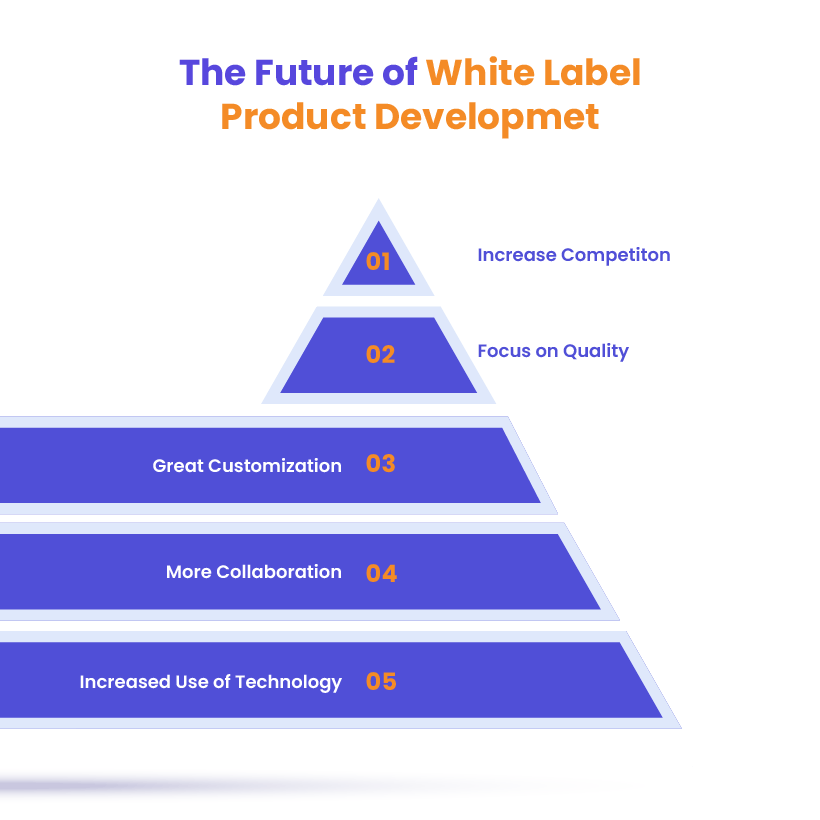
As industries evolve, companies must adapt to emerging trends that shape the way partnerships function. Advances in technology, shifts in consumer behavior, and increasing global connectivity are influencing how businesses collaborate and scale their operations. Understanding these changes can help organizations stay ahead of the competition and refine their strategies for long-term success.
Impact of Technology and Innovation
The rapid advancement of digital tools is transforming how businesses integrate external solutions into their offerings. Automation, artificial intelligence, and machine learning are streamlining processes, enabling partners to provide more efficient and personalized services. Cloud computing and API integrations are also making it easier to connect different platforms, ensuring seamless functionality between multiple systems.
Additionally, blockchain technology is improving transparency and security in transactions, reducing the risks associated with third-party involvement. As businesses become more reliant on digital solutions, adapting to new technological advancements will be essential for maintaining a competitive edge.
Changing Consumer Preferences
Modern customers expect faster service, greater customization, and higher transparency from the brands they interact with. Businesses are shifting toward models that emphasize personalized experiences, data-driven decision-making, and on-demand solutions.
There is also a growing emphasis on ethical sourcing and sustainability, prompting businesses to ensure their operations align with environmental and social responsibility standards. Companies that prioritize authenticity and customer-centric strategies will have a better chance of building long-term loyalty and trust.
Globalization and Market Expansion
The rise of digital platforms has made it easier for businesses to expand their reach beyond local markets. Companies are increasingly looking for opportunities to enter new regions and cater to diverse audiences. However, expanding internationally comes with challenges such as compliance with foreign regulations, cultural adaptation, and logistical complexities.
As global trade continues to evolve, businesses will need to develop flexible strategies that accommodate regional differences while maintaining consistent quality and branding. Forming partnerships with established players in different markets can provide the necessary expertise and infrastructure for successful expansion.
Website as a service
Website As a Service [WAAS] provides complete website solutions including design, hosting, and maintenance through a convenient subscription model for Agencies.
Unlock Growth with the Right White Label Partnership
Building a successful white label partnership requires careful planning, strategic alignment, and a commitment to quality. From selecting the right provider and setting clear agreements to ensuring regulatory compliance and adapting to future trends, businesses must approach these collaborations with a long-term vision.
By leveraging industry expertise, reducing operational risks, and expanding service offerings, companies can scale faster and strengthen their market position. However, challenges such as quality control, branding limitations, and hidden costs must be carefully managed to maintain customer trust and profitability.
If you’re looking for a reliable and scalable solution to grow your business without the overhead of in-house development, the White Label Agency offers a seamless way to expand your service offerings. Whether you need professional WordPress web development, maintenance, or digital marketing solutions under your brand, our expert team is here to help. Contact us now to explore how we can support your growth.