- Why Choose Custom eCommerce Solutions?
- The Custom eCommerce Development Process
- Key Features of Custom eCommerce Websites
- Costs of Custom eCommerce Solutions
- Best Practices for Developing a Custom eCommerce Website
- Choosing the Right Custom eCommerce Development Partner
- 3 Challenges in Custom eCommerce Development
- Is Custom eCommerce Right for Your Business?
Custom eCommerce solutions are tailored online store systems built to match the specific needs of a business. Instead of relying on pre-built platforms like Shopify, WooCommerce, or BigCommerce, companies choose custom eCommerce development when they need more flexibility, control, and scalability.
Personalization plays a key role for businesses with unique products, workflows, or customer experiences. Custom solutions make it possible to design every aspect of the store—from the user interface to back-end integrations – to align with business goals. Unlike off-the-shelf platforms, custom development offers the freedom to build features from scratch, integrate with proprietary systems, and scale without limits.
This approach is ideal for businesses that want more than just an out-of-the-box solution. It’s built for those ready to invest in long-term performance, user experience, and growth.
Why Choose Custom eCommerce Solutions?

When out-of-the-box platforms can’t meet the specific demands of your business, custom eCommerce solutions offer the flexibility and control you need to grow and compete effectively.
- Flexibility and Scalability
Custom-built systems are designed to evolve with your business. As your product catalog, customer base, and operational needs expand, eCommerce development solutions can scale seamlessly – unlike many pre-built platforms that may require costly upgrades or workarounds. - Tailored Features
Every business has unique processes and goals. With custom solutions, you can build features from the ground up – whether it’s advanced product filters, complex pricing rules, or custom checkout flows – that simply don’t exist on standard platforms. - Improved User Experience
Custom development allows for full control over design and functionality. You can craft personalized user journeys that reflect your brand and improve engagement, resulting in higher conversion rates and customer satisfaction. - Seamless Integration
Need to connect your store with an ERP, CRM, custom payment gateway, or shipping provider? Custom eCommerce development solutions are built to integrate smoothly with your existing tools and infrastructure, eliminating compatibility issues and manual workarounds.
The Custom eCommerce Development Process
Creating a custom online store involves more than just writing code – it’s a strategic process designed to align technology with business goals. Here’s an overview of the key stages involved:
- Business and Requirements Analysis
The process begins with a thorough understanding of your business model, target audience, and operational needs. This helps define the core functionality, technical requirements, and long-term objectives of the project. - UI/UX Design
A user-friendly interface is critical to keeping customers engaged. The design phase focuses on creating intuitive navigation, mobile responsiveness, and a seamless shopping experience that reflects your brand identity. - Backend Development
Behind the scenes, developers build a solid foundation tailored to your specific workflows. This includes managing inventory, order processing, customer data, and other custom logic that supports day-to-day operations. - Third-Party Integrations
Custom systems are often connected to various tools like payment processors, shipping services, inventory systems, CRMs, or marketing platforms. These integrations ensure data flows smoothly and operations stay streamlined. - Quality Assurance & Testing
Before launch, the system undergoes rigorous testing. This includes stress tests for performance, checks for security vulnerabilities, and ensuring that all functions work as expected across devices and browsers. - Deployment & Launch
Once testing is complete, the site is deployed to the live environment. Post-launch support ensures everything runs smoothly, with monitoring, updates, and technical assistance provided as needed.
Key Features of Custom eCommerce Websites
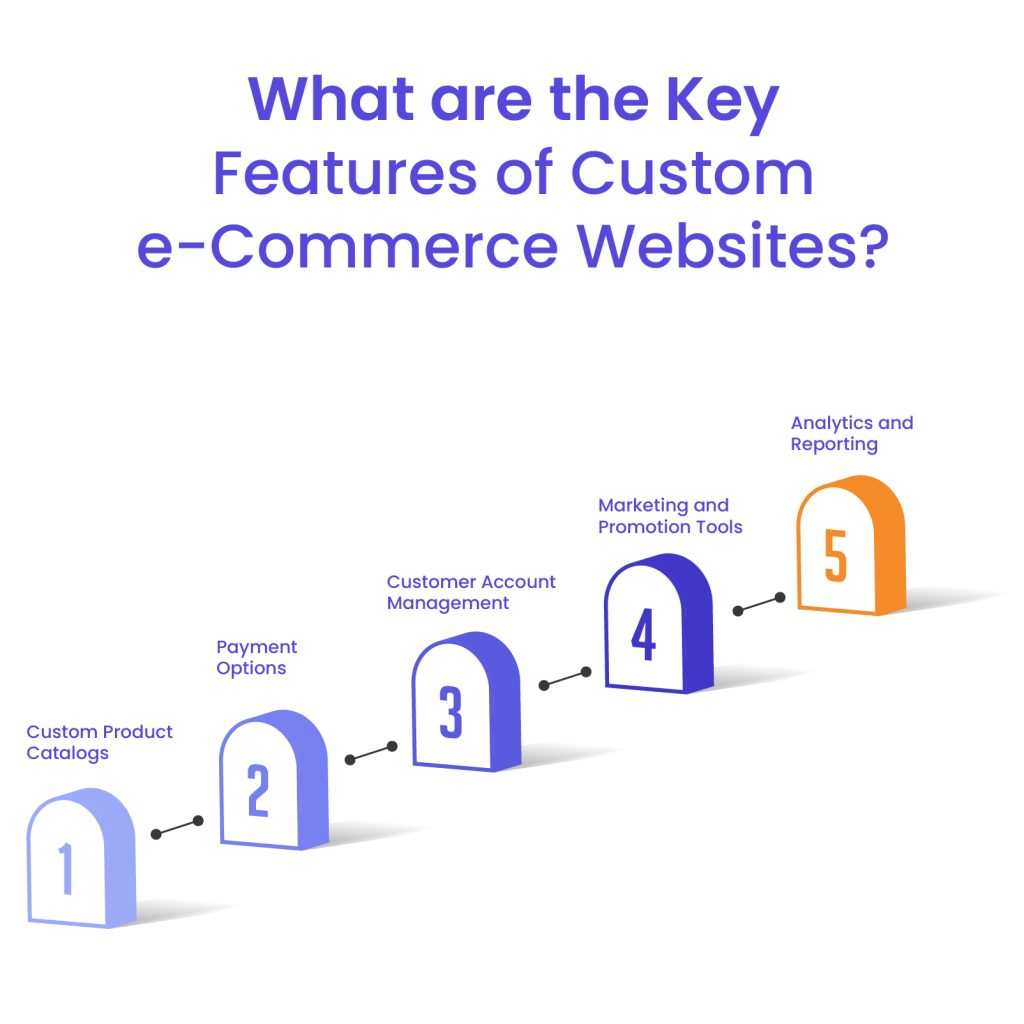
Custom-built online stores offer advanced features that go far beyond what standard platforms can provide. These features are designed to meet specific business needs and enhance both performance and user experience.
Customization Options
With full control over both design and functionality, businesses can create a unique storefront that reflects their brand. From custom layouts to tailored shopping experiences, every element can be adjusted to fit your exact requirements.
Security and Compliance
Security is built into the foundation of custom systems. Developers can implement advanced protection measures such as encryption, firewalls, and secure authentication protocols, while also ensuring compliance with industry standards like PCI DSS or GDPR.
Mobile Optimization
With a growing number of users shopping on their phones, mobile responsiveness is a must. Custom websites are designed to function smoothly on all devices, offering consistent navigation, fast loading times, and user-friendly mobile interfaces.
Scalable Infrastructure
As your customer base and product range grow, your website needs to grow with it. A custom-built infrastructure ensures your store can handle increasing traffic and transactions without slowing down or breaking under pressure.
Costs of Custom eCommerce Solutions
Investing in a custom-built online store involves a different cost structure than using a pre-made platform. While the upfront expenses may be higher, the long-term benefits often outweigh the initial investment.
- Initial Investment: The development process typically begins with a larger financial commitment. Costs include business analysis, design, backend architecture, testing, and integration with necessary tools. These tailored elements require more time and expertise, resulting in a higher initial price tag.
- Long-Term Value: While the upfront costs are greater, the return on investment can be significant. A custom system can improve customer retention, streamline operations, and increase conversion rates by delivering a better shopping experience. It also allows room to grow and adapt, reducing the need for costly migrations later.
- Maintenance and Updates: Ongoing expenses are part of keeping any digital product healthy. This includes security patches, performance optimizations, new features, and design refreshes. However, with a well-structured foundation, these updates are typically easier to implement and more aligned with your specific business goals.
Projects
Outsource web projects with confidence. We provide fixed-price white-label WordPress development and dedicated management with no upfront payment.
Best Practices for Developing a Custom eCommerce Website
Building a high-performing online store requires more than just clean code – it demands a thoughtful approach that balances user needs, technical excellence, and long-term sustainability.
Prioritize User-Centric Design
Every design decision should be made with the customer in mind. From intuitive navigation to streamlined checkout processes, focusing on user experience leads to higher engagement, lower bounce rates, and increased satisfaction.
Build with Security in Mind
Security should be integrated from the ground up. Implementing SSL certificates, data encryption, secure authentication, and regular vulnerability checks helps protect customer information and builds trust.
Adopt Agile Development Methods
Using an agile approach allows for faster iteration, continuous feedback, and quick adaptation to changing business needs. Breaking development into smaller, manageable phases helps deliver value more frequently while reducing risk.
Maintain and Optimize Regularly
Launching a site is just the beginning. Ongoing maintenance, performance tuning, and regular updates ensure your store remains fast, secure, and aligned with evolving user expectations and industry standards.
Choosing the Right Custom eCommerce Development Partner
Selecting the right team to build your online store is one of the most important decisions in the development process. The right partner can bring your vision to life, while the wrong one can lead to delays, budget overruns, and underwhelming results.
- What to Look For in a Development Team
Start by evaluating experience and technical proficiency. A strong portfolio showcasing similar projects is a good indicator of capability. Look for teams that understand your industry, communicate clearly, and offer strategic input – not just technical execution. Reviews, client testimonials, and case studies can also provide valuable insights. - Outsourcing vs. In-House Development
Outsourcing offers access to a broader talent pool, often at a lower cost, and can speed up development timelines. It’s a good option for businesses without an internal tech team or those needing specialized expertise.
On the other hand, in-house development gives you more direct control over the process and allows for faster communication. However, it typically involves higher costs and longer hiring timelines, especially when building a team from scratch.
Each option has its trade-offs, so the best choice depends on your budget, timeline, and internal resources.
3 Challenges in Custom eCommerce Development
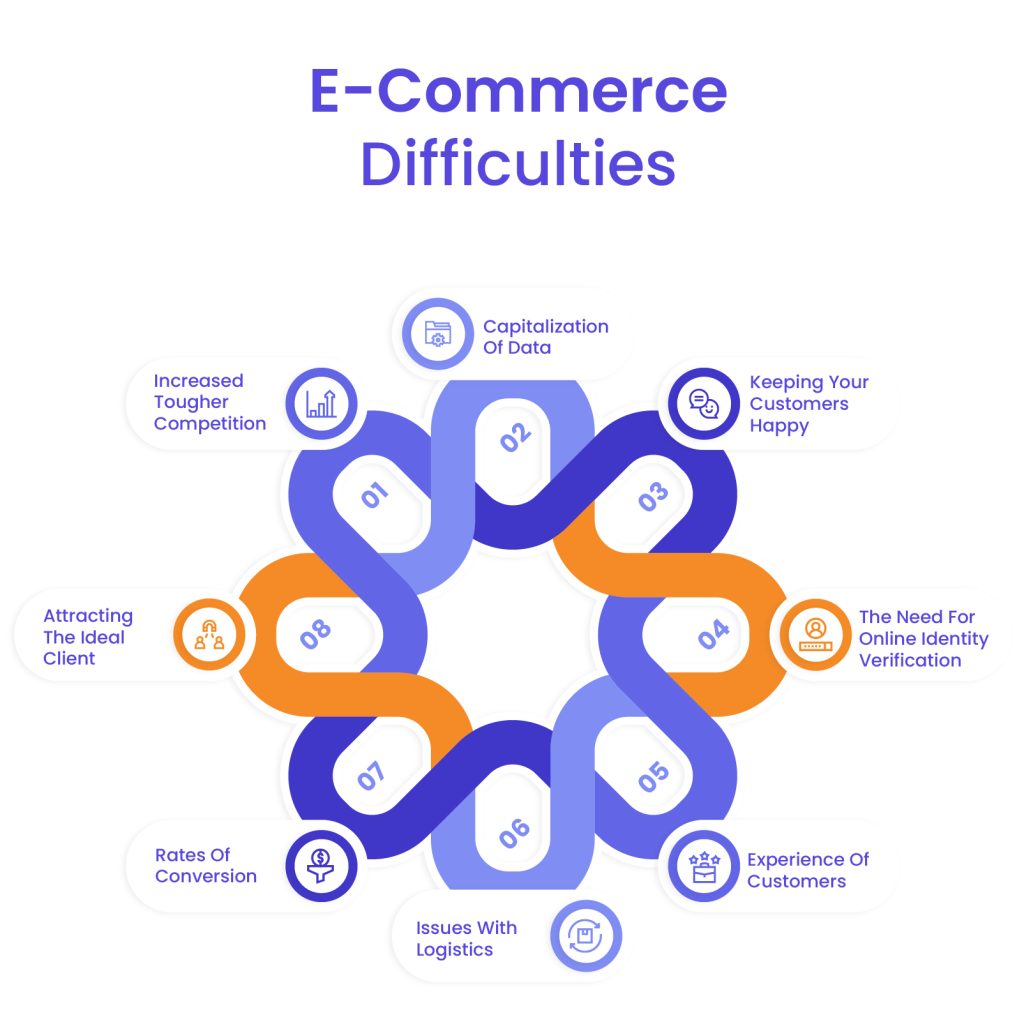
While building a tailored online store offers many advantages, it also comes with its share of challenges. Understanding these hurdles upfront can help businesses prepare and navigate the process more effectively.
- Managing Complexity
Unlike plug-and-play platforms, custom builds often involve complex architecture and unique business logic. Coordinating design, development, integrations, and testing requires clear communication, detailed planning, and strong project management to keep everything aligned. - Avoiding Cost Overruns
One of the biggest risks in any custom project is going over budget. This often happens due to unclear requirements, scope creep, or underestimated development time. To mitigate this, it’s crucial to define detailed specifications early, use phased development, and keep stakeholders involved throughout the process. - Meeting Deadlines
Custom eCommerce solutions can take longer to develop than standard platforms. Delays may arise from design revisions, integration issues, or shifting priorities. Setting realistic timelines, using agile methodologies, and prioritizing features for launch can help keep the project on track.
WooCommerce Development
Boost your digital agency’s offerings with our WooCommerce Development Agency expertise. Learn more about our custom WordPress development services.
Is Custom eCommerce Right for Your Business?
Choosing the right approach for your online store depends on your goals, growth plans, and specific business needs. While custom eCommerce solutions involve a higher upfront investment and longer development time, they offer unmatched flexibility, tailored functionality, and long-term scalability that off-the-shelf platforms often can’t provide.
If your business requires advanced features, seamless integrations, or a highly personalized customer experience, then custom eCommerce development may be the smarter investment. On the other hand, simpler needs might be met with existing platforms – at least in the short term.
Partner with White Label Agency for Your Client’s eCommerce Needs
For agencies navigating these decisions alongside their clients, having a reliable WordPress development partner makes all the difference. At White Label Agency, we specialize in building WordPress websites that meet your clients’ unique requirements while you maintain the client relationship.
With over 100 WordPress specialists on our team, we handle the technical complexities of eCommerce development so you can focus on strategy and client management. Contact us today to discuss how our white label WordPress development services can help you deliver eCommerce solutions without expanding your in-house team.