
- What is Content Marketing?
- What is Content Writing?
- Key Differences Between Content Writing and Content Marketing
- How Content Writing Fits into Content Marketing
- Why Both Are Essential for Success
- Common Misconceptions: Content Writing as Content Marketing
- How to Choose the Right Approach for Your Business
- Tools White Label Agency Uses for Content Writing
- What is the difference between content marketing manager and content writer?
- Content Writing vs Content Marketing: Why You Need Both for Success
- FAQs
The terms content marketing and content writing are often used interchangeably, leading to confusion for many professionals. While they share common goals and methods, these concepts serve different functions within a digital marketing strategy. Content writing focuses on creating compelling, high-quality content, whereas content marketing involves strategically using that content to attract, engage, and convert an audience.
This blog aims to clarify the distinction between content marketing vs content writing, helping you understand how both are essential in building a successful digital marketing strategy. By the end, you will see how these two approaches complement each other, ultimately driving brand growth and customer engagement.
What is Content Marketing?
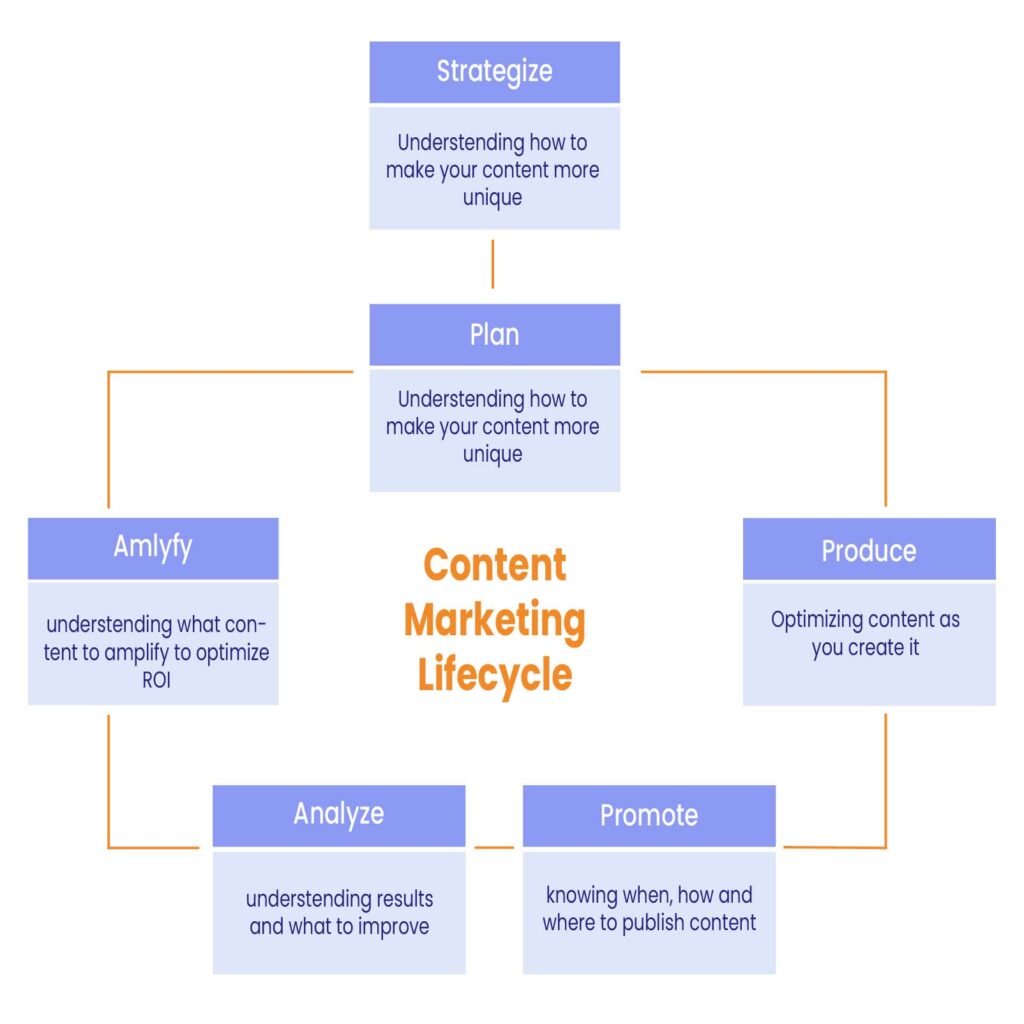
Content marketing is a strategy to attract and retain an audience, by creating and distributing valuable, relevant, and consistent content. Rather than pushing products or services directly, marketing aims to provide helpful information that solves problems, educates, or entertains potential customers. This approach helps build trust, credibility, and brand loyalty over time, making it an essential part of a comprehensive content marketing strategy.
Skills Required for Content Marketing
Effective marketing requires a blend of creativity, analytical skills, and strategic thinking. Marketers must understand their audience, create engaging content strategies, and measure the success of their campaigns. Strong marketing knowledge, including SEO, social media, and email marketing, is also essential to ensure that content reaches and resonates with the intended target audience.
Examples of Content Marketing
A successful example of marketing is HubSpot’s inbound marketing campaign, which uses blogs, eBooks, and webinars to provide valuable insights to marketers. By consistently delivering relevant and helpful information, they have built a loyal audience and increased their customer base, showcasing the difference between marketing and writing – where writing serves as a tool within a larger, strategic effort.
Another great example is Red Bull’s media campaigns that focus on extreme sports content, creating a lifestyle brand that customers engage with beyond their product itself.
What is Content Writing?
Content writing is creating written content that engages, informs, or educates an audience. It plays a fundamental role in marketing by producing actual articles, blog posts, social media updates, and other written content that helps businesses communicate with their target audience. While marketing focuses on the broader strategy, writing is the foundation that brings the strategy to life through clear, engaging language.
Skills Required for Content Writing
Effective writing requires excellent grammar, creativity, and the ability to tailor writing to different audiences and platforms. Writers must understand the marketing goals and develop materials that not only capture attention but also serve the strategic objectives. Research skills, SEO knowledge, and the ability to maintain a consistent voice are critical for success in content writing.
Examples of Content Writing
In the comparison of marketing and writing, consider a blog post about how to improve SEO. The post itself, written by a content writer, provides valuable insights and tips. However, it’s the content strategy that distributes the post across various platforms, encouraging audience engagement. Another example is email newsletters, where the written content is carefully crafted to deliver the right message while aligning with broader marketing goals. Both examples highlight how writing supports the larger strategy of marketing.
Key Differences Between Content Writing and Content Marketing
When comparing content marketing and writing, it’s essential to understand how these two roles function within a digital strategy:
Scope and Strategy
In the comparison of marketing and writing, the primary difference lies in their scope. Content writing focuses on the actual creation of articles, blogs, emails, and other written materials that connect with an audience. Its goal is to deliver high-quality, engaging, and relevant content. On the other hand, marketing encompasses the entire strategy, from planning and creation to distribution and analysis. It involves determining which types of content will be most effective, how to deliver them, and how to measure their impact on business goals.
Goals and Objectives
The goals of writing revolve around informing, entertaining, or persuading the audience through well-crafted written material. A successful piece of content is one that resonates with readers and delivers a message clearly. In contrast, marketing aims to achieve broader business outcomes, such as generating leads, increasing brand awareness, or driving sales. While writing serves as a vital tool, marketing ensures that this content is part of a larger, result-oriented strategy.
Measurement and Metrics
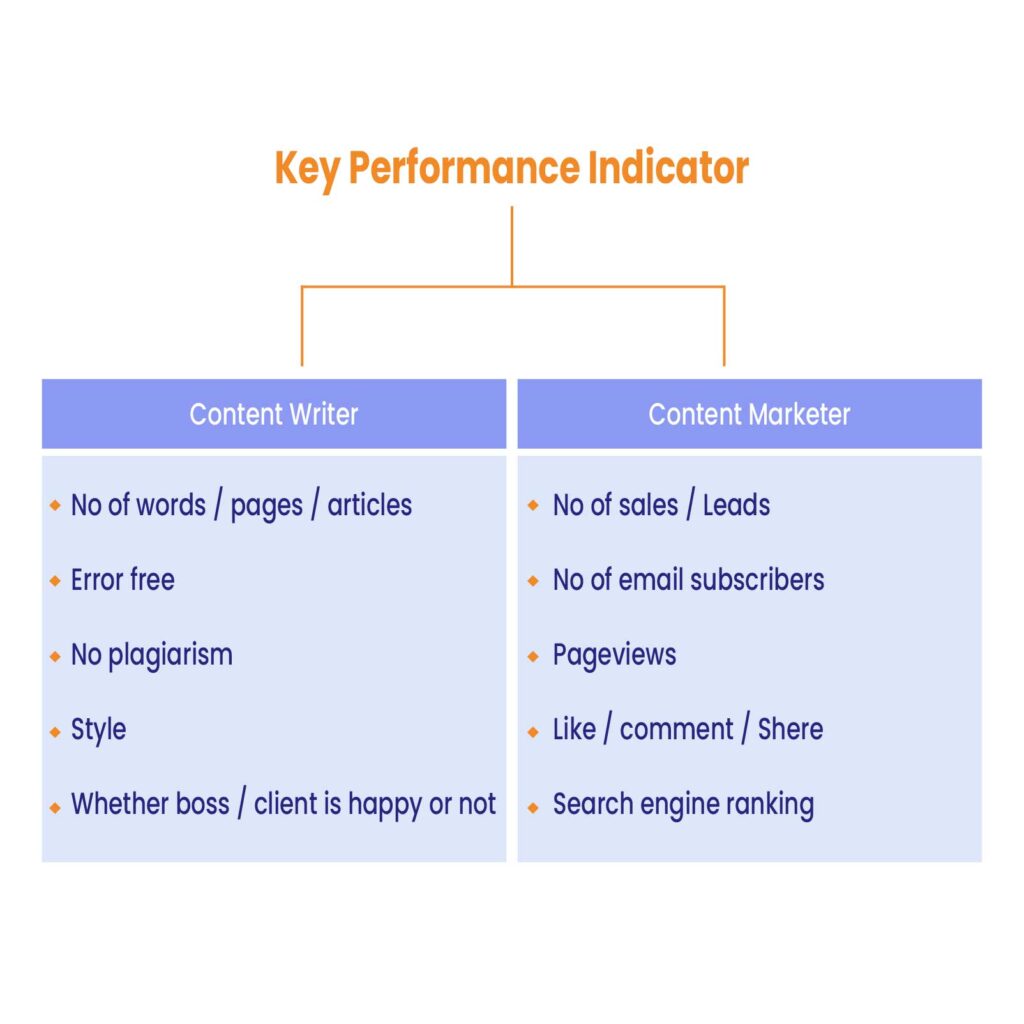
When it comes to measurement, writing metrics often focus on the quality and effectiveness of the content itself – such as readability, engagement rates, and shares. The success of a piece of writing is evaluated based on how well it resonates with the audience. In content marketing, however, the metrics are broader and more focused on achieving business objectives. These include conversion rates, audience growth, and ROI. This shows the distinction, where writing is just one component of a comprehensive marketing strategy that drives measurable outcomes.
How Content Writing Fits into Content Marketing
In the context of marketing and writing, it is clear that writing plays a crucial role within a larger content strategy. Content writing provides a “fuel” that powers the strategy, offering engaging, informative, and persuasive material that attracts and retains an audience. Without high-quality content, marketing strategy lacks substance, as well-written blogs, articles, and social media posts are the vehicles through which key messages are delivered and goals are achieved.
Collaboration Between Content Writers and Marketers
The success of any content strategy depends on seamless collaboration between content writers and marketers. Writers need to understand the objectives and audience to ensure that the content aligns with the overall goals of the marketing plan. Marketers provide the strategic direction, while writers bring it to life with clear, engaging language. This collaboration ensures that the content is not only high-quality but also effectively distributed and aligned with the broader business objectives.
Examples of Integrated Approaches
A successful example of the integration of writing and marketing is Nike’s “Just Do It” campaign, where compelling written content was combined with a broader marketing effort to inspire action and drive engagement.
Another example is Coca-Cola’s “Share a Coke” campaign, where custom-written messages on the bottles sparked a wave of social media engagement, showing how writing and marketing can work together seamlessly to amplify results. Both examples demonstrate how writing can serve as a foundation for a larger, impactful content strategy.
Why Both Are Essential for Success
Without well-crafted writing, a marketing strategy lacks substance, and without a solid marketing plan, even the best content may go unnoticed. Together, they create a powerful duo that drives engagement, builds trust, and delivers results.
Maximizing ROI
To achieve the best return on investment (ROI), it’s essential to invest in both high-quality writing and a well-executed content strategy. Businesses that prioritize both are better equipped to attract their target audience, nurture leads, and convert them into loyal customers. By aligning marketing and writing efforts, companies can ensure that their message resonates with their audience while also achieving measurable business goals like lead generation, increased brand visibility, and higher conversion rates. This integrated approach leads to a more effective, results-driven strategy that maximizes ROI.
Common Misconceptions: Content Writing as Content Marketing
A common misconception is that content writing alone constitutes a full content marketing strategy. While writing is vital for creating valuable, informative material, it is only one part of a larger marketing plan. Effective marketing involves not only writing but also strategic planning, distribution, and analysis to ensure the content reaches and engages the right audience. Simply producing content without a marketing strategy behind it won’t yield the desired business outcomes, such as lead generation or brand awareness.
Content Marketing Without Quality Writing
On the flip side, focusing solely on content strategy without prioritizing high-quality writing can lead to poor results. Even the best marketing strategy will fail if the content itself is weak, unengaging, or irrelevant to the audience. Without well-crafted, valuable content, efforts to distribute and promote it will fall flat, leading to low engagement and missed opportunities. Quality writing is essential to convey key messages effectively and support the overall success of the marketing strategy.
How to Choose the Right Approach for Your Business
Choosing the right approach between writing and a comprehensive content strategy depends on your specific business needs and goals. If your business is simply looking to produce high-quality content – like blog posts, articles, or product descriptions – you might only require professional content writing services. However, if you aim to drive traffic, generate leads, or build brand awareness, a full content strategy that includes planning, distribution, and performance tracking will be more beneficial.
Tailoring Strategies
Once you’ve evaluated your business needs, it’s important to customize your approach based on your goals, target audience, and available resources. For businesses seeking to maximize ROI, investing in both high-quality writing and a strategic marketing plan is essential.
The White Label Agency specializes in offering white-label content and marketing services, allowing you to outsource both aspects without compromising on quality. Whether your business requires standalone writing or a full-service marketing approach, our team of professionals can create a customized solution that aligns with your goals, helping you stay competitive and grow your brand effectively.
Tools White Label Agency Uses for Content Writing
At White Label Agency, we understand the importance of delivering high-quality content that aligns with our clients’ needs and enhances their digital strategies. To ensure we consistently produce top-notch work, we rely on a suite of powerful content writing tools that streamline our processes and help maintain our high standards.
Grammar Checkers
We use tools like Grammarly and ProWritingAid to ensure all client content is error-free and professional. These tools help us maintain clarity and consistency, making sure that our content not only reads well but also meets the high standards expected from a professional agency.
AI Assistants
In our creative work, we use AI assistants like ChatGPT, Perplexity, and Jasper. They help our writers in brainstorming and researching. However, our processes make sure that every piece of content we create is unique, specific, and has value for the readers.
Content Optimization Tools
To ensure that our content performs well on search engines, we incorporate Yoast SEO, Ahref, and Surfer SEO into our workflow. These tools offer real-time content optimization suggestions, helping us create SEO-friendly content that drives organic traffic and ranks higher in search results.
Research and Planning Tools
For strategic content creation, Ahrefs and BuzzSumo are our go-to tools for researching keywords, trending topics, and competitor strategies. Combined with Trello for project management, these tools ensure that we produce data-driven, engaging content while staying organized and on schedule.
By integrating these writing tools into our workflow, White Label Agency can consistently deliver high-quality, optimized content that meets and exceeds client expectations.
What is the difference between content marketing manager and content writer?
The roles of a Content Marketing Manager and a Content Writer may overlap in some areas, but they are distinct in terms of responsibilities, focus, and skills required.
1. Role and Responsibilities
- Content Marketing Manager:
A Content Marketing Manager is responsible for planning, strategizing, and overseeing the execution of content to achieve specific marketing goals. Their tasks often include:- Creating and managing content strategies.
- Analyzing content performance and adjusting strategies.
- Managing a team of content creators, including writers, designers, and videographers.
- Ensuring content aligns with the brand voice and marketing goals.
- Collaborating with SEO specialists, marketers, and social media managers.
- Content Writer:
A Content Writer focuses on creating high-quality written content. Their tasks often include:- Writing blog posts, articles, website copy, email campaigns, and more.
- Conducting research to ensure content is accurate and engaging.
- Optimizing content with SEO best practices.
- Adapting the tone and style to suit the target audience and medium.
- Meeting deadlines and adhering to content briefs provided by managers.
2. Focus
- Content Marketing Manager: Big-picture strategy, project management, and performance metrics. They focus on how content contributes to business goals and oversee the entire content lifecycle.
- Content Writer: The creative and technical aspects of writing. They focus on crafting engaging, informative, and persuasive content tailored to the audience’s needs.
3. Skills Required
- Content Marketing Manager:
- Strategic thinking and leadership.
- Analytics and performance tracking.
- Proficiency with marketing tools like Google Analytics, HubSpot, or SEMrush.
- Communication and collaboration skills to manage teams and coordinate with other departments.
- Content Writer:
- Strong writing and storytelling skills.
- Research and adaptability to various topics.
- SEO knowledge and understanding of audience needs.
- Attention to detail and creativity.
4. Goals
- Content Marketing Manager: The goal is to drive measurable results, such as increased traffic, lead generation, and brand awareness, by leveraging a cohesive content strategy.
- Content Writer: The goal is to produce high-quality content that resonates with readers, supports the content strategy, and enhances engagement.
A Content Marketing Manager develops the roadmap and ensures the content aligns with business objectives, while a Content Writer brings that strategy to life through engaging and impactful writing. Both roles are vital for a successful content marketing strategy.
Content Writing vs Content Marketing: Why You Need Both for Success
In summary, while writing and marketing are often used interchangeably, they serve distinct but complementary roles within a digital marketing strategy. Writing focuses on crafting engaging and valuable material, while marketing encompasses the broader strategy of distributing and promoting content to drive business goals. Both are essential for success – without high-quality writing, a strategy lacks substance, and without a solid marketing plan, even the best content may go unnoticed.
F
FAQs
What is the difference between content and content marketing?
Content refers to any type of information created and shared to inform, entertain, or engage an audience. It can take various forms such as blog posts, videos, infographics, social media posts, eBooks, or podcasts. The primary goal of content is to provide value or communicate a message to the audience.
Content marketing, on the other hand, is a strategic approach that uses content to achieve specific marketing goals. It involves creating, distributing, and promoting content to attract, engage, and retain a clearly defined audience, ultimately driving profitable customer actions. Unlike general content, content marketing focuses on aligning content with the audience’s needs and guiding them through the buyer’s journey.
In short, while content is the “what” (the information you create), content marketing is the “how” and “why” (the strategy behind using that content to meet your goals).
Which is better, digital marketing or content writing?
Neither digital marketing nor content writing is inherently “better” as they serve different purposes and often work together to achieve overarching business goals. Here’s a breakdown to help you decide based on your needs:
Digital Marketing
Digital marketing is a broad strategy that involves promoting products or services using digital channels such as search engines, social media, email, and websites. It encompasses various tactics like SEO, PPC, social media marketing, and email campaigns.
Best for: Businesses looking to generate leads, build brand awareness, and reach a wider audience quickly.
Skills required: Data analysis, campaign management, SEO, social media expertise, and advertising.
Content Writing
Content writing focuses on creating high-quality, engaging, and informative content such as blogs, articles, website copy, and eBooks. It plays a critical role in educating audiences, building trust, and driving organic traffic through SEO.
Best for: Businesses that need to educate their audience, build credibility, and improve long-term SEO rankings.
Skills required: Writing, storytelling, keyword optimization, and audience understanding.
Which One Should You Choose?
If you want immediate results and measurable ROI, digital marketing may be the better choice.
If you aim to build a long-term organic presence and establish authority in your niche, content writing is essential.
The Best Solution: Combine both! Digital marketing strategies often rely on strong content writing to succeed, as content is the foundation of SEO, email marketing, and social media campaigns. A balanced approach ensures you get the benefits of both worlds.
What is the difference between marketing and writing?
Marketing and writing are two distinct activities, but they often overlap, especially in the context of content creation. Here’s a breakdown of their differences:
1. Purpose
Marketing: The primary goal of marketing is to promote a product, service, or brand to attract, engage, and convert customers. It involves strategies and tactics aimed at achieving business objectives like sales, lead generation, or brand awareness.
Writing: Writing is the act of creating text for communication, expression, or information sharing. The purpose of writing can vary widely, from storytelling and education to documentation and entertainment.
2. Focus
Marketing: Focuses on the audience’s needs, preferences, and behaviors. It requires understanding market trends, analyzing data, and crafting messages that drive specific actions.
Writing: Focuses on the clarity, structure, and creativity of the text itself. Writers prioritize conveying ideas effectively and engaging readers through language.
3. Skills Involved
Marketing: Involves skills like strategic planning, market research, data analysis, and using tools like SEO, PPC, or email automation.
Writing: Involves skills like grammar, storytelling, tone, and style, along with understanding the target audience for effective communication.
4. End Goal
Marketing: The end goal is to influence actions, such as making a purchase, signing up for a newsletter, or engaging with a brand.
Writing: The end goal is to communicate ideas, entertain, educate, or inform, though it can support marketing goals when used strategically.
Key Takeaway
While writing focuses on the creation of content, marketing leverages that content (and other methods) to achieve specific business outcomes. In marketing, writing serves as a tool to communicate the brand’s message effectively. Both are essential and complementary, particularly in content marketing.