


- What is WooCommerce?
- 8 Core Features of WooCommerce
- The WooCommerce Ecosystem
- 5 Benefits of WooCommerce
- WooCommerce Security and Performance Optimization
- WooCommerce SEO Best Practices
- WooCommerce Customization and Development
- WooCommerce Extensions for Advanced Features
- WooCommerce Case Studies and Success Stories
- WooCommerce vs Other eCommerce Platforms
- WooCommerce Future Trends and Innovations
- Conclusion: What Is WooCommerce and Why It Is Your Ideal eCommerce Solution
You have a dream of starting your own online store: maybe you’re a small business owner, an ambitious entrepreneur, or a developer looking to help clients scale their businesses. You want a solution that’s simple to set up, yet powerful enough to grow alongside your vision. Enter WooCommerce – the eCommerce platform trusted by millions worldwide.
WooCommerce isn’t just another plugin; it’s the backbone of over 27% of all online stores. Its success comes from its unique blend of flexibility, affordability, and scalability. As an open-source WordPress plugin, WooCommerce allows businesses of all sizes to create fully customizable, feature-rich online stores. Whether you’re selling handmade crafts, digital products, or enterprise-level inventory, WooCommerce grows with you.
What makes WooCommerce stand out are its powerful WooCommerce features. From seamless product management and flexible payment options to extensive customization and third-party integrations, it offers everything needed to build a robust online store. Business owners love it for its cost-effectiveness and ease of use. Developers value the ability to tweak every inch of the store, while agencies rely on its scalability to deliver tailored eCommerce solutions for their clients.
In this guide, we’ll break down what is WooCommerce, how to set it up, tailor it for performance and design, secure it against threats, and scale it to match your business growth. Whether you’re taking your first steps into online sales or refining an existing store, this comprehensive guide will equip you with the knowledge to unlock WooCommerce’s full potential.
What is WooCommerce?
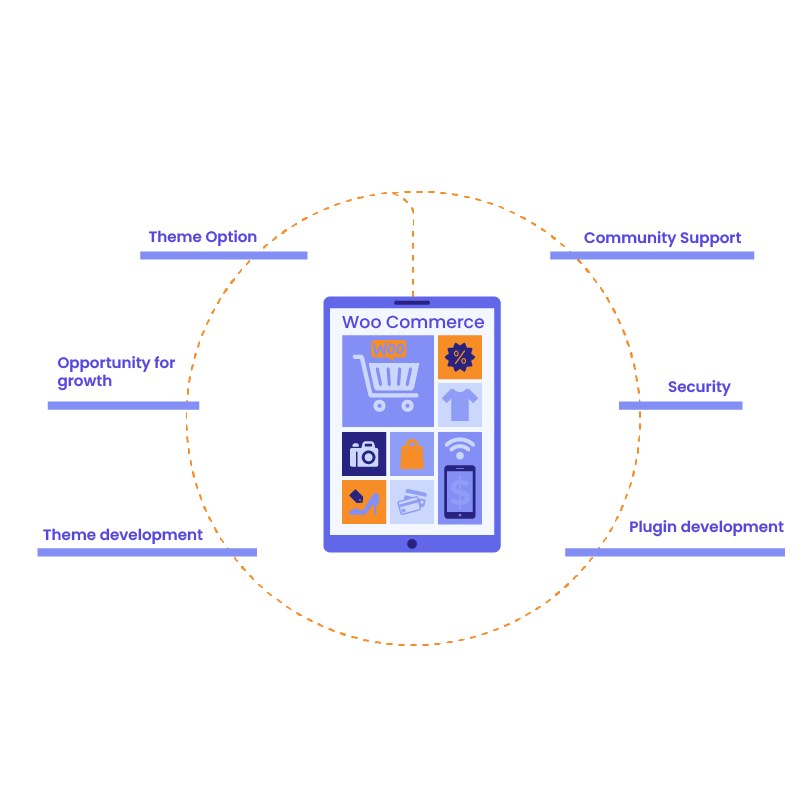
WooCommerce is a powerful eCommerce plugin built specifically for WordPress, the world’s most popular content management system (CMS). This seamless WooCommerce integration allows users to transform their WordPress website into a fully functional online store with just a few clicks. By leveraging WordPress’s flexibility, WooCommerce offers unmatched control over your site’s design, functionality, and content.
Global Popularity and Market Share
With over 5 million active installations, WooCommerce dominates the eCommerce industry with a 27% global market share. Its extensive popularity stems from its user-friendly interface, scalability, and vast ecosystem of themes, plugins, and extensions. Whether you are an entrepreneur launching your first store or a large enterprise managing complex inventories, WooCommerce is a proven solution that caters to businesses of all sizes.
Unique Selling Points
WooCommerce’s unique value lies in its open-source nature, offering unmatched customizability. Unlike other platforms that lock users into rigid frameworks, WooCommerce allows developers to modify everything – from product pages to checkout processes – using code, plugins, and custom-built solutions. Its expansive library of WooCommerce extensions further extends the platform’s functionality, enabling features such as subscriptions, bookings, multi-vendor capabilities, and advanced analytics.
Key WooCommerce Features:
- Seamless WordPress Integration: Leverage the power of WordPress for your content and store management.
- Customization: Modify every aspect of your store with themes, plugins, and custom code.
- Scalability: From small startups to large enterprises, WooCommerce scales effortlessly.
- WooCommerce Security: Built-in tools, paired with plugins like Wordfence and SSL support, ensure robust security.
- Extensions and Plugins: Enhance your store with thousands of extensions for payments, shipping, marketing, and analytics.
Who Should Use WooCommerce?
WooCommerce is the ideal solution for:
- Small and Medium-Sized Businesses (SMBs): Its cost-effective, scalable features make it perfect for startups and growing businesses.
- Entrepreneurs: Easy setup and flexibility allow individuals to launch stores quickly and affordably.
- Large Enterprises: With robust customization and WooCommerce integration, enterprises can create tailored solutions for complex operations.
- Agencies and Developers: WooCommerce’s open-source structure and vast ecosystem enable developers to build and manage eCommerce stores for clients seamlessly.
In summary, WooCommerce is more than just a plugin – it’s a flexible, scalable, and secure eCommerce solution that caters to businesses of all types and sizes. With its powerful features and extensions, it’s no wonder WooCommerce continues to lead the global eCommerce market.
8 Core Features of WooCommerce
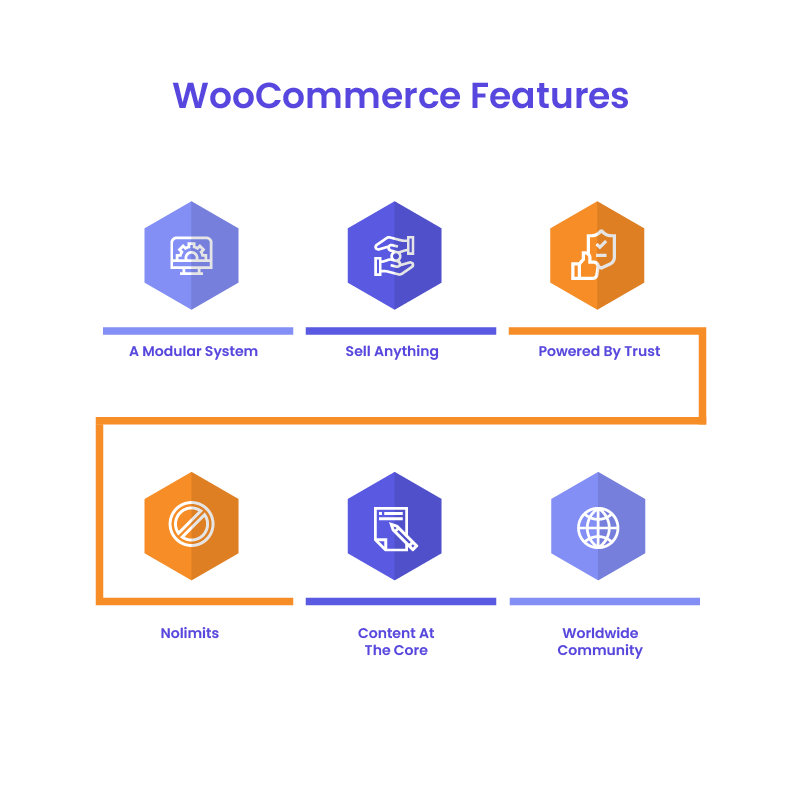
After explaining what is WooCommerce, let’s have a look at its main features. WooCommerce stands out in the crowded eCommerce landscape by offering a wide range of essential features designed to cater to businesses of all sizes. Let’s explore the key WooCommerce features that make it a top choice for online stores:
Product Management
Whether you’re selling physical products, digital downloads, subscriptions, or bookings, WooCommerce provides robust tools to manage your inventory effortlessly. Its intuitive interface lets you create detailed product listings with custom attributes, categories, and variations.
Payment Gateway Integrations
WooCommerce supports seamless integration with popular payment gateways such as PayPal, Stripe, Square, and more. These integrations ensure secure and flexible payment options for your customers, enhancing their shopping experience.
Shipping Options and Configurations
With WooCommerce, you can set up multiple shipping methods, including flat rate, free shipping, or real-time carrier calculations. The platform also supports zone-based shipping configurations, making it easy to cater to customers worldwide.
Inventory Management
Efficient inventory management is a breeze with WooCommerce. Track stock levels, receive low-stock alerts, and enable automatic stock updates to ensure you never miss a sale due to inventory issues.
Tax Calculation and Management
WooCommerce simplifies tax management with automatic tax calculation features. It supports multiple tax rates and jurisdictions, ensuring compliance with regional regulations.
Customizable Checkout Process
The checkout process is fully customizable, allowing businesses to streamline the user journey and reduce cart abandonment rates. From adding custom fields to integrating with third-party tools, WooCommerce offers unmatched flexibility.
SEO-Friendly Structure
WooCommerce is built with SEO best practices in mind. Its compatibility with WordPress SEO plugins like Yoast and Rank Math ensures that your online store ranks well on search engines.
Reporting and Analytics
Track your store’s performance with built-in reporting and analytics tools. Get insights into sales trends, customer behavior, and product performance to make informed business decisions.
By offering these comprehensive features, WooCommerce ensures that businesses have all the tools needed to build, manage, and grow their online stores effectively. Whether you’re wondering what is WooCommerce or exploring its extensive capabilities, these core features showcase why it remains a leading choice for eCommerce success.

The WooCommerce Ecosystem
The WooCommerce ecosystem is expansive, offering a wide range of tools, plugins, and resources to help users create and optimize their online stores. Let’s explore the key components of this ecosystem:
Themes and Extensions
WooCommerce supports a diverse selection of both free and premium themes, allowing businesses to design stores that align with their brand identity. Additionally, the platform boasts thousands of WooCommerce extensions that add advanced functionalities such as subscriptions, memberships, and advanced shipping options.
WooCommerce Marketplace
The official WooCommerce Marketplace is a treasure trove of plugins and extensions designed to enhance your store. From marketing tools to inventory management solutions, you can find everything you need to create a feature-rich online store. The marketplace also includes customer reviews and detailed descriptions to help you choose the right tools for your business.
Integration with Popular WordPress Plugins
WooCommerce seamlessly integrates with many popular WordPress plugins, such as:
- SEO Plugins: Yoast SEO and Rank Math to optimize your store for search engines.
- Caching Plugins: WP Rocket and W3 Total Cache to improve site speed and performance.
- Security Plugins: Wordfence and Sucuri to ensure robust protection against cyber threats.
WooCommerce vs. Competitors
When comparing WooCommerce to competitors like Shopify, Magento, and BigCommerce, its unique strengths stand out:
- Customizability: As an open-source platform, WooCommerce offers unparalleled customization options compared to Shopify’s and BigCommerce’s more rigid structures.
- Pricing: WooCommerce is free to use, with costs arising only for hosting and premium plugins, making it more cost-effective than Magento’s enterprise-level pricing.
- Scalability: WooCommerce scales seamlessly with your business, supporting small stores and complex enterprise-level operations alike.
By leveraging the vast WooCommerce ecosystem, users can create a tailored eCommerce experience that meets their unique needs while staying competitive in the ever-growing online marketplace.

5 Benefits of WooCommerce
Now that we know what is WooCommerce, let’s talk about its benefits. WooCommerce stands out as an eCommerce solution not only for its features but also for the numerous advantages it provides to businesses. Here’s how WooCommerce creates value:
Cost Efficiency
One of WooCommerce’s most significant advantages is its cost efficiency. Unlike SaaS platforms that charge monthly fees, WooCommerce is free to use, with costs arising only from hosting, domain registration, and premium plugins. This makes it a budget-friendly option for small businesses and startups. Additionally, its lower ongoing maintenance costs provide a clear edge over competitors, ensuring maximum ROI.
Customizability
With WooCommerce, businesses enjoy unparalleled design freedom. The platform supports a wide range of themes and plugins, enabling users to create unique online stores that reflect their brand identity. Developers appreciate the platform’s open-source nature, which allows for advanced customizations. From tweaking product pages to creating bespoke functionalities, WooCommerce ensures that no two stores are alike.
Ownership and Control
WooCommerce offers full ownership and control over your store and data, an important factor for businesses that value independence. Unlike SaaS platforms, which can lock users into their ecosystem, WooCommerce allows businesses to host their sites anywhere and retain control over critical data. This flexibility prevents platform lock-in and ensures long-term scalability.
Scalability
WooCommerce is designed to grow with your business. Whether you’re running a small shop or managing an enterprise-level operation, the platform scales effortlessly. Its extensive library of WooCommerce extensions ensures that you can add functionalities as your needs evolve, from advanced inventory management to multi-channel selling.
Community Support
As an open-source platform, WooCommerce benefits from a vibrant community of developers, designers, and users. This community-driven approach provides businesses with access to countless resources, tutorials, and forums. Additionally, professional support options are available for those who require expert assistance. The availability of reliable WooCommerce security plugins and guides further enhances the platform’s appeal.
By combining cost efficiency, customizability, ownership, scalability, and community support, WooCommerce provides a holistic eCommerce solution for businesses of all sizes. These benefits underscore why WooCommerce remains a dominant force in the eCommerce landscape.

WooCommerce Security and Performance Optimization
Ensuring your WooCommerce store is secure and performs optimally is critical for business success. Let’s explore key strategies for safeguarding and enhancing your WooCommerce store:
Security Best Practices
- SSL Certificates: Secure your site and protect customer data by implementing SSL encryption. This not only builds trust but is also crucial for complying with industry standards.
- Security Plugins: Leverage powerful WooCommerce security plugins like Wordfence and Sucuri to monitor and defend your store against cyber threats.
- Two-Factor Authentication (2FA): Enhance login security by enabling 2FA for all administrative accounts.
Performance Optimization
- Caching and Content Delivery Networks (CDNs): Use caching plugins such as WP Rocket and integrate CDNs to deliver faster load times for your customers.
- Image Compression and Lazy Loading: Optimize images using tools like Smush or TinyPNG to reduce page weight and enable lazy loading for a smoother browsing experience.
- Database Optimization: Regularly clean and optimize your database to maintain peak performance, particularly for larger stores.
Hosting Recommendations
Choosing the right hosting provider is key to maintaining WooCommerce performance and reliability. Consider the following options:
- Managed WooCommerce Hosting: Providers like Kinsta and SiteGround specialize in WooCommerce, offering optimized servers, automated backups, and expert support tailored for eCommerce stores.
- Shared Hosting: While cost-effective, shared hosting may lack the scalability and performance needed for growing stores. It’s better suited for small or beginner stores with low traffic.
By following these security and performance best practices, you can ensure your WooCommerce store remains reliable, fast, and safe for your customers. These steps, combined with robust WooCommerce integration and the flexibility of WooCommerce extensions, will help you deliver an exceptional eCommerce experience.

WooCommerce SEO Best Practices
Optimizing your WooCommerce store for search engines is crucial for driving traffic and increasing sales. Here are the key WooCommerce SEO best practices to follow:
SEO-Friendly URLs and Permalinks
Ensure that your URLs are clean, readable, and descriptive. WooCommerce allows you to customize permalinks for products and categories, making it easier for search engines to understand your site structure.
Meta Tags, Product Descriptions, and Keyword Optimization
Use compelling meta titles and descriptions that include relevant keywords. Write detailed product descriptions that highlight features and benefits while incorporating target keywords naturally. This boosts both user engagement and search rankings.
Integration with SEO Plugins
Take advantage of WooCommerce integration with popular SEO plugins like Yoast SEO and Rank Math. These tools guide you in optimizing on-page elements, generating XML sitemaps, and analyzing keyword performance.
Optimizing for Mobile
Ensure your WooCommerce store is mobile-friendly with a responsive design. A significant portion of eCommerce traffic comes from mobile devices, and search engines prioritize mobile-optimized sites in their rankings.
Structured Data for eCommerce
Implement structured data using schema.org markup to help search engines understand your store’s content better. Add structured data for products, reviews, and pricing to enhance visibility in search results.
By implementing these WooCommerce SEO best practices, you can significantly improve your store’s visibility, attract more customers, and drive higher conversions. Combined with robust WooCommerce features and tools, these strategies ensure long-term success for your online store.
WordPress Outsourcing Services
Enhance your agency’s capabilities with our WordPress outsourcing services. Get expert development, design, and maintenance support tailored to your needs.
WooCommerce Customization and Development
Taking your WooCommerce store to the next level often requires customizations and advanced development. Here are the key areas where developers can elevate WooCommerce functionality:
Custom Theme Development
Create a unique shopping experience by building or modifying WooCommerce themes. Developers can use WordPress coding standards and tools like PHP and CSS to design fully customized themes that align with the brand identity. Additionally, WooCommerce offers starter themes like “Storefront” to streamline the development process.
WooCommerce Hooks and Filters
Hooks and filters are integral parts of WooCommerce’s flexibility. They allow developers to add, remove, or modify functionalities without altering core files. For instance, hooks can be used to customize product pages or checkout workflows, enhancing user experience.
Advanced Custom Fields
Expand your product pages with extra fields using tools like Advanced Custom Fields (ACF). This allows businesses to add unique attributes such as size guides, warranty details, or technical specifications, giving customers more valuable information at a glance.
API Integrations
Connect WooCommerce with external tools like ERP, CRM, or inventory management systems through its robust REST API. This enables seamless data transfer, improving operational efficiency and enabling features like automated order processing or customer segmentation.
By leveraging these customization and development techniques, developers can unlock the full potential of WooCommerce features. The platform’s open-source nature and extensive ecosystem of WooCommerce extensions make it a favorite among developers looking to create tailored eCommerce solutions. Combined with strong WooCommerce security practices, these customizations ensure a reliable and scalable store for businesses of all sizes.
WooCommerce Extensions for Advanced Features
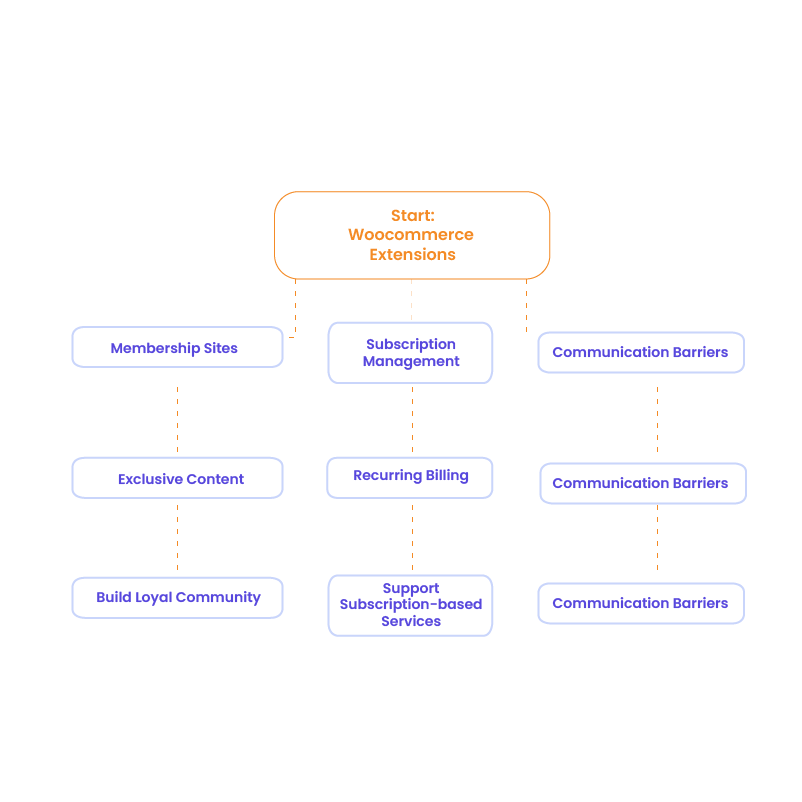
WooCommerce is renowned for its flexibility and scalability, thanks to its extensive library of WooCommerce extensions. These extensions enable businesses to unlock advanced functionalities, enhancing the overall shopping experience for customers and streamlining operations for store owners. Here’s an overview of key WooCommerce extensions that can elevate your online store.
Popular Extensions: Membership Sites, Subscription Management, Bookings, and Appointments
One of the most powerful WooCommerce features is its ability to transform your store into more than just a marketplace. Popular extensions include:
- Membership Sites: Tools like WooCommerce Memberships allow you to create exclusive content and products for members, ideal for building a loyal community around your brand.
- Subscription Management: The WooCommerce Subscriptions extension enables recurring billing for products or services, perfect for businesses offering subscription boxes, software, or memberships.
- Bookings and Appointments: Extensions like WooCommerce Bookings let you manage reservations for hotels, events, or services, providing a seamless booking experience directly from your site.
These advanced WooCommerce extensions make it easy to cater to diverse business models without needing additional platforms.
Shipping Extensions: Multi-Carrier Shipping, Live Rates, Zone-Based Shipping
WooCommerce simplifies the complexities of shipping with dedicated extensions that cater to a global audience:
- Multi-Carrier Shipping: Integrate carriers like UPS, FedEx, and DHL to provide multiple delivery options, allowing customers to choose their preferred service.
- Live Rates: Real-time shipping rates ensure accurate pricing based on the customer’s location, weight, and dimensions of products.
- Zone-Based Shipping: Define shipping rules by geographical zones, making it easy to customize delivery fees for local, regional, or international customers.
These WooCommerce features ensure your store remains competitive by offering convenience and transparency in shipping options.
Marketing and Automation Tools
Streamline your marketing efforts and recover lost sales with WooCommerce integration for marketing and automation tools:
- Email Marketing Integration: WooCommerce seamlessly connects with platforms like MailChimp and Klaviyo, enabling targeted campaigns personalized emails, and post-purchase follow-ups.
- Abandoned Cart Recovery: Extensions like Jilt or CartBounty automatically send reminders to customers who leave items in their cart, helping boost conversions.
These tools save time while ensuring your marketing efforts are data-driven and effective.
WooCommerce Multilingual: Create a Multilingual Store
Expanding into international markets is made simple with WooCommerce extensions designed for multilingual stores. Plugins like WPML and Polylang enable you to translate your store into multiple languages, ensuring a seamless shopping experience for global customers.
- WPML Integration: Translate every element of your site, including product descriptions, categories, and checkout pages.
- Polylang for WooCommerce: Enable easy language switching for customers, ensuring accurate localization without compromising on functionality.
These WooCommerce integration options empower you to create a multilingual store that caters to diverse audiences, boosting accessibility and sales potential.
By leveraging these advanced WooCommerce features and extensions, you can tailor your store to meet the unique needs of your business and customers, ensuring scalability and success in the competitive eCommerce landscape.

WooCommerce Case Studies and Success Stories
WooCommerce has empowered businesses across industries to build successful online stores, offering a unique blend of flexibility, scalability, and affordability. Let’s explore some real-world examples of successful WooCommerce stores, how they customized and scaled their operations, and the challenges they overcame.
Real-World Examples of Successful WooCommerce Stores
- Allbirds (Footwear Industry)
Allbirds, a sustainable footwear brand, utilized WooCommerce’s customization capabilities to create an aesthetically appealing and user-friendly online store. They leveraged seamless product navigation and integrated WooCommerce extensions to manage their inventory effectively while promoting their sustainability mission. - Root Science (Beauty and Skincare)
This skincare brand transformed its WordPress website into a WooCommerce-powered store, offering curated product bundles and subscription services. By utilizing WooCommerce Subscriptions, they ensured steady recurring revenue while delivering personalized shopping experiences. - Untuckit (Fashion and Apparel)
Untuckit capitalized on WooCommerce’s scalability to expand its eCommerce presence globally. The store integrates advanced WooCommerce features like multilingual plugins and dynamic pricing strategies to cater to international customers while maintaining a cohesive brand identity.
Woocommerce Developer
Streamline your Woocommerce projects by hiring a Woocommerce developer from our team. We’ve got you covered for your ecommerce projects.
WooCommerce vs Other eCommerce Platforms
Since we have already learned what is WooCommerce plugin and what are its main advantages, let’s compare it with other platforms. Below, we compare WooCommerce with these popular platforms based on key factors to help you make an informed decision.
Shopify vs WooCommerce: Ease of Use, Flexibility, and Costs
- Ease of Use
- Shopify: Designed for simplicity, Shopify provides a fully hosted, user-friendly interface. It’s ideal for beginners who want to set up a store quickly without managing technical aspects.
- WooCommerce: While WooCommerce requires some familiarity with WordPress, its flexibility and extensive WooCommerce integration options make it a favorite among users who want more control over their store’s design and functionality.
- Flexibility
- Shopify: Offers limited customization through themes and apps but restricts advanced modifications.
- WooCommerce: As an open-source platform, WooCommerce allows you to customize every element of your store, from themes and WooCommerce extensions to checkout workflows and product pages.
- Costs
- Shopify: Charges monthly subscription fees and transaction fees unless you use Shopify Payments, which can increase costs for growing stores.
- WooCommerce: Free to use, with costs arising from hosting, domain registration, and premium plugins, making it a more budget-friendly option.
Magento vs WooCommerce: Customizability, Scalability, and Complexity
- Customizability
- Magento: Known for its robust features, Magento offers extensive customization options but requires advanced technical skills and resources.
- WooCommerce: Offers similar customizability with less complexity, making it accessible for both developers and small businesses.
- Scalability
- Magento: Better suited for enterprise-level stores with large inventories and high traffic. Its scalability often comes with higher development and maintenance costs.
- WooCommerce: Scales effortlessly with the help of hosting upgrades and WooCommerce extensions, making it ideal for small to medium-sized businesses as well as growing enterprises.
- Complexity
- Magento: Has a steep learning curve and requires significant development expertise to manage effectively.
- WooCommerce: Easier to set up and manage, especially for users already familiar with WordPress.
BigCommerce vs WooCommerce: Speed, SaaS Model vs Self-Hosted
- Speed
- BigCommerce: Offers fast, reliable performance as a SaaS platform, with servers optimized for eCommerce.
- WooCommerce: Speed depends on your hosting provider, but performance optimization through caching plugins and WooCommerce security measures ensures competitive load times.
- SaaS Model vs Self-Hosted
- BigCommerce: Operates on a SaaS (Software-as-a-Service) model, handling hosting, security, and updates automatically.
- WooCommerce: Self-hosted, giving users full control over their store but requiring them to manage hosting, security, and updates independently.

WooCommerce Future Trends and Innovations
As eCommerce evolves, WooCommerce continues to adapt, embracing cutting-edge technology and forward-thinking practices to meet the demands of modern businesses and consumers. Let’s explore the WooCommerce features and innovations shaping the platform’s future.
Gutenberg and WooCommerce: How the Block Editor is Changing WooCommerce
The integration of Gutenberg, WordPress’s block editor, is revolutionizing the way users design and manage WooCommerce stores.
- Enhanced Store Customization: With Gutenberg, users can create dynamic product pages, landing pages, and category layouts using drag-and-drop functionality. This eliminates the need for complex coding, making WooCommerce more accessible to non-technical users.
- Improved Content Management: The block editor enables seamless integration of rich content like videos, galleries, and testimonials directly into product pages, enhancing the shopping experience.
- WooCommerce Extensions Compatibility: Gutenberg blocks are increasingly compatible with popular WooCommerce extensions, ensuring advanced functionalities like booking systems and subscription forms are easily integrated into block-based designs.
AI and Automation: Integrating AI Tools for Personalized Shopping Experiences
Artificial Intelligence (AI) is transforming eCommerce, and WooCommerce integration with AI tools is leading the charge.
- Personalized Recommendations: AI-powered plugins like WooCommerce AI Assistant analyze customer behavior to deliver tailored product recommendations, boosting conversions and average order value.
- Chatbots and Virtual Assistants: Integrate AI chatbots to provide real-time customer support and streamline the shopping journey. These tools help resolve queries, suggest products, and even assist with checkout processes.
- Predictive Analytics: Leverage AI to analyze sales trends, predict demand, and optimize inventory management for better decision-making.
Mobile Commerce: PWA (Progressive Web Apps) Integration with WooCommerce
With mobile commerce dominating the eCommerce landscape, WooCommerce is adopting PWA (Progressive Web App) technology to enhance mobile shopping experiences.
- Faster Load Times: PWAs ensure lightning-fast performance on mobile devices, reducing bounce rates and improving user satisfaction.
- Offline Accessibility: PWAs allow customers to browse products and access their carts even without an internet connection, ensuring uninterrupted shopping experiences.
- Native App Feel: By integrating WooCommerce with PWA plugins like SuperPWA or PWA for WP, stores can offer app-like functionality without the need for costly app development.
Sustainability in eCommerce: WooCommerce’s Approach to Environmentally Friendly Business Models
As sustainability becomes a priority for businesses and consumers, WooCommerce is aligning its platform with eco-conscious practices.
- Digital Products and Virtual Services: WooCommerce supports digital downloads and virtual products, reducing the environmental footprint associated with physical goods.
- Sustainable Shipping Solutions: Integrate shipping plugins that offer carbon-neutral shipping options or optimize delivery routes to reduce emissions.
- Eco-Friendly WooCommerce Extensions: Leverage plugins designed for sustainable practices, such as those that promote recycling initiatives or support donations to environmental causes at checkout.
- Green Hosting Options: WooCommerce users can choose hosting providers like GreenGeeks, which prioritize renewable energy, to minimize their store’s carbon footprint.

Conclusion: What Is WooCommerce and Why It Is Your Ideal eCommerce Solution
By embracing trends like Gutenberg blocks, AI, mobile-first technology, and sustainability, WooCommerce continues to lead the eCommerce industry. These innovations ensure that WooCommerce remains not only a powerful platform for online stores but also a future-proof solution for businesses striving to stay ahead of the curve. With its robust WooCommerce features, cutting-edge WooCommerce extensions, and adaptable WooCommerce integration, the platform is well-equipped to meet the demands of tomorrow’s eCommerce landscape.
WooCommerce has solidified its place as one of the most popular eCommerce platforms globally, thanks to its unmatched flexibility, scalability, and affordability. Whether you’re just starting or looking to scale your business, WooCommerce offers the tools and features you need to succeed.
From its seamless WordPress integration to a vast library of WooCommerce extensions, the platform empowers businesses of all sizes to create custom online stores that grow with their needs. Its open-source nature ensures you’re never locked into rigid systems, giving you full control over your store’s functionality and data.
For those wondering what is WooCommerce, it’s more than just an eCommerce plugin – it’s a comprehensive solution that supports innovative designs, advanced features, and endless customizations. With WooCommerce, you can:
- Build a unique store that reflects your brand identity.
- Scale effortlessly with a growing business.
- Leverage cutting-edge trends like AI, mobile commerce, and sustainable practices.
If you’re ready to take the next step, now is the perfect time to explore what WooCommerce can do for your online store. Whether you’re looking to launch your first store or enhance an existing one, WooCommerce provides the foundation for success. Contact White Label Agency’s WooCommerce expert developers today to discuss your specific needs, or dive right in and start building your store. With WooCommerce, the possibilities are endless!


