


- 1. Resource Management
- WordPress Outsourcing Services
- 2. Operational Inefficiencies
- 3. Difficulty Generating Consistent Leads
- 4. Standing Out in a Competitive Market
- 5. Talent Acquisition and Retention
- 6. Managing Client Expectations
- 7. Adapting to Technological Change
- 8. Budget Constraints and Financial Pressure
- 9. Workload and Deadline Management
- 10. Demonstrating ROI and Agency Value
- 11. Scaling Effectively Without Compromising Quality
- Hire a WordPress Designer
- 13 Common Challenges Agencies Face (And Proven Ways to Overcome Them)
- 12. Dealing with Client Churn
- 13. Effective Internal Communication
- Conclusion
Running a successful agency means handling multiple projects while delivering great results for your clients. Whether you’re a small digital agency or a growing marketing firm, you’ve probably faced the same problems that challenge agencies everywhere. From tight budgets to difficult clients, these issues can stop even the best agencies from growing.
The good news is that every challenge has a solution. We’ve worked with hundreds of marketing agencies facing these exact problems, and we’ve found the most effective ways to solve them. This guide covers 13 of the most common challenges that agencies face and gives you practical solutions you can use right away to improve your operations and grow faster.
1. Resource Management

The Issue: You don’t have enough money or staff to grow your agency.
You’re stuck in a frustrating cycle: you need more people and resources to take on bigger projects, but you need bigger projects to afford more people and resources. Your current team works long hours just to keep existing clients happy. This creates problems where work quality drops, your team gets burned out, and growth stops.
How to Fix It
Create a Smart Budget. Look at where your money goes each month. Put your expenses into three groups:
- Must-have costs (rent, salaries, essential software)
- Growth investments (marketing, new tools, training)
- Nice-to-have items (expensive office perks, premium subscriptions you rarely use)
Cut the nice-to-haves first. Put your limited money toward things that directly help clients or bring in revenue.
Look for White-Label Service Providers for Specialized Work. Instead of hiring an in-house developer or designer, work with a trusted partner who can deliver quality work under your brand name. You get expert skills without the cost of full-time employees and benefits.
WordPress Outsourcing Services
Enhance your agency’s capabilities with our WordPress outsourcing services. Get expert development, design, and maintenance support tailored to your needs.
Automate Repetitive Tasks. Invest in tools that handle boring, repetitive work automatically. Project management software, automated reports, and client communication tools save your team hours each week. The money you spend on these tools usually pays for itself quickly through better efficiency.
Recommendation
Check out our white paper on how to reduce costs as a marketing agency.
2. Operational Inefficiencies
The Issue: Outdated processes slow down your team and waste time.
Your agency still does things the way you did them three years ago, even though you’ve grown significantly. Team members spend too much time on manual tasks, information gets lost between departments, and simple projects take longer than they should. These inefficiencies cost you money and frustrate both your team and clients.
How to Fix It
- Review your current processes monthly. Set up regular check-ins to identify what’s not working. Ask your team where they’re getting stuck or spending too much time.
- Choose the right project management tool. Pick one system and stick with it. Popular options include Asana, Trello, or Monday.com. The key is getting everyone to actually use it consistently.
- Switch to agile working methods. Instead of planning entire projects upfront, work in short sprints. This helps you catch problems early and adjust quickly when clients change their minds.
3. Difficulty Generating Consistent Leads
The Issue: Your new client pipeline is unpredictable, making it hard to plan and grow.
Some months you’re turning away prospects, other months you’re struggling to find work. This inconsistency makes it impossible to hire confidently, invest in growth, or even sleep well at night. This problem of irregular income is one of the common challenges that agencies face.
How to Fix It
| Strategy | Time to See Results | Best For |
| Content marketing + SEO | 3-6 months | Agencies wanting long-term, passive lead generation |
| Referral programs | 1-2 months | Agencies with happy existing clients |
| Partnership networks | 2-4 months | Agencies looking to expand service offerings |
| LinkedIn outreach | 2-4 weeks | B2B agencies with specific target markets |
Action Steps:
- Define your ideal client clearly: Write down exactly who you serve best, including industry, company size, and budget range
- Create valuable content regularly: Share insights about common problems your clients face
- Ask happy clients for referrals: Most satisfied clients will refer you if you simply ask
- Partner with complementary businesses: Team up with agencies that serve the same clients but offer different services
Tip:
Track where every lead comes from. After six months, you’ll see patterns that help you focus your efforts on what actually works.
4. Standing Out in a Competitive Market

The Issue: Your agency looks just like everyone else in your market.
Potential clients can’t tell the difference between you and your competitors. You’re competing mainly on price, which means lower profits and harder sales conversations. This is one of the toughest agency challenges because differentiation affects everything from pricing to client retention.
How to Fix It
Before: Generic Agency Positioning “We’re a full-service digital marketing agency that helps businesses grow online through SEO, social media, and web design.”
After: Specific Niche Positioning “We help home service companies get more local customers through Google Ads and website optimization. Our clients typically see 40% more leads within 90 days.”
Three Ways to Stand Out on the Market
- Specialize in one industry: Become the go-to agency for restaurants, law firms, or SaaS companies. You’ll understand their specific needs better than generalist competitors.
- Focus on one service excellently: Instead of offering everything, become known as the best at one thing. The “WordPress specialists” or “Google Ads experts” in your area.
- Develop a unique process: Create a proprietary method for delivering results. Give it a name and explain why it works better than the standard approach.
Real Example
One agency we know focuses only on helping dental practices. They understand dental marketing regulations, know which keywords convert best, and have case studies that speak directly to dentists. They charge 30% more than general marketing agencies because of this specialization.
5. Talent Acquisition and Retention
The Issue: Finding and keeping good people is harder than ever.
You finally find someone with the right skills, but they leave after six months for a better offer. Or worse, you can’t find qualified candidates at all. Your team is doing the work of missing employees, which leads to burnout and more people leaving. It’s a cycle that can destroy agencies.
How to Fix It
Attracting Better Candidates:
- Be specific about growth opportunities in job posts
- Show real career progression examples from your current team
- Highlight interesting projects and clients they’ll work with
- Offer remote or flexible work options
Keeping Your Best People:
- Pay competitively (research local market rates annually)
- Create clear promotion paths with specific milestones
- Invest in training and conference attendance
- Give people ownership of projects, not just tasks
3 Warning Signs Someone Might Leave:
- They stop contributing in team meetings
- They ask about “company direction” frequently
- They seem distracted or disengaged
6. Managing Client Expectations
The Issue: Clients expect different results than what you can actually deliver.
The client thought their website would rank #1 on Google in two weeks. They assumed the design would include features you never discussed. They expected unlimited revisions for the quoted price. These mismatched expectations lead to difficult conversations, scope creep, and unhappy clients who might not pay or leave bad reviews.
How to Fix It
Set Clear Expectations From Day One
| What to Clarify | How to Document It |
| Project timeline | Detailed project schedule with milestones |
| Revision limits | “Includes 3 rounds of revisions” |
| Your responsibilities | “We will provide X, Y, Z” |
| Client responsibilities | “You will provide content, feedback, and approvals by [dates]” |
| What success looks like | Specific metrics and realistic timeframes |
Communication Schedule:
- Week 1: Project kickoff call
- Weekly: Progress updates via email
- Mid-project: Check-in call to address concerns
- Final: Results review and next steps discussion
Handle Scope Creep Immediately: When clients ask for extras, respond with: “That’s a great idea! That would be outside our current agreement, so let me send you a quick quote for that addition.”
7. Adapting to Technological Change

The Issue: New tools, platforms, and best practices change faster than you can learn them.
Yesterday it was Facebook Ads, today it’s TikTok marketing, tomorrow it’ll be something else entirely. Your team feels behind, clients ask about new trends you haven’t mastered yet, and competitors seem to always be ahead. Keeping up with technology changes is one of the most stressful agency challenges.
How to Fix It
The 80/20 Approach to New Technology: Focus on changes that affect 80% of your clients, ignore trends that only matter to 20%. Not every new platform or tool deserves your attention.
Stay Updated Without Overwhelm:
- Choose 2-3 reliable industry news sources (not 15)
- Assign one team member to research new trends each month
- Set aside 2 hours monthly for “tech exploration” time
- Join one professional group where peers share real experiences
Test Smart, Not Fast: Before adopting new technology:
- Does it solve a real problem we have?
- Will it improve results for our current clients?
- Can we afford the learning curve time?
- Is it likely to stick around for more than 6 months?
Tip:
Don’t be the first or the last to adopt new technology. Let others work out the bugs, then move when the tool proves useful and stable.
8. Budget Constraints and Financial Pressure
The Issue: You never have enough money for the investments you need to make.
You want to hire better people, buy better tools, and invest in marketing, but cash flow is tight. Every decision becomes about cutting costs instead of growing revenue. You’re stuck in survival mode when you should be in growth mode.
How to Fix It
High-Impact, Low-Cost Investments:
Under $100/month:
- Better project management software
- Email marketing automation
- Social media scheduling tools
- Basic design software subscriptions
$100-500/month:
- Professional development courses
- Premium marketing tools
- Freelancer budget for overflow work
- Client communication platform
$500+/month:
- Senior team member hire
- Comprehensive software suite
- Office space upgrade
- Major marketing campaigns
Alternative Pricing Models to Try:
- Performance-based pricing (get paid when clients see results)
- Retainer agreements (predictable monthly income)
- Value-based pricing (charge based on client value, not hours)
- Hybrid models (base fee plus performance bonuses)
Quick Cash Flow Fixes:
- Ask for 50% payment upfront on new projects
- Offer small discounts for annual contracts paid in advance
- Review and eliminate unused software subscriptions monthly
- Negotiate better payment terms with vendors
9. Workload and Deadline Management
The Issue: Your team is drowning in work, missing deadlines, and burning out.
Everyone’s working late, weekends are becoming normal, and you’re still behind on projects. Team members are stressed, quality is slipping, and clients are getting frustrated with delays. This creates a toxic cycle where rushed work leads to revisions, which creates more work and tighter deadlines.
How to Fix It
The 3-Bucket System:
🔴 Urgent & Important: Client emergencies, deadline-critical tasks
🟡 Important, Not Urgent: Strategy work, team development, process improvements
🟢 Everything Else: Nice-to-have projects, internal experiments, low-priority requests
Always tackle red items first, but schedule yellow items or they’ll never get done. Green items can wait or be delegated.
Workload Management Strategies:
- Track how long tasks actually take (most people underestimate by 50%)
- Build buffer time into every project timeline
- Use resource allocation tools to see who’s overloaded
- Have weekly workload check-ins with team leads
When to Say No to New Work:
- Your team is already at 90% capacity
- The project timeline is unrealistic
- Taking it would hurt existing client work
- The client has unreasonable expectations
Tip:
Create a “parking lot” for good ideas that come up during busy periods. Write them down so they’re not forgotten, but don’t act on them until you have bandwidth.
10. Demonstrating ROI and Agency Value

The Issue: Clients can’t see the value you’re providing, making renewals difficult.
You’re doing great work, but clients don’t understand the impact. They see the monthly invoice but can’t connect it to business results. When budget cuts happen, marketing is often first to go because the value isn’t clear. Without clear ROI demonstration, you’re always fighting to justify your fees.
How to Fix It
Monthly Reporting Must Include:
- Key metrics that matter to their business
- Visual graphs showing trends over time
- Specific actions you took that month
- How those actions led to results
- What you plan to do next month
Before and After Comparison:
| Metric | Before Us | After 6 Months | Improvement |
| Website traffic | 2,500 visits/month | 8,200 visits/month | 2.28 |
| Lead generation | 15 leads/month | 45 leads/month | 2 |
| Conversion rate | 2.10% | 4.70% | 1.24 |
| Revenue attributed | $12,000/month | $38,000/month | 2.17 |
Make Results Feel Real: Instead of saying “increased traffic by 200%,” say “brought 5,700 more potential customers to your website this month.”
Instead of “improved conversion rate,” say “helped you close 30 more deals this quarter.”
Client Success Stories Work Best:
- “This Facebook campaign generated 47 new customers”
- “The website redesign reduced bounce rate and increased sales by 31%”
- “Our SEO work brought in $85,000 in new business last quarter”
Recommendation
Have a look at our comprehensive white paper on digital marketing ROI and how to make your case to clients.
11. Scaling Effectively Without Compromising Quality
The Issue: More clients, bigger projects – but your team is maxed out and quality is slipping.
Growth is exciting. It means your agency is doing something right. But growth also puts pressure on your systems, processes, and people. Suddenly, the same team that nailed smaller projects is struggling to keep up. Mistakes increase, deadlines get missed, and quality starts to dip. It’s one of the most common agency challenges: how do you scale up without letting your standards drop?
How to Fix It
Use White-Label Partners to Scale On-Demand
You don’t need to double your in-house team to handle more work. You just need the right partner behind the scenes. That’s exactly where white label solutions come in.
At White Label Agency, we help hundreds of agencies scale efficiently – without the risk of quality loss – by providing skilled designers and developers who work under your brand.
Need to Scale Website Design?
Let’s say you just landed a client who needs five websites in three months. Your internal designer is already booked. Do you hire another full-time employee and hope there’s still work for them next quarter?
Better Option: Tap into WLA’s dedicated design support.
- Get access to experienced WordPress designers.
- Use pre-built design systems and templates that meet your standards.
- Maintain creative control while we handle the production work behind the scenes.
Hire a WordPress Designer
Discover the benefits of choosing to hire a WordPress designer. Enjoy focused attention, quick turnaround, cost-effectiveness, and expert design for the projects.
Need to Scale Development Fast?
Maybe you’ve got a growing backlog of WordPress builds. Or your current dev is juggling too many projects at once. Hiring is slow and expensive – but delays can cost you clients.
Here’s where we help:
- Offload full custom builds or recurring development tasks to WLA’s vetted WordPress experts.
- Use our project-ready team without onboarding delays.
- We work in your preferred tools and follow your processes.
Whether you need developer bandwidth for a single overflow project, or a dedicated team for ongoing support, we can plug in exactly where you need us – while you retain full control and client visibility.
13 Common Challenges Agencies Face (And Proven Ways to Overcome Them)
Discover the common challenges that agencies face and learn effective strategies to overcome them. Boost your agency’s success by avoiding these pitfalls.
12. Dealing with Client Churn
The Issue: Clients leave – and it costs more than you think.
You’ve worked hard to land a client, spent time getting to know their business, and delivered solid results. Then suddenly, they cancel. Sometimes it’s budget. Sometimes it’s miscommunication. But regardless of the reason, churn hurts your revenue, your team morale, and your momentum. It’s one of those agency challenges that can quietly stall your growth if not addressed.
How to Fix It
Make a Great First Impression with Onboarding
The client’s experience starts from the moment they sign.
- Create a clear onboarding checklist: Include steps like account access, kickoff meeting, deliverable timelines, and expectations.
- Send a welcome packet: Introduce your team, explain how to communicate, and reinforce what success looks like.
- Set short-term wins: Aim for a quick early result – a traffic boost, a design draft, or a small campaign launch – to build trust fast.
Agencies that avoid common challenges like early churn almost always have an onboarding process dialed in.
Check In Before Clients Check Out
Don’t wait until the client is unhappy to fix the problem.
- Schedule mid-project check-ins: Ask how they feel about progress, communication, and results.
- Send short feedback surveys every 30–60 days: Even a simple “How are we doing on a scale from 1–10?” can surface red flags early.
- Track sentiment over time: Is the client still excited about working with you, or just going through the motions?
Nurture the Relationship (Not Just the Project)
When clients feel valued, they stick around longer.
- Share small wins regularly: Even if it’s not a full report, mention progress in weekly check-ins.
- Surprise them occasionally: A free audit, a proactive idea, or a small extra task can go a long way.
- Be honest when something goes wrong: Owning mistakes builds more trust than hiding them.
- Share small wins regularly: Even if it’s not a full report, mention progress in weekly check-ins.
- Surprise them occasionally: A free audit, a proactive idea, or a small extra task can go a long way.
- Be honest when something goes wrong: Owning mistakes builds more trust than hiding them.
13. Effective Internal Communication
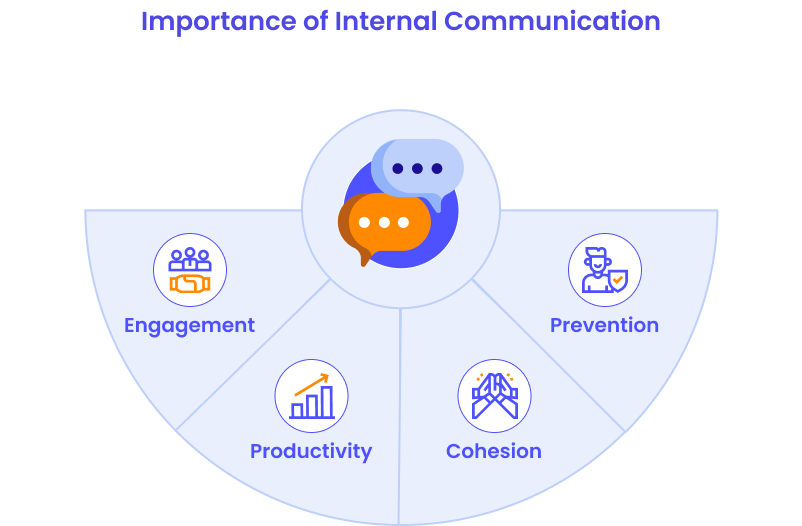
The Issue: Miscommunication creates delays, confusion, and costly mistakes.
You think everyone’s on the same page – until you realize two team members are working from different briefs, the client never saw that last update, and someone missed a key deadline. Poor communication is a silent killer. It drains productivity, frustrates your team, and damages your reputation.
How to Fix It
Centralize Everything
- Use a single communication platform: Slack, Microsoft Teams, or something similar. Avoid mixing email, chat apps, and sticky notes.
- Create a shared source of truth: Store briefs, timelines, and status updates in one project management tool.
- Organize channels by client/project: Make it easy for everyone to find the right information fast.
Foster a Transparent Culture
- Encourage questions and feedback: Make it safe to speak up if something’s unclear.
- Share context, not just tasks: Don’t just say what to do—explain why it matters.
- Recognize wins publicly: Shout out great work in team channels to build morale and show appreciation.
Conclusion
Every agency faces roadblocks – from cash flow crunches to inconsistent leads, from scaling issues to client churn. The difference between surviving and thriving is how you respond. In this blog, we have reviewed 13 prevalent issues and learned how to avoid common challenges that agencies face.
At White Label Agency, we help digital agencies overcome scaling and workload challenges every day. Whether you need to scale development, offload design work, or improve delivery quality without adding overhead – we’re here to help you grow with confidence.
Let’s talk. Schedule a call with our team and discover how white-label support can help your agency scale smarter and deliver better.


