


- How Team Extension Works
- Team Extension vs Other Hiring Models
- 5 Key Benefits of the Team Extension Model
- Roles Commonly Added via Team Extension
- How to Successfully Implement a Team Extension Strategy
- 3 Common Challenges and How to Overcome Them
- Choosing the Right Team Extension Partner
- Final Thoughts
Most tech businesses today face the same problem: they need more developers, but hiring takes forever and costs too much. You post a job, wait months for the right candidate, then spend weeks getting them up to speed. Meanwhile, your projects pile up and clients get impatient.
Team extension offers a different approach. Instead of hiring new full-time employees or handing entire projects to outside companies, you add skilled developers directly to your existing team. These aren’t contractors working in isolation – they become part of your team, using your tools and following your processes.
How Team Extension Works
Here’s how this model works: you identify the skills you need, and within days, experienced professionals join your team. They attend your meetings, work in your systems, and integrate with your culture. You get the expertise you need without the long hiring process or management headaches.
This model has become popular because it solves real problems that traditional hiring creates. You don’t wait months to find people, you don’t lose control over your projects, and you don’t commit to expensive long-term hires when you only need help for specific projects.
Team Extension vs Other Hiring Models
Before choosing staff extension, it helps to understand how it compares to other ways of adding development capacity to your business.
Team Extension vs In-House Hiring
In-house hiring means recruiting full-time employees the traditional way. You post jobs, interview candidates, and eventually hire someone permanently. This process typically takes 2-4 months and comes with salary, benefits, office space, and equipment costs.
Team extension gets you skilled people in 1-2 weeks. These developers are already experienced and need minimal training. You pay for their work without the overhead costs of permanent employees.
Dedicated team
Scale your agency with a dedicated WordPress developer. With great communication, we make sure to keep your builds on track and on time.
Team Extension vs Outsourcing
Traditional outsourcing means giving entire projects to outside companies. You explain what you want, they build it, and you hope it meets your expectations. Often, you have little control over how the work gets done or who does it.
Staff extension keeps you in control. The developers work on your team, follow your processes, and participate in your daily meetings. You manage the project while getting help with the actual development work.
Team Extension vs Dedicated Development Teams
Dedicated teams are entire external teams that work only on your projects. This approach works for large, long-term projects but requires managing a whole team structure and often costs more than you need.
Development team extension lets you add exactly the people you need. Need one React developer? Add one. Need a designer for three months? Add a designer. You scale precisely based on your requirements.
| Aspect | In-House | Team Extension | Outsourcing | Dedicated Teams |
| Time to Start | 2-4 months | 1-2 weeks | 2-4 weeks | 4-8 weeks |
| Control Level | High | High | Low | Medium |
| Flexibility | Low | High | Low | Medium |
| Cost Structure | High upfront | Pay as needed | Project-based | Monthly retainer |
When to choose each:
- Choose in-house hiring for core team members you need long-term
- Choose team extension when you need specific skills quickly or want to scale flexibly
- Choose outsourcing for complete projects with clear requirements
- Choose dedicated teams for large projects needing full team structures
5 Key Benefits of the Team Extension Model

Development team extension offers several advantages that make it attractive for growing businesses and agencies looking to scale their development capabilities.
1. Quick Access to Skilled Developers
The biggest advantage is speed. Traditional hiring takes months—posting jobs, screening resumes, conducting interviews, checking references, and onboarding new hires. During this time, projects get delayed and opportunities disappear.
Staff extension providers keep pools of tested developers ready to start. These professionals have already passed technical interviews and skill assessments. You can have experienced developers contributing to your projects within days, not months.
2. Cost Control Without Quality Loss
Full-time employees come with fixed costs regardless of workload. You pay salaries, benefits, and overhead whether you have tons of work or very little. This creates cash flow problems, especially for agencies where project volume varies.
Staff extension lets you match costs to actual work. Busy month? Add more developers. Slow period? Scale back. You avoid the “feast or famine” problem that many growing companies face.
3. Flexible Team Scaling
Modern businesses need to adapt quickly. This model provides this flexibility by letting you adjust team size based on current needs rather than long-term commitments.
This works well for:
- Seasonal businesses that need more developers during busy periods
- Growing startups that need to scale as they get funding
- Agencies that win big projects requiring temporary team expansion
- Companies exploring new technologies or markets
4. Access to Global Talent
Staff extension opens up talent pools beyond your local area. If you can’t find React developers locally, you can access them from regions where these skills are more common. You get specialized expertise without the complexity of international hiring.
5. Smooth Integration
Unlike outsourcing, where external teams work separately, staff extension developers integrate directly into your existing processes. They use your project management tools, join your daily meetings, and follow your coding standards.
This integration means:
- Consistent code quality across your entire team
- Better communication and fewer misunderstandings
- Unified project management without separate processes
- Maintained company culture and work standards
The result is growth without disruption to your existing operations.
Roles Commonly Added via Team Extension

Different types of professionals work well in this type of arrangements. Here are the most common roles and why they’re effective for this model.
Frontend and Backend Developers
Frontend developers are the most popular staff extension roles. Modern frontend work requires expertise in multiple frameworks like React, Vue.js, and Angular, plus advanced CSS and mobile optimization skills.
Backend developers provide server-side expertise for robust, scalable applications. They often specialize in specific technology stacks, database design, or integration patterns that complement existing team capabilities.
Designers (UX/UI)
Many development teams lack dedicated design resources. UX designers bring user research and usability testing skills, while UI designers focus on visual design and component systems.
Design expertise through this model often proves more cost-effective than hiring full-time design staff, especially for projects with defined design phases followed by implementation periods.
DevOps and QA Engineers
DevOps engineers help with continuous integration, automated deployment, and cloud infrastructure. They bridge the gap between development and operations, ensuring applications deploy reliably and scale effectively.
QA engineers bring systematic testing approaches that many development teams struggle to implement consistently. Their expertise in test automation and quality assurance prevents costly bugs and user experience problems.
Project Managers
Project managers via this hiring model provide organizational expertise without permanent management overhead. They bring proven methodologies, communication skills, and stakeholder management experience.
Specialized Technical Roles
The rapidly changing technology world creates demand for specialized expertise that few companies can justify as permanent positions:
- AI/Machine Learning specialists for intelligent features and automation
- Mobile app developers with platform-specific expertise
- Blockchain developers for cryptocurrency and smart contract projects
- Security specialists for compliance and data protection
How to Successfully Implement a Team Extension Strategy
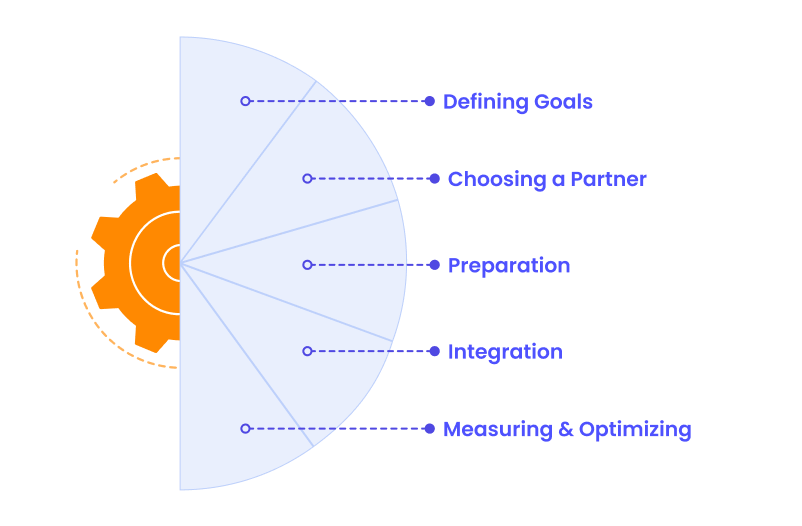
Moving from understanding extended team model benefits to actually implementing this strategy requires careful planning. Success depends on preparation, partner selection, and smooth integration processes.
Step 1: Define Your Goals and Skill Gaps
Before contacting team extension providers, analyze your current situation thoroughly. Document your existing team’s skills, capacity limitations, and specific needs.
Questions to answer:
- What technical skills does your team currently have?
- Where are team members overloaded or projects getting delayed?
- What specific expertise would help you complete current projects faster?
- When do you need additional capacity, and for how long?
Set specific goals like “Add frontend development capacity to launch three client projects by Q3” rather than vague objectives like “we need more developers.”
Step 2: Choose the Right Partner
The development team extension market includes large outsourcing companies, specialized agencies, and freelance platforms. Your choice significantly impacts the quality of professionals you access. Look for partners who understand your industry and can provide relevant case studies showing successful implementations. We will cover more on this a bit later in the blog.
Step 3: Prepare for Integration
Extended team members need to become productive quickly, which requires good documentation and streamlined onboarding.
Prepare before they start:
- Technical documentation: Setup guides, coding standards, deployment procedures
- Project context: Business goals, user information, feature priorities
- Access credentials: Repository access, tools, and development environments
- Communication guidelines: Meeting schedules and reporting requirements
Step 4: Integrate Tools and Communication
Treat extended team members as part of your team, not external contractors. Use the same tools, include them in appropriate meetings, and apply consistent management approaches.
Integration essentials:
- Same project management and communication tools for everyone
- Regular meetings including daily standups and planning sessions
- Consistent performance expectations and feedback
- Shared visibility into project progress and business objectives
Step 5: Measure and Optimize
Track both quantitative metrics and qualitative feedback to optimize your staff extension approach:
Success metrics:
- Productivity: Features delivered, tasks completed
- Quality: Code review feedback, bug rates
- Timeline: Sprint completion, milestone achievement
- Cost: Budget adherence, return on investment
Regular feedback from both extended team members and internal stakeholders helps identify improvements and ensures long-term success.
3 Common Challenges and How to Overcome Them
While development team extension offers many benefits, it’s not without challenges. Understanding these potential issues and their solutions helps you implement this strategy more successfully.
1. Time Zone and Communication Issues
Working with team members in different time zones can create communication delays and coordination problems. Meetings become difficult to schedule, and urgent issues might wait hours for responses.
Solutions:
- Establish overlap hours: Find 2-3 hours when both teams are available for meetings and urgent discussions
- Use asynchronous communication: Document decisions, use project management tools, and create clear handoff procedures
- Plan ahead: Schedule important discussions during overlap hours and provide detailed briefs for work that happens during off-hours
- Set clear expectations: Define response times for different types of communication
2. Cultural and Process Mismatches
Different work cultures and development processes can lead to misunderstandings, missed deadlines, or quality issues.
Solutions:
- Detailed onboarding: Spend time explaining your company culture, work style, and expectations
- Regular check-ins: Schedule weekly meetings to discuss any cultural or process issues
- Documentation: Write down your processes, standards, and expectations clearly
- Patience and flexibility: Allow time for adjustment and be open to learning from different approaches
3. Lack of Control Concerns
Some managers worry about losing control when working with external team members. These concerns often stem from bad outsourcing experiences where external teams worked independently without proper oversight.
Solutions:
- Maintain project ownership: You direct the work, set priorities, and make decisions
- Use your tools: Extended team members work in your systems and follow your processes
- Regular reporting: Implement daily standups and weekly progress reviews
- Clear boundaries: Define roles, responsibilities, and decision-making authority upfront
Extra Tip
One more common concern in staff extension partnerships is confidentiality. We recommend that you always sign the non-disclosure agreement with your partner. You can access and download a free NDA template here.
Choosing the Right Team Extension Partner

Selecting the right partner is crucial for team extension success. The wrong choice can lead to wasted time, poor quality work, and frustrated team members. Here’s what to look for and avoid.
What to Look for in a Partner
Proven Experience in Your Technology. Your partner should have deep expertise in the technologies you use. If you build WordPress sites, work with a provider who specializes in WordPress development. For example, at WLA, we’ve been designing and building exclusively for WordPress for over 12 years – a strong indicator that a potential partner can easily rely on us.
WordPress Outsourcing Services
Enhance your agency’s capabilities with our WordPress outsourcing services. Get expert development, design, and maintenance support tailored to your needs.
Strong Communication Processes. Good partners have established communication protocols including regular reporting, meeting schedules, and escalation procedures. They should be proactive about updates and transparent about challenges or delays. At WLA, each of our partners is supported by a dedicated account manager to ensure smooth coordination, timely updates, and clear communication from start to finish.
Quality Assurance Systems. Look for partners with formal quality assurance processes including code reviews, testing procedures, and delivery standards. They should be able to explain how they ensure consistent quality across all projects.
Cultural Alignment. The best partnerships happen when work styles and values align. During initial conversations, pay attention to how potential partners communicate, their responsiveness, and their approach to problem-solving.
Cultural Alignment. The best partnerships happen when work styles and values align. During initial conversations, pay attention to how potential partners communicate, their responsiveness, and their approach to problem-solving.
Questions to Ask Before Signing
About their team:
- How do you recruit and vet your developers?
- What’s the average experience level of your team members?
- How do you handle team member turnover during projects?
About their processes:
- What’s your typical onboarding process for new clients?
- How do you ensure code quality and consistency?
- What project management and communication tools do you use?
About project management:
- How do you handle project delays or scope changes?
- What’s your typical reporting and communication schedule?
- How do you manage time zone differences?
About security:
- What security measures do you have in place?
- How do you handle intellectual property protection?
- What background checks do you conduct on team members?
5 Red Flags to Avoid
- Unrealistic Promises. Be wary of providers who promise extremely low rates, impossibly fast delivery times, or guaranteed results. Quality development work takes time and costs money.
- Poor Communication During Sales. If a provider is slow to respond, unclear in their communication, or pushy during the sales process, these problems will likely continue during your project.
- No Relevant Experience. Avoid providers who can’t show specific experience in your technology stack or industry. Learning on your dime rarely produces good results.
- Lack of References. Reputable providers should be able to provide references from similar clients. If they can’t or won’t provide references, look elsewhere.
- No Quality Processes. Partners without formal quality assurance processes, code review procedures, or testing standards will likely deliver inconsistent results.
Final Thoughts
Staff extension has become an increasingly popular solution for businesses that need to scale their development capabilities quickly and efficiently. It offers advantages that traditional hiring and outsourcing can’t match: speed, flexibility, cost control, and maintained project ownership.
At White Label Agency, we’ve helped hundreds of digital agencies scale their WordPress development capabilities through our team extension services. With over 10 years of experience and a team of 100+ skilled developers and designers, we understand the unique challenges agencies face when growing their client base. Our white-label approach also means we work invisibly behind the scenes, allowing you to maintain direct client relationships while scaling your capabilities. Contact us today to discuss your specific needs and learn how we can become an extension of your team.


