Visibility is the cornerstone of success in today’s digital-first economy. Businesses strive to secure top positions in search engine rankings because these spots translate into credibility, authority, and traffic. Search engine optimization (SEO) remains the gold standard for achieving this, yet many agencies struggle to deliver these services in-house due to limited expertise or resources.
This is where white label SEO steps in. White label SEO allows agencies to outsource SEO tasks to specialized third-party providers who deliver under the agency’s brand. It’s a powerful model for scaling services, improving client satisfaction, and expanding business portfolios without adding operational overhead.
In this guide, we will explore what white label SEO is, how it works, and why it’s indispensable for digital marketing agencies, SEO professionals, and businesses looking to implement white label SEO outsourcing effectively.
What is White Label SEO?
White label SEO is the practice of outsourcing SEO services to a third-party provider who completes the work under your agency’s branding. The provider remains behind the scenes, allowing agencies to present SEO reports, strategies, and results as their own. White label solutions, including white label SEO services, allow agencies to offer specialized expertise without building these capabilities in-house. Learn more about the concept of white label and how it benefits growing businesses.
For example:
- Imagine running a digital marketing agency focused on PPC advertising. A client requests SEO support, but instead of turning down the opportunity or investing in building an in-house SEO team, you partner with a white label SEO provider.
- They handle everything from keyword research to content creation while you maintain client relationships.
Importance in the Current Digital Marketing Landscape
SEO remains a cornerstone of any successful digital marketing strategy, offering long-term value through increased visibility, organic traffic, and credibility. However, delivering effective SEO requires a combination of technical expertise, strategic thinking, and constant adaptation to algorithm changes. For many agencies, building an in-house SEO team is not feasible due to cost and time constraints.
By leveraging white label SEO outsourcing, agencies can meet client demands, expand their service offerings, and remain competitive in an increasingly crowded market. It’s not just a convenience; it’s a necessity for staying ahead.

Common Misconceptions
Quality Concerns
Many believe outsourcing means compromising on quality. However, reputable providers often employ experts who deliver results that match or exceed in-house efforts. By leveraging advanced tools and proven methodologies, they ensure campaigns maintain high standards.
- Reputable providers have dedicated specialists for technical SEO, content creation, and link building.
- Quality benchmarks are set and monitored to align with agency expectations.
Client Discovery Fears
Providers operate discreetly, ensuring that all work is branded under the agency’s name. This seamless integration ensures clients are unaware of the outsourcing arrangement.
- Non-disclosure agreements (NDAs) protect agency and client confidentiality.
- Providers adopt the agency’s branding and communication style for consistency.
Scalability Doubts
White label SEO is not limited to small agencies. Larger firms also use it to handle overflow work or explore new niches like local SEO.
- White label providers can scale their operations to accommodate high-demand periods.
- Agencies can take on larger projects without straining internal resources.
How White Label SEO Works
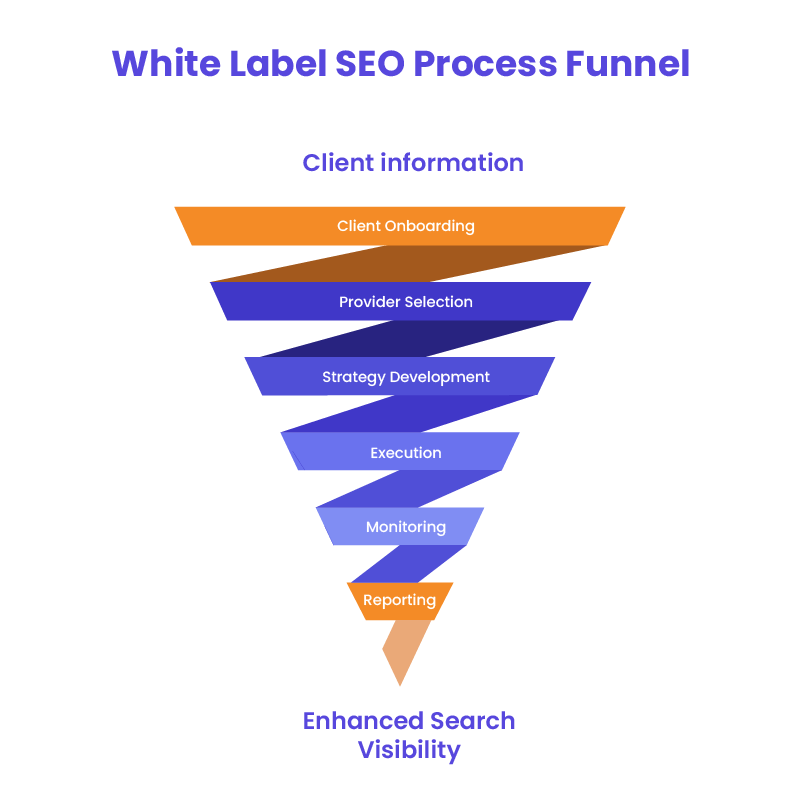
Implementing white label SEO involves a systematic process designed to deliver seamless results while maintaining the agency’s branding. Below is a detailed breakdown of each stage, outlining how these services are implemented effectively.
Client Onboarding
The onboarding phase is crucial for setting the foundation of a successful SEO campaign. Agencies gather comprehensive information about the client’s business, goals, and audience to ensure the strategy aligns with their unique needs.
This stage includes:
- Conducting an in-depth client intake process to understand their industry and objectives.
- Defining measurable KPIs that will determine campaign success.
- Sharing branding guidelines and tone preferences with the provider to maintain consistency.
By clarifying these aspects early, agencies can ensure a smooth collaboration and create a strategy tailored to the client’s goals.
Provider Selection
Selecting the right white label SEO provider is critical to achieving success. Agencies must evaluate potential partners based on their capabilities and alignment with project requirements.
Considerations include:
- Reviewing case studies and testimonials to validate the provider’s expertise and track record.
- Assessing the provider’s communication practices to ensure regular updates and transparency.
- Confirming their use of advanced SEO tools like SEMrush, Ahrefs, or Moz for analysis and implementation.
A thorough selection process ensures that the provider is reliable and can deliver high-quality results under the agency’s brand.
Strategy Development
Once the provider is onboarded, the next step involves creating a comprehensive SEO strategy. This strategy serves as a roadmap for achieving the client’s objectives.
Key components of the strategy include:
- Conducting keyword research and competitive analysis to identify opportunities.
- Outlining on-page and off-page optimization plans to improve rankings and traffic.
- Incorporating content strategies and technical SEO fixes to ensure a well-rounded approach.
Providers can craft strategies that deliver measurable results by combining data-driven insights with tailored recommendations.
Execution
The execution phase involves implementing the approved strategy. Providers handle technical and creative tasks to enhance the client’s search engine visibility.
Key areas of focus during execution include:
- Optimizing website elements like meta tags, headings, and internal linking for targeted keywords.
- Building high-quality backlinks to improve the website’s domain authority and credibility.
- Addressing technical issues such as site speed, mobile responsiveness, and crawl errors to improve usability and search rankings.
Effective execution ensures that all elements of the strategy are implemented cohesively, driving tangible performance improvements.
Monitoring
Continuous monitoring is essential for assessing the progress of an SEO campaign. Providers use analytics tools to track key metrics, ensuring that the campaign stays aligned with its goals.
Monitoring focuses on:
- Organic traffic growth to evaluate the effectiveness of the strategy.
- Keyword rankings to measure visibility improvements.
- Conversion rates to assess the campaign’s impact on business objectives.
Regular analysis allows for timely adjustments and ensures the campaign remains optimized for success.
Reporting
Detailed and transparent reporting is a hallmark of effective white label SEO outsourcing. Providers deliver white-labeled reports that allow agencies to showcase results professionally to their clients.
A comprehensive report includes:
- Metrics such as keyword rankings, traffic growth, and conversions to highlight campaign success.
- Insights from analytics tools to identify opportunities for further optimization.
- Actionable recommendations for sustaining and improving performance.
By delivering clear and insightful reports, agencies can demonstrate value to clients while maintaining long-term relationships.
This structured approach to white label SEO ensures that each stage is executed with precision, enabling agencies to deliver consistent and high-quality results to their clients.
Benefits of White Label SEO
For Agencies
Understanding the strategic value of white label SEO services can help agencies enhance client satisfaction and boost revenue.
Expanded Service Offerings
White label SEO empowers agencies to add a full suite of SEO services to their portfolio without significant investments. This flexibility allows agencies to:
- Diversify their offerings
- Compete with larger firms
- Take on more clients without overextending resources
Focus on Core Competencies
By outsourcing to white label SEO providers, agencies can focus on their core competencies, such as client management and business growth, while leveraging white label SaaS platforms to scale additional services seamlessly.
Improved Client Retention
Providing comprehensive solutions under one roof fosters trust and loyalty. Clients are more likely to stick with agencies that can handle all their digital marketing needs efficiently and effectively.
For Clients
Access to Expertise
Clients benefit from access to top-tier SEO professionals without having to pay premium rates for an in-house team. This ensures that campaigns are managed by experts who understand industry trends and best practices.
Cost-Effectiveness
By leveraging white label SEO, clients receive high-quality services at competitive prices. This cost efficiency allows businesses to maximize their ROI while keeping expenses manageable.
Scalable Solutions
As businesses grow, so do their SEO needs. White label SEO provides scalable options, enabling clients to expand their campaigns seamlessly to align with their growth objectives.

Potential Drawbacks and Challenges
While white label SEO offers significant benefits for agencies, it is not without its challenges. Navigating these potential pitfalls requires awareness, preparation, and strategic action to ensure smooth operations and maintain client satisfaction. Let’s explore the common issues and strategies to address them effectively.
Quality Control Issues
One of the primary concerns agencies face with white label SEO outsourcing is ensuring consistent quality. Since the work is performed by an external provider, there is always the risk of discrepancies in deliverables. For example, poorly optimized content, subpar backlinks, or missed deadlines can negatively impact client outcomes and the agency’s reputation.
To overcome this, agencies must establish robust quality control measures. These include selecting reputable providers with proven track records, setting clear benchmarks for performance, and conducting regular audits of the provider’s work. By maintaining open communication and providing detailed feedback, agencies can ensure their expectations align with the provider’s output, minimizing the risk of quality issues.
Communication Barriers
Effective collaboration between an agency and a white label SEO provider depends heavily on clear and timely communication. Miscommunication can lead to delays, errors, and frustration for both parties. For example, differing interpretations of project goals or deliverable timelines can disrupt the workflow and impact client satisfaction.
To address this challenge, agencies should establish structured communication processes. This might include using project management tools like Trello or Asana, scheduling regular check-ins to discuss progress, and documenting all key agreements. Additionally, ensuring that both parties understand each other’s expectations and workflows can help prevent misunderstandings and foster a smoother partnership.
Dependency Concerns
Relying too heavily on a single white label SEO provider can pose risks. If the provider experiences operational challenges, fails to meet deadlines, or delivers subpar work, it can disrupt the agency’s ability to meet client expectations. Over-reliance on one provider may also limit the agency’s flexibility to adapt to changing demands or explore new opportunities.
Agencies can mitigate dependency risks by diversifying their partnerships. Working with multiple providers ensures a backup option is available if one partner falls short. Additionally, maintaining a small in-house team to handle critical tasks can reduce reliance on external providers and provide added control over key deliverables. Developing contingency plans and evaluating providers regularly can further safeguard the agency from potential disruptions.
Strategies to Mitigate Challenges
Addressing these challenges requires a proactive and systematic approach. Agencies should:
- Vet Providers Carefully: Evaluate potential white label SEO partners based on their experience, expertise, and reliability. Look for case studies, testimonials, and evidence of successful campaigns.
- Set Clear Expectations: Define project goals, deliverables, timelines, and quality benchmarks upfront to align with the provider’s capabilities.
- Monitor Performance: Regularly review the provider’s work through detailed reports and audits. Use performance metrics to assess alignment with client objectives.
- Foster Strong Relationships: Build a collaborative partnership by maintaining open communication and providing constructive feedback. Strengthening the relationship with your provider can lead to better outcomes and smoother workflows.
By addressing these potential drawbacks with thoughtful planning and effective communication, agencies can fully leverage the benefits of white label SEO outsourcing while minimizing risks. This ensures not only the success of individual campaigns but also the long-term growth and reputation of the agency.

Key Services Offered in White Label SEO
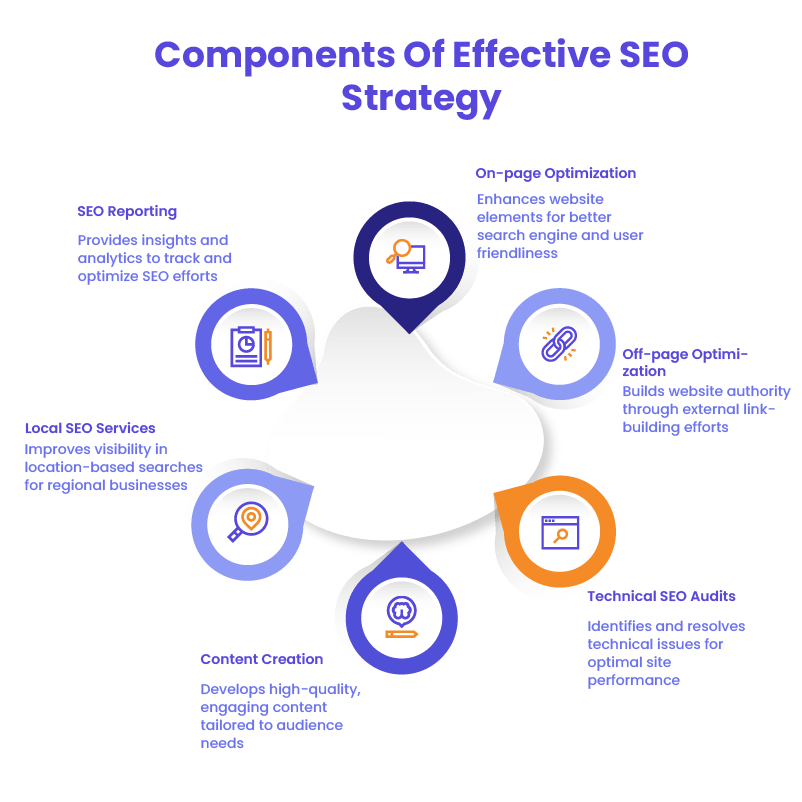
White label SEO providers deliver a comprehensive range of services designed to improve search engine performance and enhance online visibility for their clients. These services are tailored to meet the specific needs of agencies and their end clients, ensuring that all aspects of SEO are effectively addressed.
On-Page Optimization
On-page optimization focuses on improving elements within a website to make it more search-engine-friendly and user-friendly. This foundational aspect of white label SEO ensures that websites are structured in a way that aligns with search engine algorithms while delivering value to users.
Key aspects of on-page optimization include:
- Crafting keyword-optimized meta titles and descriptions to improve click-through rates.
- Structuring headings and subheadings for better readability and relevance.
- Enhancing internal linking to guide users and search engines to important pages.
- Improving content quality by integrating target keywords naturally and addressing user intent.
By implementing these techniques, white label providers ensure that client websites rank higher in search engine results and provide a seamless experience for visitors.
Off-Page Optimization
Off-page SEO focuses on building authority and credibility for a website through external efforts, primarily link-building strategies. This is a critical component of white label SEO outsourcing, as it significantly impacts search engine rankings.
Key activities include:
- Acquiring high-quality backlinks from reputable sources to boost domain authority.
- Managing guest posting campaigns to increase exposure and generate traffic.
- Promoting content through outreach and social media to amplify its reach.
Off-page optimization establishes a website as a trusted source within its industry, improving its overall visibility and ranking potential.
Technical SEO Audits
Technical SEO is the backbone of a well-optimized website. Providers conduct thorough technical audits to identify and resolve issues that might hinder a site’s performance or visibility.
Key elements of technical SEO include:
- Fixing crawl errors and broken links to ensure seamless navigation.
- Enhancing site speed and mobile responsiveness to meet user expectations.
- Ensuring proper indexing with XML sitemaps and robots.txt files.
- Addressing duplicate content issues that could negatively impact rankings.
These audits help maintain a website’s health and ensure that it meets search engine guidelines, providing a solid foundation for other optimization efforts.
Content Creation and Optimization
Content is at the heart of every successful SEO strategy. White label SEO providers specialize in creating and optimizing content that aligns with client goals and search engine requirements. White label content creation offers agencies access to professionally developed blogs, articles, and multimedia assets, ensuring quality and relevance that boosts SEO performance.
Core activities include:
- Developing high-quality blogs, articles, and web copy tailored to specific keywords and topics.
- Optimizing existing content to improve its relevance and performance.
- Integrating multimedia elements like images, videos, and infographics to enhance engagement.
Effective content creation and optimization drive organic traffic and help establish the client’s authority in their industry.
Local SEO Services
Local SEO focuses on improving a business’s visibility in location-based searches. This service is especially valuable for businesses targeting regional audiences or operating in specific geographic areas.
Key activities include:
- Optimizing Google My Business profiles to ensure accurate and compelling listings.
- Managing online directory listings to improve local search rankings.
- Creating location-specific content to address the needs of regional audiences.
With local SEO, white label SEO outsourcing ensures that businesses capture the attention of potential customers in their area, driving foot traffic and local engagement.
SEO Reporting and Analytics
Transparent reporting and actionable insights are essential components of white label SEO services. Providers offer detailed reports that enable agencies to demonstrate the value of their campaigns to clients.
Key aspects of reporting and analytics include:
- Tracking key performance indicators (KPIs) like organic traffic, rankings, and conversions.
- Generating white-labeled reports that align with the agency’s branding.
- Providing data-driven recommendations to optimize future campaigns.
By delivering clear and concise analytics, providers help agencies showcase their expertise and ensure client satisfaction.
These key services offered by white label SEO providers form the backbone of effective SEO strategies, enabling agencies to deliver exceptional results without the need for in-house expertise.
Choosing the Right White Label SEO Partner
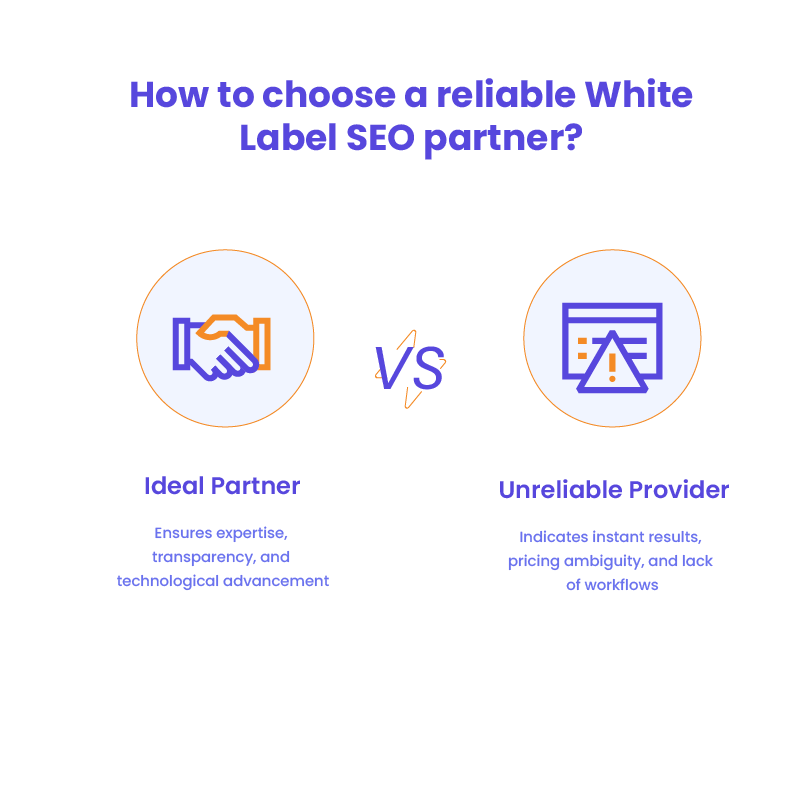
Selecting the right white label SEO partner is crucial for agencies aiming to scale their services and deliver exceptional results. A reliable partner can provide the expertise, tools, and support necessary to meet client expectations while maintaining the agency’s brand integrity.
Criteria for Selection
Experience and Expertise
Look for a provider with a proven track record in delivering successful SEO campaigns across various industries. Evaluate their portfolio, case studies, and the qualifications of their team to ensure they have the knowledge and skills to meet your agency’s needs.
Transparency and Communication
Clear and consistent communication is essential for a successful partnership. Choose a provider that offers regular updates, maintains open communication channels, and provides detailed documentation of processes and deliverables.
Technological Capabilities
A good white label SEO partner should use advanced tools and platforms, such as SEMrush, Ahrefs, or Google Analytics. These tools enable comprehensive analysis, effective implementation, and accurate reporting, ensuring high-quality results for clients.
Client Testimonials and Case Studies
Positive reviews and detailed case studies are strong indicators of a provider’s reliability and effectiveness. These resources provide insights into the provider’s ability to deliver results and handle projects similar to yours.
Red Flags to Watch Out For
While assessing potential providers, be wary of warning signs that indicate unreliable or subpar services:
- Promises of Instant Results: SEO is a long-term strategy, and any provider guaranteeing immediate success may be using unethical practices that could harm your clients.
- Lack of Pricing Clarity: Transparent pricing is essential to avoid unexpected costs. Avoid providers with vague or hidden fees.
- Absence of Defined Workflows: A provider without clear processes or workflows may struggle to deliver consistent results, leading to delays and dissatisfaction.
By thoroughly evaluating potential partners against these criteria, agencies can select a white label SEO outsourcing provider that aligns with their goals, ensuring a productive and successful collaboration.
Implementing White Label SEO in Your Agency
Implementing white label SEO services in your agency requires a structured approach to ensure seamless integration and maximum efficiency. By focusing on clear workflows, client communication, and robust monitoring mechanisms, agencies can successfully incorporate outsourced SEO solutions into their operations.
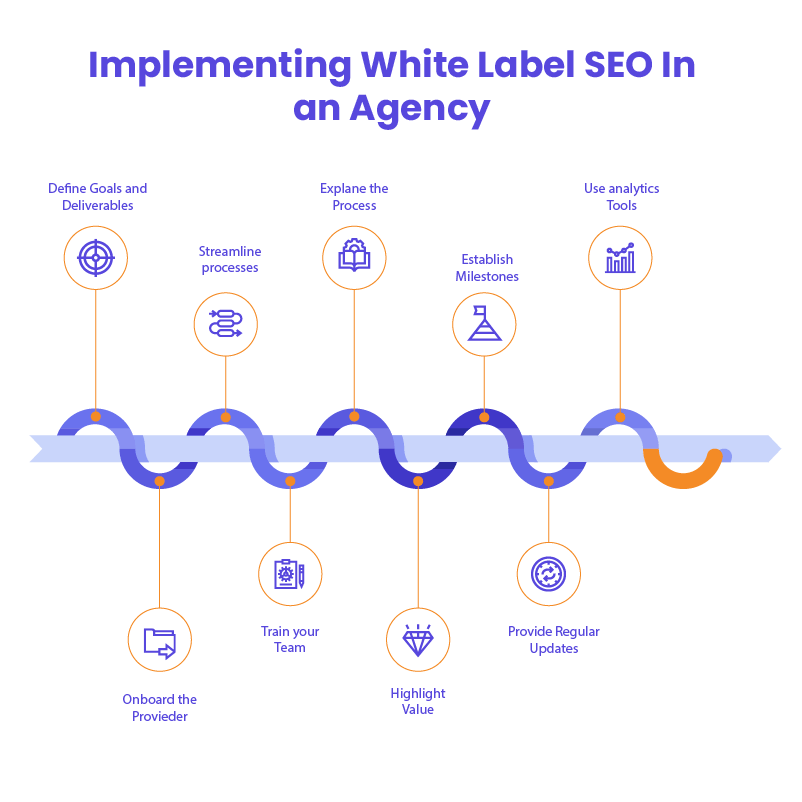
Steps to Integrate Services Seamlessly
Effective integration begins with aligning the provider’s workflows with the agency’s processes. This ensures that both teams operate cohesively, minimizing potential disruptions and enhancing productivity.
- Define Goals and Deliverables: Clearly outline the objectives of the SEO campaign, including target keywords, expected outcomes, and timelines.
- Onboard the Provider: Share all necessary information, including client goals, branding guidelines, and performance benchmarks, to align efforts.
- Streamline Processes: Establish a workflow that incorporates both the agency’s and the provider’s systems, ensuring smooth handoffs and collaboration.
- Train Your Team: Educate your internal team on the provider’s tools and methodologies to enhance coordination and understanding.
By taking these steps, agencies can ensure that white label SEO outsourcing is integrated seamlessly into their service offerings.
Setting Expectations with Clients
Transparent communication with clients is critical when introducing white label SEO services. Setting clear expectations helps build trust and ensures that clients remain informed and engaged throughout the campaign.
- Explain the Process: Provide clients with a detailed overview of the SEO campaign, including its phases, expected timelines, and deliverables.
- Highlight Value: Emphasize the benefits of the collaboration, such as access to specialized expertise and scalable solutions.
- Establish Milestones: Break down the campaign into measurable milestones to give clients a sense of progress and achievement.
- Provide Regular Updates: Share progress reports and insights at agreed intervals, addressing any questions or concerns promptly.
These practices ensure that clients feel involved and confident in the agency’s ability to deliver exceptional results.
Monitoring and Reporting Mechanisms
Tracking performance and delivering actionable insights are key components of a successful white label SEO partnership. Agencies must implement robust monitoring and reporting mechanisms to evaluate progress and maintain transparency.
- Use Analytics Tools: Leverage platforms like Google Analytics, SEMrush, and Ahrefs to track key performance indicators (KPIs), including organic traffic, keyword rankings, and conversion rates.
- Review Provider Reports: Analyze the white-labeled reports provided by the SEO partner to ensure alignment with client goals.
- Provide Feedback: Offer constructive feedback to the provider to refine strategies and address any performance gaps.
- Share Insights with Clients: Deliver branded reports to clients that highlight successes, areas for improvement, and future opportunities.
By maintaining consistent monitoring and delivering transparent reporting, agencies can showcase the value of their white label SEO services while fostering trust and long-term client relationships.
Implementing white label SEO outsourcing effectively allows agencies to scale their offerings, enhance client satisfaction, and achieve sustained growth. By focusing on integration, communication, and data-driven decision-making, agencies can unlock the full potential of outsourced SEO solutions.
Conclusion: The Power of White Label SEO
As the digital marketing landscape continues to evolve, white label SEO stands out as a transformative solution for agencies seeking to scale their offerings, enhance client satisfaction, and stay competitive. By leveraging the expertise of specialized providers, agencies can deliver high-quality SEO services without the overhead of building in-house teams.
Recap of Key Points
Throughout this guide, we explored the following:
- What is White Label SEO? It’s the practice of outsourcing SEO services to third-party providers who operate under your agency’s branding.
- Understanding White Label SEO: The benefits of white label SEO, including scalability, cost-efficiency, and access to expertise, make it an essential tool for modern agencies.
- How White Label SEO Works: From client onboarding to monitoring and reporting, we detailed the seamless integration of these services into agency workflows.
- Key Services Offered: Providers deliver comprehensive solutions such as on-page optimization, link building, technical audits, and more.
- Choosing the Right Partner: Criteria for selecting a reliable provider and red flags to avoid.
- Implementation Strategies: Steps to ensure smooth integration, clear client communication, and effective monitoring mechanisms.
Final Thoughts on the Significance of White Label SEO
For agencies, white label SEO outsourcing is not just an operational convenience—it’s a strategic necessity. The ability to expand service offerings without compromising quality allows agencies to meet the growing demands of their clients while focusing on their core strengths.
By addressing potential challenges, selecting the right provider, and maintaining transparent communication with clients, agencies can unlock the full potential of white label SEO. This approach ensures sustained growth, stronger client relationships, and a competitive edge in the digital marketing arena.
Whether you’re a small agency looking to expand or an established firm seeking to streamline operations, white label SEO offers the flexibility, expertise, and scalability to achieve long-term success. The key lies in strategic implementation and collaboration with the right partners.