- What is WordPress Website Maintenance?
- Why is WordPress Website Maintenance Important?
- How Much Does It Cost to Maintain a WordPress Site?
- WordPress maintenance plans
- How to Choose the Right WordPress Website Maintenance Plan
- Common Challenges in WordPress Website Maintenance
- How to Put a WordPress Site in Maintenance Mode?
- The Best Tools for WordPress Website Maintenance
- Website as a service
- Conclusion
To ensure the functionality, security and performance of a WordPress site, it needs regular maintenance. WordPress website maintenance involves tasks such as updating plugins, performing backups, and conducting security checks. Neglecting these tasks can lead to serious consequences, including security vulnerabilities, poor site performance, and unexpected downtime.
This blog will explore the key components of WordPress website maintenance, including the routine tasks required to keep a site running smoothly. We will also discuss the importance of regular maintenance, the potential costs involved, common challenges you might face, and provide a step-by-step guide on how to put a WordPress site in maintenance mode. By understanding these basics, you can ensure your WordPress site remains secure, fast, and reliable.
What is WordPress Website Maintenance?
WordPress website maintenance refers to the regular tasks necessary to ensure a WordPress website continues to function properly while remaining secure and performing efficiently. It involves a series of routine actions designed to prevent issues, enhance user experience, and protect the site from vulnerabilities.
Key components of WordPress website maintenance include:
- Updates: Regularly updating the WordPress core, themes, and plugins is crucial to ensure compatibility and security. Updates often include patches for vulnerabilities and new features that can improve site performance.
- Backups: By performing regular backups you will ensure you have a copy of your site that can be restored in case of data loss or corruption. This is a critical safety net that protects your content and settings.
- Security Checks: Monitoring the site for potential security threats, such as malware or unauthorized access, helps protect your site from attacks. Regular security scans with strong security measures are vital to maintaining site integrity.
These routine tasks are essential components of WordPress website maintenance, and neglecting them can lead to significant problems down the line.

Why is WordPress Website Maintenance Important?
WordPress website maintenance is crucial for any website because it directly impacts the site’s security, performance, and reliability. Regular maintenance ensures that the website remains up-to-date with the latest features and security patches, reducing the risk of vulnerabilities that hackers could exploit.
The website often serves as a primary point of contact with clients, and any downtime or poor performance can lead to a loss of business and damage to the reputation. WordPress website maintenance helps to prevent these issues by ensuring that the site runs smoothly and efficiently, providing a consistent user experience.
Additionally, a well-maintained site is more likely to appear higher in search engine rankings, as search engines prioritize websites that are secure, fast, and free of errors. For businesses, this can mean greater visibility and more potential clients finding their services online.
In summary, WordPress website maintenance is essential for a website to ensure it remains secure, functional, and competitive in the online marketplace.
How Much Does It Cost to Maintain a WordPress Site?
The cost of WordPress website maintenance can vary depending on the complexity of the site and the specific services required. On average, outsourcing WordPress website maintenance can range from $50 to $200 per month for basic maintenance tasks, including updates, backups, and security checks. For more comprehensive services, such as performance optimization, advanced security measures, and ongoing support, costs can range from $300 to $1,000 per month or more.
For agencies looking to maintain their websites, The White Label Agency offers tailored WordPress website maintenance services that cover all essential aspects, including regular updates, security monitoring, and backups. They also provide additional services like site speed optimization and custom development support, ensuring the website remains functional, secure, and up-to-date. This makes it easier for agencies to focus on their core business while leaving the technical maintenance of their websites to experienced professionals.
WordPress maintenance plans
WordPress Maintenance Plans ensure site security, performance, and uptime. Choose custom plans with backups, monitoring, and unlimited content edits.
How to Choose the Right WordPress Website Maintenance Plan
Selecting the right WordPress maintenance plan is critical to ensuring your website’s long-term health, security, and performance. The needs of each website vary based on factors like size, complexity, traffic levels, and specific business requirements. Here’s a guide to help you choose the most suitable maintenance plan for your WordPress site.
Considerations for Choosing a Maintenance Plan
- Site Size and Complexity:
- Small or Simple Sites:
If your website is small with minimal plugins and a simple theme, a basic maintenance plan that covers essential tasks like updates, backups, and security checks might be sufficient.
- Large or Complex Sites:
For larger sites with custom themes, multiple plugins, or complex functionalities like e-commerce or membership systems, a more comprehensive plan that includes performance optimization, advanced security measures, and regular audits is recommended.
- Traffic Levels:
- Low to Moderate Traffic:
Sites with low to moderate traffic can usually function well with a standard maintenance plan that ensures basic upkeep and occasional performance checks.
- High Traffic:
High-traffic sites require more robust maintenance, including frequent performance optimizations, uptime monitoring, and load testing to ensure the site can handle large volumes of visitors without slowing down or crashing.
- E-commerce Functionality:
- Basic E-commerce Sites:
If your site handles e-commerce, even at a basic level, you’ll need a maintenance plan that includes regular transaction monitoring, payment gateway updates, and security checks to protect customer data.
- Advanced E-commerce Sites:
For advanced e-commerce sites with high sales volumes or complex integrations (e.g., inventory management systems, CRM tools), choose a plan that offers specialized e-commerce support. This support should include 24/7 monitoring, advanced security protocols, and regular audits to ensure compliance with standards like PCI-DSS.
- Business Requirements:
- Lead Generation Sites:
Sites focused on lead generation or marketing may benefit from maintenance plans that include conversion rate optimization (CRO) support, A/B testing, and integration with marketing tools.
- Content-Heavy Sites:
For blogs or news sites that regularly publish content, consider a plan that includes content management support, SEO optimization, and regular updates to ensure your content is always fresh and accessible.
- Budget Constraints:
- Budget-Friendly Options:
If budget is a primary concern, look for maintenance plans that offer essential services at a lower cost. You might need to perform some tasks manually or limit the frequency of certain services.
- Premium Plans:
If you have more flexibility in your budget, opt for a premium maintenance plan that provides comprehensive coverage, including dedicated support, performance enhancements, and priority service.
Evaluating Maintenance Providers
- Experience and Expertise:
Choose a maintenance provider with proven experience in managing WordPress sites, especially those similar to yours. Look for testimonials, case studies, and a portfolio of successful projects.
- Service Level Agreements (SLAs):
Review the SLAs offered by maintenance providers. Ensure they guarantee response times, uptime percentages, and other key performance indicators (KPIs) that align with your business needs.
- Scalability:
Ensure the maintenance plan can scale with your site as it grows. A good provider should offer flexible plans that can adapt to increasing traffic, additional functionalities, or expanded content.
By carefully considering these factors, you can select a WordPress maintenance plan that meets your website’s specific needs, ensuring optimal performance, security, and longevity.
Common Challenges in WordPress Website Maintenance
WordPress website maintenance comes with several challenges that can affect the smooth operation of a website. Understanding these challenges is essential to effectively manage and maintain a WordPress site.
- Compatibility Issues
One of the most common challenges in WordPress website maintenance is dealing with compatibility issues. When updating plugins, themes, or the WordPress core, conflicts can arise that may cause parts of the website to malfunction. These conflicts can occur due to differences in coding standards, outdated plugins, or themes that are not regularly updated by their developers. To manage this, it’s important to test updates in a staging environment before applying them to the live site, ensuring that everything works together seamlessly.
- Time Management
Balancing regular WordPress website maintenance with other tasks can be difficult, especially for agencies or businesses with limited resources. Maintenance tasks such as updates, backups, and security checks are time-consuming but essential. Neglecting these tasks can lead to more significant issues down the road. To manage time effectively, it may be beneficial to schedule regular maintenance periods or outsource these tasks to professionals who can handle them efficiently.
- Keeping Up with WordPress Changes
WordPress is constantly evolving, with frequent updates that introduce new features, security patches, and improvements. Staying informed about these changes is crucial for effective WordPress website maintenance. However, keeping up with the pace of updates can be challenging, particularly for those who are not deeply involved in the WordPress community. Subscribing to WordPress news sources, participating in forums, or relying on a maintenance service can help ensure that your site remains current and secure.
These challenges highlight the importance of being proactive and prepared when managing WordPress website maintenance to avoid potential issues and ensure the website remains functional and secure.
How to Put a WordPress Site in Maintenance Mode?
To perform certain WordPress website maintenance tasks without disrupting the user experience, it is often necessary to put the site in maintenance mode. This temporarily displays a maintenance message to visitors while you work on the site. Here’s a step-by-step guide on how to do this:
- Install a Maintenance Mode Plugin:
The easiest way to put your site in maintenance mode is by using a plugin. Popular options include “WP Maintenance Mode” or “Coming Soon Page & Maintenance Mode by SeedProd.” Install and activate the plugin from the WordPress plugin repository.
- Configure the Plugin Settings:
After activating the plugin, navigate to its settings page in the WordPress dashboard. Here, you can customize the maintenance mode page, including the message visitors will see, background images, colors, and more. Some plugins also offer options to add an estimated time for when the site will be back online.
- Activate Maintenance Mode:
Once you’ve configured the settings to your liking, enable maintenance mode by toggling the appropriate switch or checkbox. The site will now display your customized maintenance message to all visitors except for logged-in administrators, who can continue to access the site as usual.
- Perform the Maintenance Tasks:
With maintenance mode active, you can safely perform updates, backups, or any other necessary WordPress website maintenance tasks without affecting your visitors’ experience.
- Deactivate Maintenance Mode:
After completing the maintenance tasks, return to the plugin settings and disable maintenance mode. This will restore the site to normal operation, making it fully accessible to all visitors.
By following these steps, you can ensure that your WordPress website maintenance is carried out smoothly, without any disruption to your users.
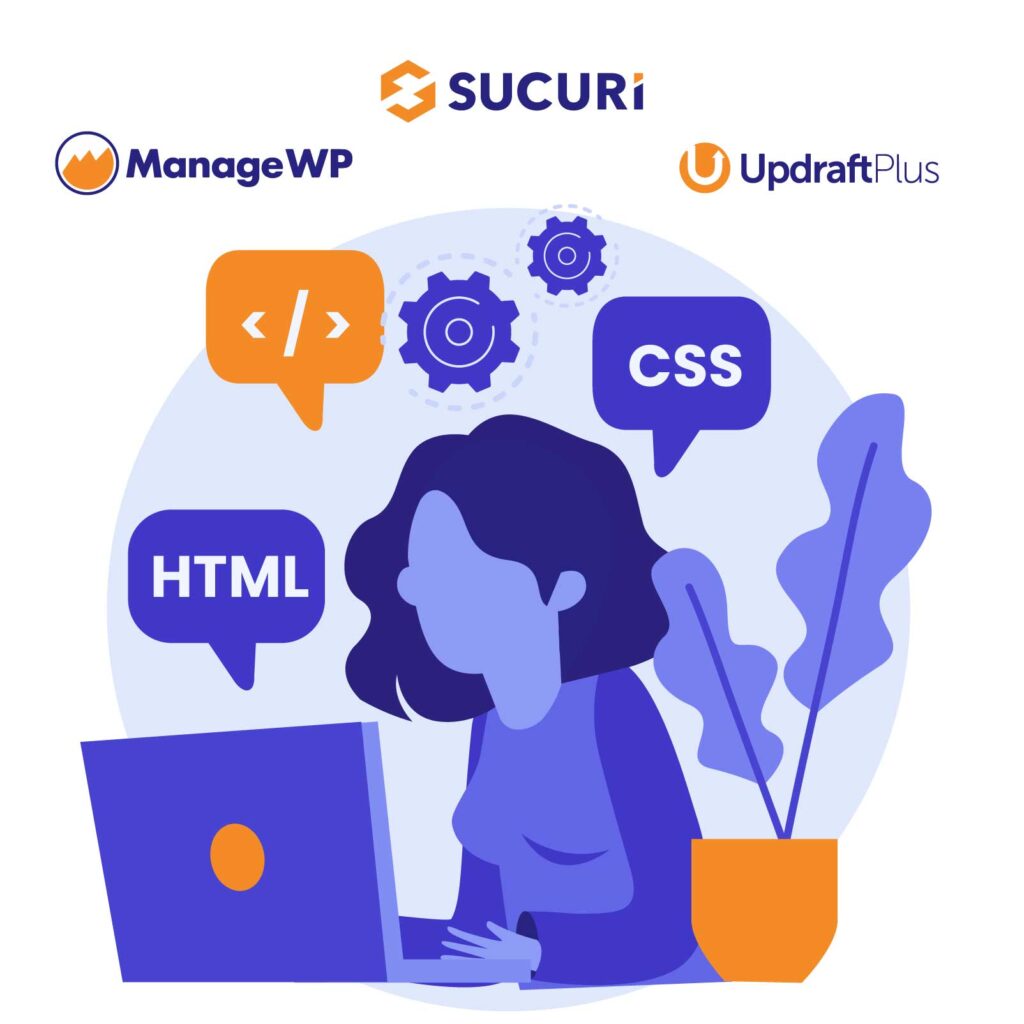
The Best Tools for WordPress Website Maintenance
When it comes to WordPress website maintenance, using the right tools can make a significant difference in managing tasks efficiently and effectively. Here are three of the best WordPress website maintenance tools:
- ManageWP
ManageWP is an all-in-one dashboard that allows agencies to manage multiple WordPress sites from a single interface. This tool is particularly beneficial for agencies that handle several client sites, as it offers features like one-click updates, automated backups, and security checks. The ability to perform bulk actions across multiple sites saves time and reduces the risk of missing important maintenance tasks. For an agency, using ManageWP simplifies WordPress website maintenance, making it easier to keep all client sites secure and up-to-date.
- Sucuri
Sucuri is a leading security plugin that provides comprehensive protection against malware, hacks, and other online threats. For agencies, maintaining the security of their websites is paramount, as any breach could result in significant reputational damage and financial loss. Sucuri offers real-time monitoring, malware scanning, and a powerful firewall to block attacks before they reach your site. By integrating Sucuri into their WordPress website maintenance routine, agencies can give their clients peace of mind by ensuring their websites are protected from a wide range of threats.
- UpdraftPlus
UpdraftPlus is a reliable and widely used backup plugin for WordPress. Regular backups are a critical part of WordPress website maintenance, as they provide a safety net in case of data loss or site corruption. UpdraftPlus allows agencies to schedule automated backups and store them in various remote locations, such as cloud storage or email. In the event of a site issue, restoring from a backup is quick and straightforward. For agencies, using UpdraftPlus ensures that their clients’ data is secure and can be easily recovered if needed.
Website as a service
Website As a Service [WAAS] provides complete website solutions including design, hosting, and maintenance through a convenient subscription model for Agencies.
Conclusion
Regular WordPress website maintenance is crucial for keeping the website secure, functional, and efficient. By staying on top of routine tasks like updates, backups, and security checks, you can prevent potential issues that could disrupt your site and harm your business.
If you’re looking for professional support to manage your WordPress website maintenance, the White Label Agency offers comprehensive services tailored to your agency’s needs. Our expertise ensures that your site stays up-to-date, secure, and optimized. This allows you to focus on your core business activities. Consider outsourcing your maintenance tasks to experienced professionals who can handle the technical details, giving you peace of mind and a well-maintained website. Contact us today to learn more about our services.